The short answer
A permit record shows an administrative event, not necessarily completed or approved construction. Match the address, project scope, drawings, revisions, inspection results and final status to the work visible at the property. Online systems may cover only part of the building's history. Treat missing information as a question for the department and records office, rather than immediate proof that the work was illegal.
US general project planning; California requirements and named local examples labeled in the text.
Start with the property identity
Record the property's current address, unit designation and parcel identifier before searching. Older records may use a different street number, an abbreviated address, a former parcel or a building name. A conversion that appears to belong to one unit may have been processed under the main building address. Ask the records office which identifiers it uses and whether older addresses need a separate search.
Write down the alterations you are investigating: a basement bathroom, occupied room, structural repair, lowered floor or changed stair. Include the approximate dates reported by the seller without treating those dates as verified. This gives a records request a useful target. Searching only the word “basement” may miss work filed under an addition, alteration or broader renovation description.
Learn what the portal actually contains
San Francisco's building permit dataset for applications filed on or after January 1, 2013 illustrates a critical limitation: a searchable public dataset can begin long after the building was constructed or altered. An empty result is not evidence that nothing was ever filed. The dataset's coverage period matters as much as the address entered.
Save the search date, identifiers used and relevant results. Ask whether the portal includes archived permits, related trade permits, inspection corrections, withdrawn applications and scanned plans. Some information may require a separate request or on-site review. Avoid describing the online result as a complete property history until the department has explained its coverage.
Read status as a stage, not a verdict
Scroll horizontally to read every column.
| Typical status concept | What it may establish | What still needs checking |
|---|---|---|
| Application submitted | A proposal entered the system | Whether plans were approved or a permit issued |
| Approved or ready to issue | Review reached a stated administrative stage | Whether issuance conditions were met |
| Issued | Authorization was issued for described work | Construction, required inspections and final status |
| Expired, inactive or withdrawn | The record has a particular administrative status | Local meaning and available resolution |
| Finaled or completed | The department recorded a completion stage | Scope covered and any separate related records |
Portal terminology varies. Ask the department to interpret unfamiliar labels, especially where an old record was migrated into a newer system. Do not assume that a blank final date means failure or that “complete” necessarily describes all work at the property.
Compare the recorded scope with the present layout
A permit for foundation work does not establish approval of a later bedroom. A permit for a bathroom may not include a changed exterior door or structural opening. Read the scope description and available drawings together, then compare them with a simple room-by-room description of the current property. Identify discrepancies without diagnosing code compliance from photographs alone.
Look for revisions, deferred submissions and separate permits referenced by the main file. Ask whether the drawing set is the approved version and whether later changes were incorporated. Where access to plans is restricted or requires an authorization process, follow that procedure. A sales listing's floor plan can help identify questions, but it does not replace the approved documents.
Ask for inspections and corrections, not just the permit cover sheet
Request the inspection history and any accessible correction or final documentation relevant to the scope. A permit number and contractor name are useful, but they do not show whether the department inspected the work before concealment or whether outstanding items were resolved. Ask which records are retained and what an older file's missing information means.
San Jose's final inspection guidance describes the importance of prior approvals and applicable final reports. The requirements are project-specific. For a past structural job, ask about required special inspection, geotechnical or professional observation records where the permit called for them. Do not infer that every repair required the same set of letters.
Use San Francisco's records tools for their stated purpose
San Francisco's building records request process provides a route beyond a basic portal search. Describe the records sought clearly and ask how address variations or older archives are handled. Keep a copy of the request and response so an unavailable record is distinguishable from a record nobody requested.
The city's Report of Residential Building Record, commonly called a 3R report, is another named local tool associated with covered residential sales. It has a defined administrative purpose and does not substitute for a physical inspection or engineering evaluation. Confirm current applicability, procedure and requirements with the city. Fees and processing times can change and should be checked directly.
Hypothetical example: a permit exists, but the bedroom question remains
Suppose a buyer finds an issued permit for basement plumbing and assumes the lower level's advertised bedroom was approved. The drawing shows a laundry area, and the portal has no readily visible final inspection. These facts leave at least two separate questions: the status of the plumbing work and whether the bedroom use was authorized.
The buyer requests the full permit file, inspection history and any later alteration records. The department explains which additional records or evaluation would address the present use. The buyer can then obtain a qualified scope and cost assessment before negotiating. Jumping directly from “there is a permit” to “the basement is legal” would have skipped the decision that actually matters.
Build a missing-information list instead of a verdict
A Reddit buyer discussion about a town questioning a listed basement reflects the anxiety caused when marketing and municipal records differ. The useful response is to isolate each gap: authorization of use, extent of permitted construction, completion status or missing documents. Those gaps may require different remedies.
Use neutral language such as “final status not yet verified” or “current room use not shown in records reviewed.” Ask the seller for additional documents and the department for the process that resolves the uncertainty. A professional can evaluate physical conditions while an appropriate adviser addresses transaction terms. Neither task should depend on an unsupported accusation.
Keep a reconciliation record for the next owner
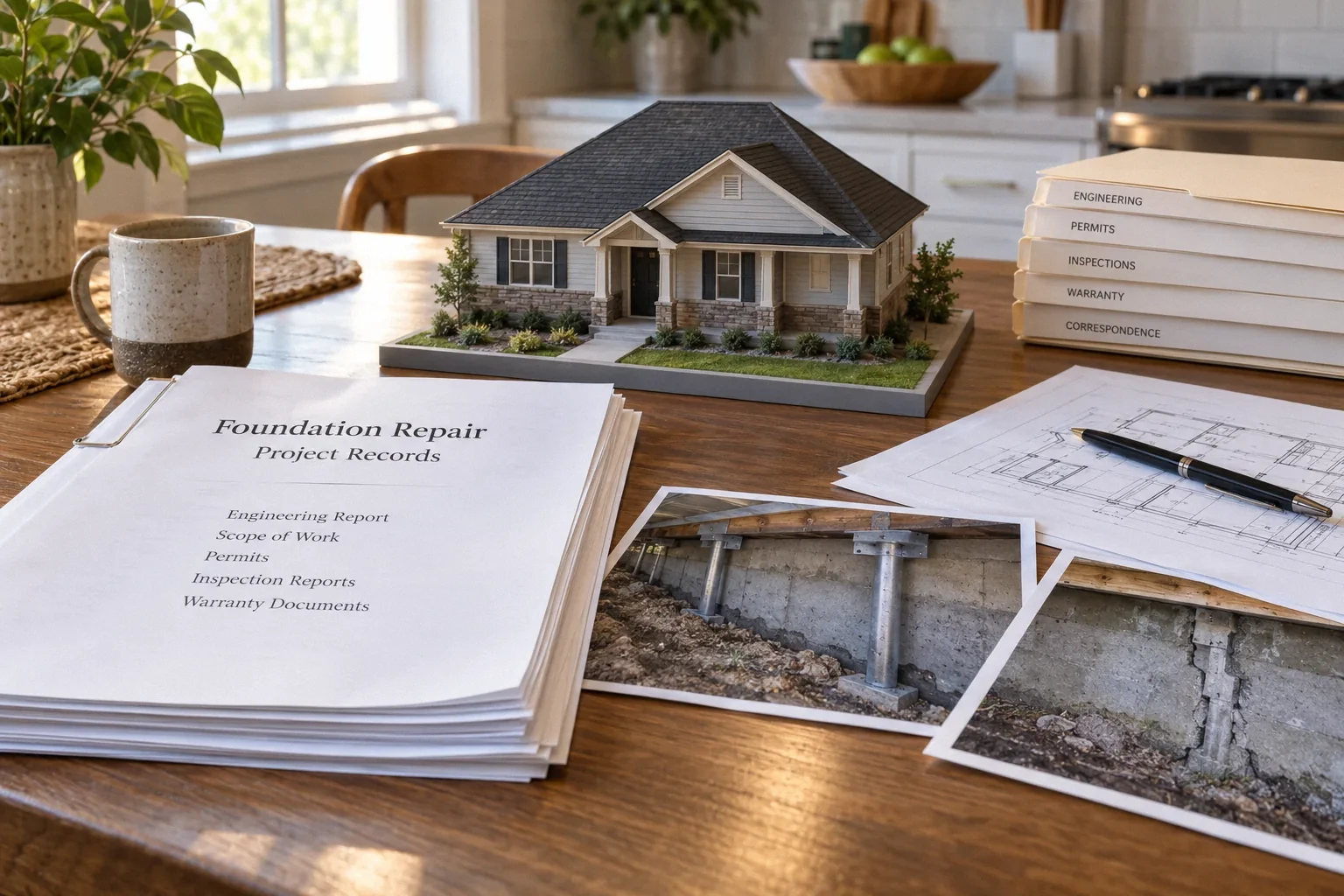
Create a chronological index listing each permit, scope, dates, related files and confirmed status. Attach the actual source records rather than only your summary. Note unresolved questions and who supplied each answer. If records conflict, retain both versions and request an explanation instead of silently choosing the more favorable one.
For ongoing work, add final inspection evidence and revised drawings as they become available. For a purchase, use the index to identify which questions must be resolved before your contractual deadlines. A clear file does not guarantee building performance, but it makes later decisions more reliable and prevents the same incomplete portal search from being repeated as if it were a definitive answer.
Before your next decision
- Identify current and historical addresses and parcel references.
- Record the portal's coverage period and search date.
- Match scope and approved revisions to the visible work.
- Request inspection, correction and final-status records.
- List unresolved gaps with the department's stated next step.
Related questions
Does an issued permit prove that work passed final inspection?
No. Issuance and final approval are different stages. Request the inspection history and ask the department to confirm the status of the specific scope.
What if the online search finds no permit?
Check address and parcel variations, the portal's coverage dates and older archives. A missing search result is a reason for further inquiry, not a complete legal conclusion.
Does a San Francisco 3R report replace a home inspection?
No. It is a building-record tool with a specific local purpose. Physical conditions and specialist questions require their own appropriate evaluations.
Sources & further reading
- San Francisco Department of Building InspectionRecords Request Form
San Francisco property/building records
- San Francisco Department of Building InspectionApplication for Report of Residential Building Record
San Francisco 3R report, Housing Code section 351(a)
- DataSF / City and County of San FranciscoBuilding Permits filed on or after January 1, 2013
San Francisco online permit dataset
- City of San JoseFinal Inspection Building Requirements
San Jose final inspection
Homeowner questions behind this article
These discussions informed the questions, not the technical answers. Some were available through indexed excerpts; votes and comments are not an engineering assessment.
- Buying a home and town pulled MLS listing and found unpermitted work!
- Paid electrician to install an EV charger and pull a permit. Months go by without contact, now electrician says we should do the permitting ourselves.