Foundation Crack Patterns: What They Can and Cannot Tell You
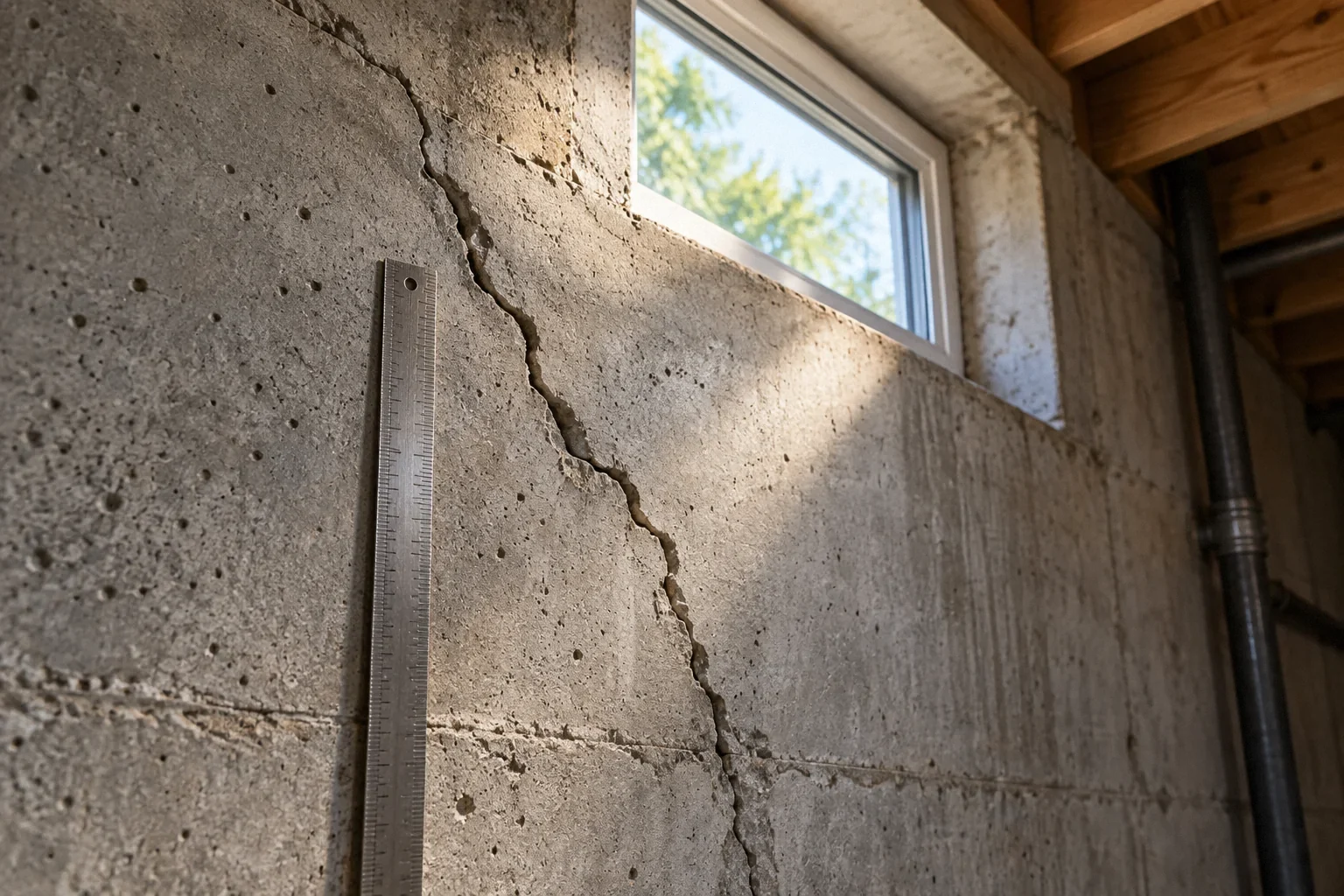
Read foundation crack patterns in context: location, displacement, movement history and related symptoms matter more than a photograph or a width alone.
Read article
THE BUILT WORLD / BELOW THE SURFACE
Better spaces start with better questions. A practical field guide to building below ground and the systems your home depends on.
THE FIELD GUIDES / 01—06
Six guides to understanding your space, planning home systems and preparing for disruption.
Start with the site, the water and the way out. A planning guide to basements and earth-sheltered spaces.
Read guide
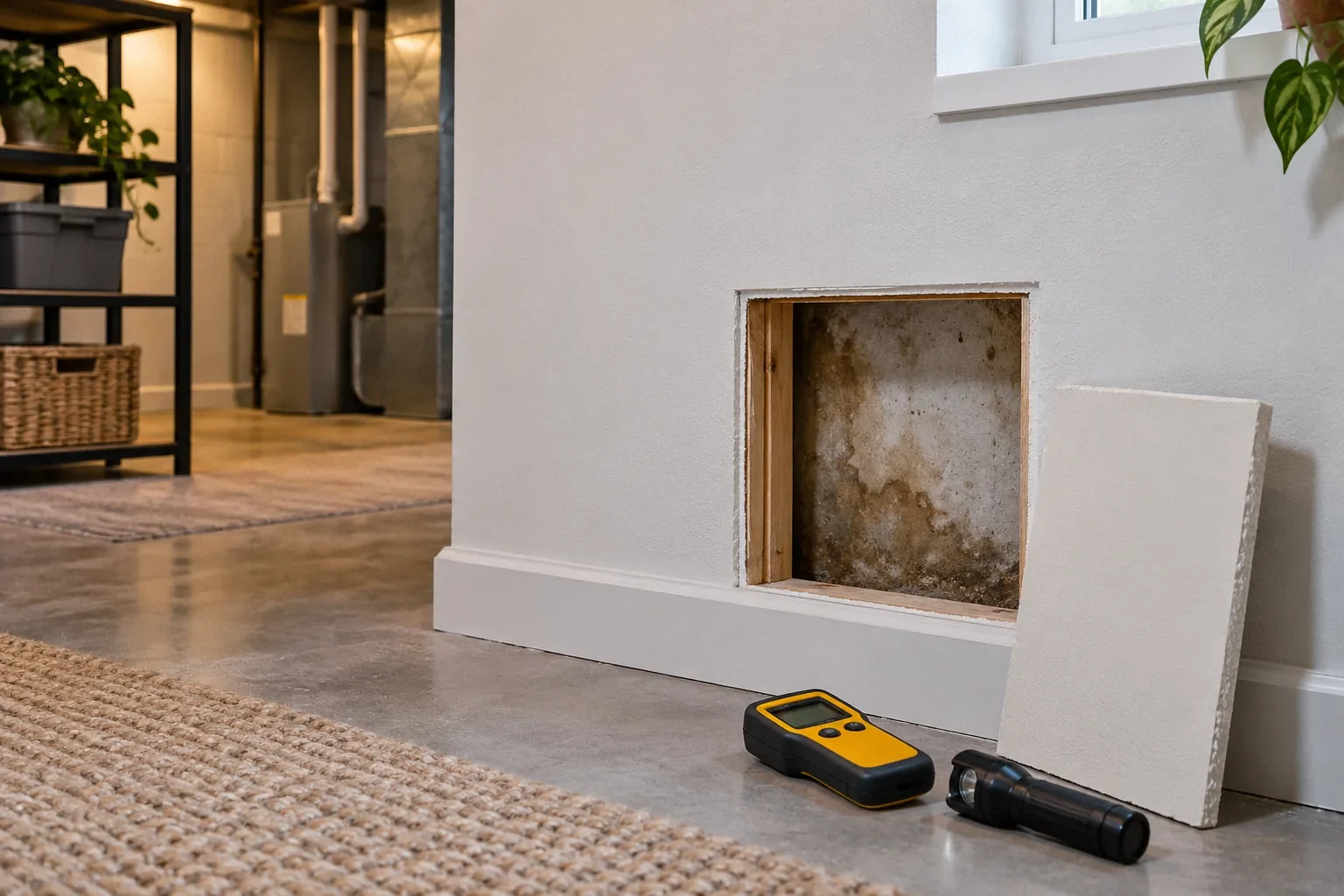
Document the pattern, investigate the water source and plan repairs before covering the walls.
Read guide
Identify essential loads, compare backup options and prepare a household plan before an outage.
Read guide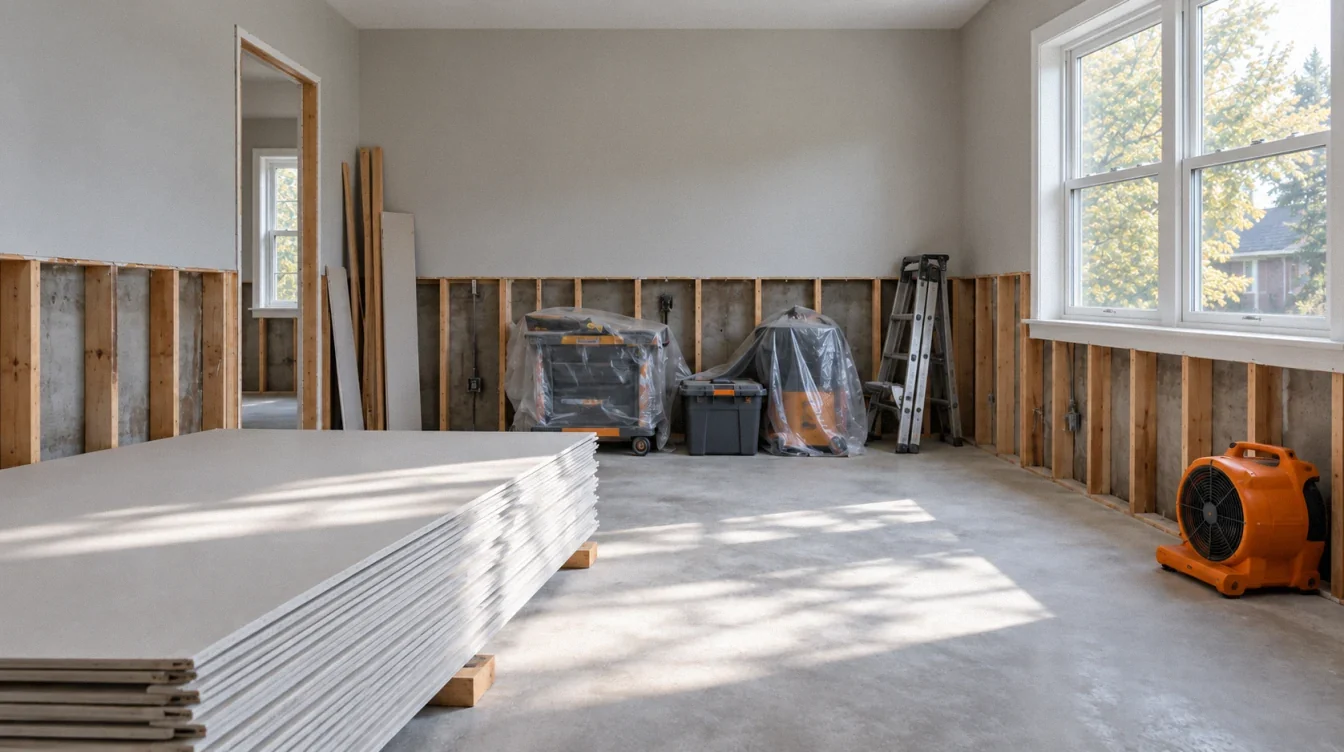
A recovery sequence: safe access, documentation, assessment, drying and rebuilding.
Read guide
Bring structure, electrical work and recovery into one written scope with clear responsibilities.
Read guide
Bring contacts, supplies, documents and evacuation decisions into a simple household checklist.
Read guideTHE HOMEOWNER LIBRARY / 100 ARTICLES
Cracks, damp spaces, contractor promises and the decisions behind a better project.
Explore the blogRead foundation crack patterns in context: location, displacement, movement history and related symptoms matter more than a photograph or a width alone.
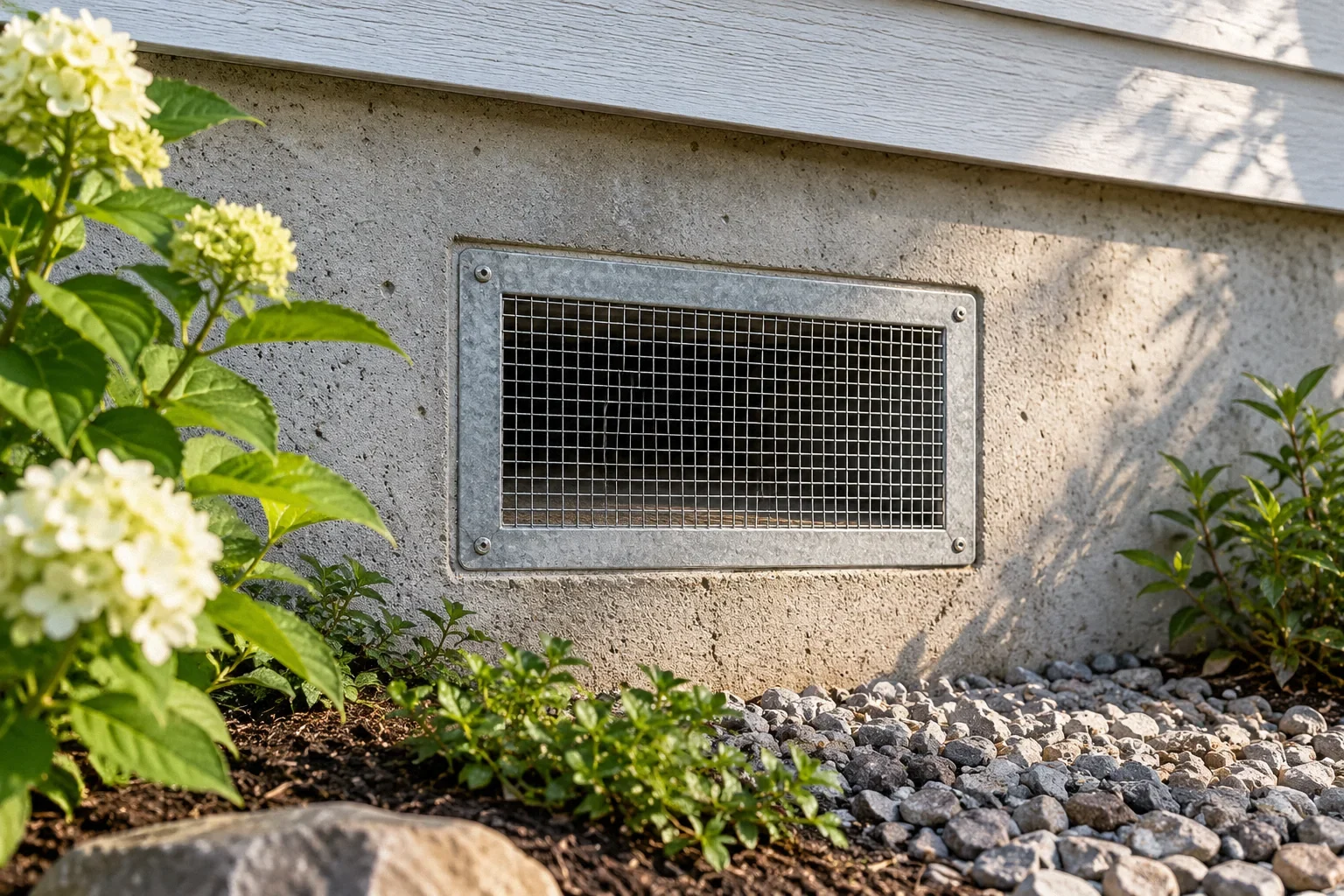
Read articleLearn when crawl space vents belong open or closed, why summer air can cause condensation, and what must change before converting to a sealed crawl space.
Read articleInvestigate fresh paint, restricted access and missing repair records during a home purchase without confusing a warning sign with proof of concealment.
Read articleSTART WITH THE QUESTION
Recurring concerns from our research, with practical answers and sources.
All questionsA photograph or crack width alone cannot establish the cause or safety of a foundation. Movement over time, displacement, bowing, changing floors or doors, water and the building's load path matter together. An independent structural assessment is useful when those signs appear, the history is unclear or a costly repair is proposed. Sudden movement, falling material or a visibly unstable area calls for keeping clear and obtaining urgent professional help.
Read the full explanationThe answer depends on the work and the jurisdiction. Structural changes, excavation, changes in use and new building systems often involve approvals and inspections. Ask the local building department about the actual scope before signing. A contractor's license, product certificate or completed payment does not establish permit approval. Obtain the permit number, approved plans, inspection requirements and final status in writing.
Read the full explanationPrevious work is a reason to investigate the records, not an automatic reason to buy or walk away. Obtain the diagnosis, engineer's scope, permit and inspection records, installation documentation and warranty terms. Compare them with the current condition. A transferable warranty does not prove the cause was resolved or cover every future symptom. An independent specialist can identify remaining uncertainty before your purchase deadline.
Read the full explanationDifferent quotes may diagnose different problems, stabilize different areas or include different restoration work. Put the proposed cause, repair objective, locations, quantities, engineering, permits, testing and exclusions side by side. A lower total is not necessarily a smaller price for the same work. If one bid proposes extensive piers and another proposes drainage alone, resolve the diagnosis before comparing financing or warranty language.
Read the full explanationA repair may address one entry path while another remains, or collect water without removing its source. Record where water first appears, its timing relative to rain or plumbing use, and the operation of drains and pumps. Check roof runoff and exterior conditions safely. Groundwater, surface water, plumbing leaks, sewer backup and condensation require different investigations. Do not choose another coating or system only from the location of the final puddle.
Read the full explanationAn ordinary basement can be a better available refuge under public tornado guidance, but that does not make it an engineered safe room. A safe room relies on the entire enclosure, its openings, connections and foundation for its intended hazard. Windows, partial exposure, heavy objects above, flooding and access change the situation. Plan a household refuge now and evaluate any proposed safe-room conversion as a complete design.
Read the full explanationA HOME IS MORE THAN ITS WALLS
Look at the whole space before focusing on a single fix.
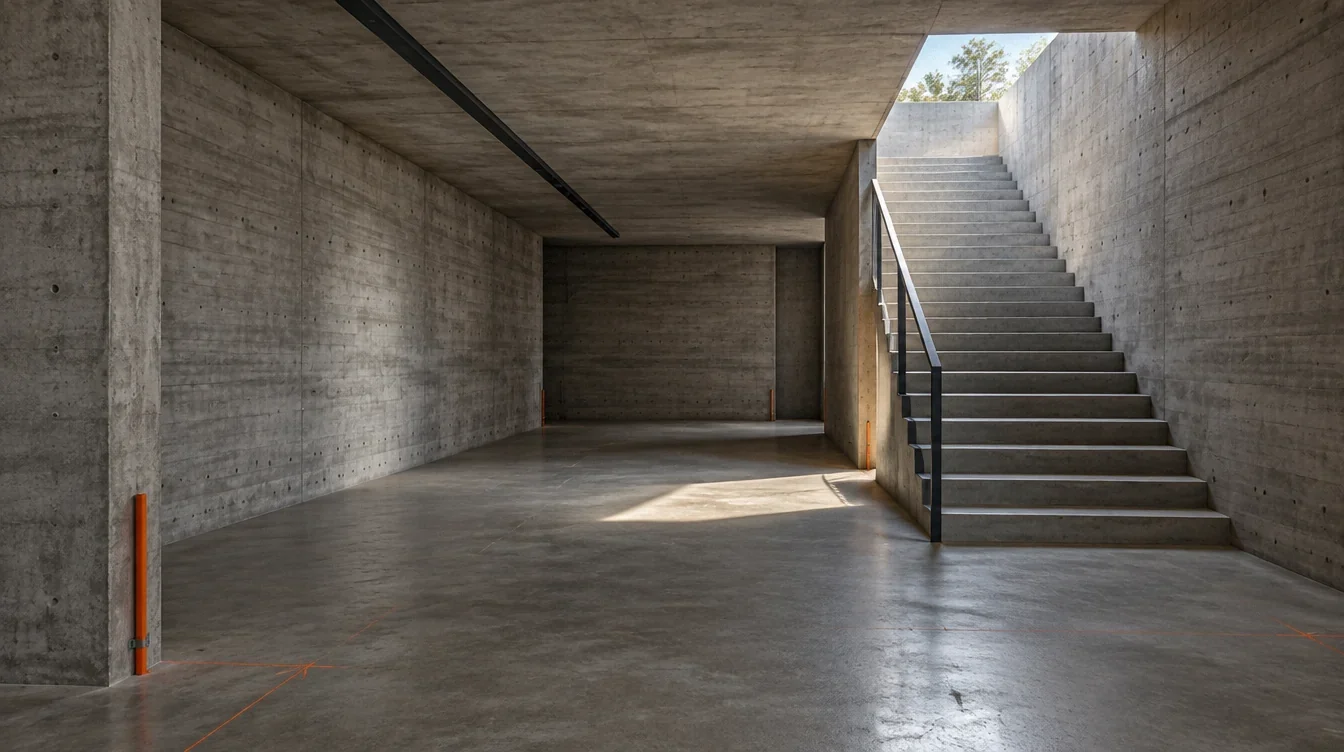
01 / Water
Record when and where moisture appears before choosing a repair. A useful record helps a professional investigate the cause.
Read the guide02 / Air
Include ventilation and indoor conditions in the project brief. The ground, the structure and the intended use all matter.
Read the guide03 / Power
List essential equipment and the people who rely on it. Use that list to begin a conversation about backup power.
Read the guide04 / Access
Put access, intended use and emergency planning into the brief before deciding on a layout. Bring those questions to the design team.
Read the guidePUT THE GUIDES TO USE
Record a moisture pattern, list what needs power or make a household plan. Start with the guide that answers your next question.
Browse the field guidesAN OLDER WEB, PRESERVED
Human Underground began as an eclectic early-web publication. Its historical collection remains separate from these new guides, with dates and context for readers following an older reference.
Explore the historical collectionGoogle Analytics is off. Enable optional page-view and contact-click measurement, or keep it off.
Privacy details