The short answer
A storm shelter needs the approvals and verification that apply to its location and design. FEMA guidance, a third-party product listing, a building permit, installation inspections and a rescue registry are different records. None automatically substitutes for the others. Ask the local building department and responsible designer what applies before ordering, then agree on the documents you will receive at handover.
US shelter planning. Local examples are identified; permitting, standards and emergency programs vary by jurisdiction.
Make a list of the claims you are being asked to trust
A sales package may contain a certification logo, a reference to FEMA, a photograph of testing and a promise that the installer handles the permit. These items can be relevant, but they answer different questions. Start by writing down each claim and the evidence that is supposed to support it.
Ask whether the evidence covers the exact product, the proposed configuration, the site foundation or the completed installation. A document can be authentic and still answer a different question from the one you need resolved. Organizing the claims this way prevents a homeowner from collecting impressive paperwork while the connection between the product and the actual property remains unclear.
FEMA guidance is not a vendor certification
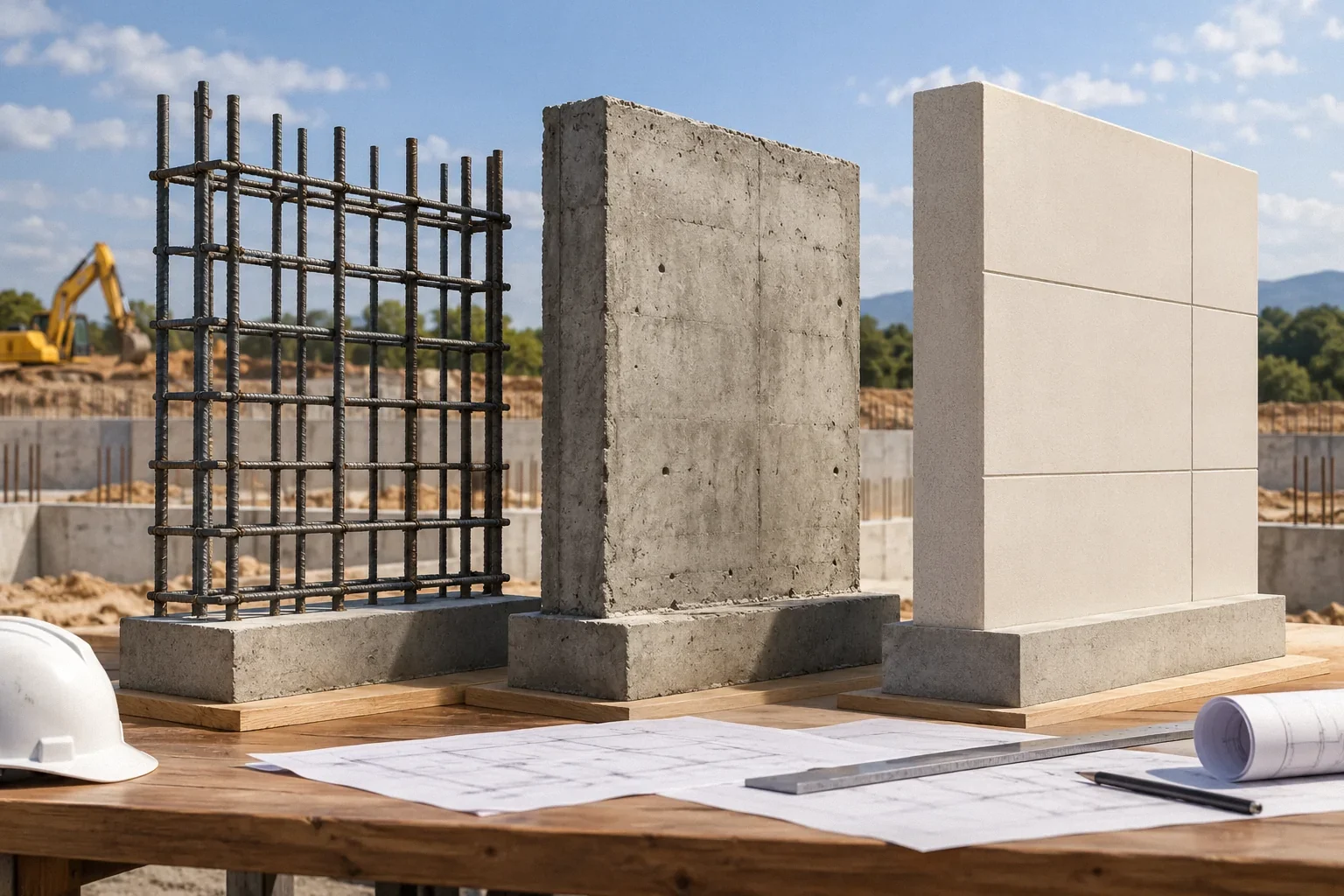
FEMA: FEMA P-361: Safe Rooms for Tornadoes and Hurricanes (April 2025) explains safe-room criteria and makes clear that FEMA is not a product-testing agency certifying manufacturers' products. References to FEMA guidance should identify what the design claims to satisfy and how that claim is demonstrated.
The distinction does not mean every product using the word FEMA is defective. It means the homeowner should ask for the actual design basis and supporting records rather than treat the agency's name as an approval stamp. Also distinguish FEMA guidance from the applicable storm-shelter standard, local code adoption and any funding conditions. Their roles and editions should be identified by the responsible project team instead of blurred into a single marketing phrase.
Contact the local authority with a real project description
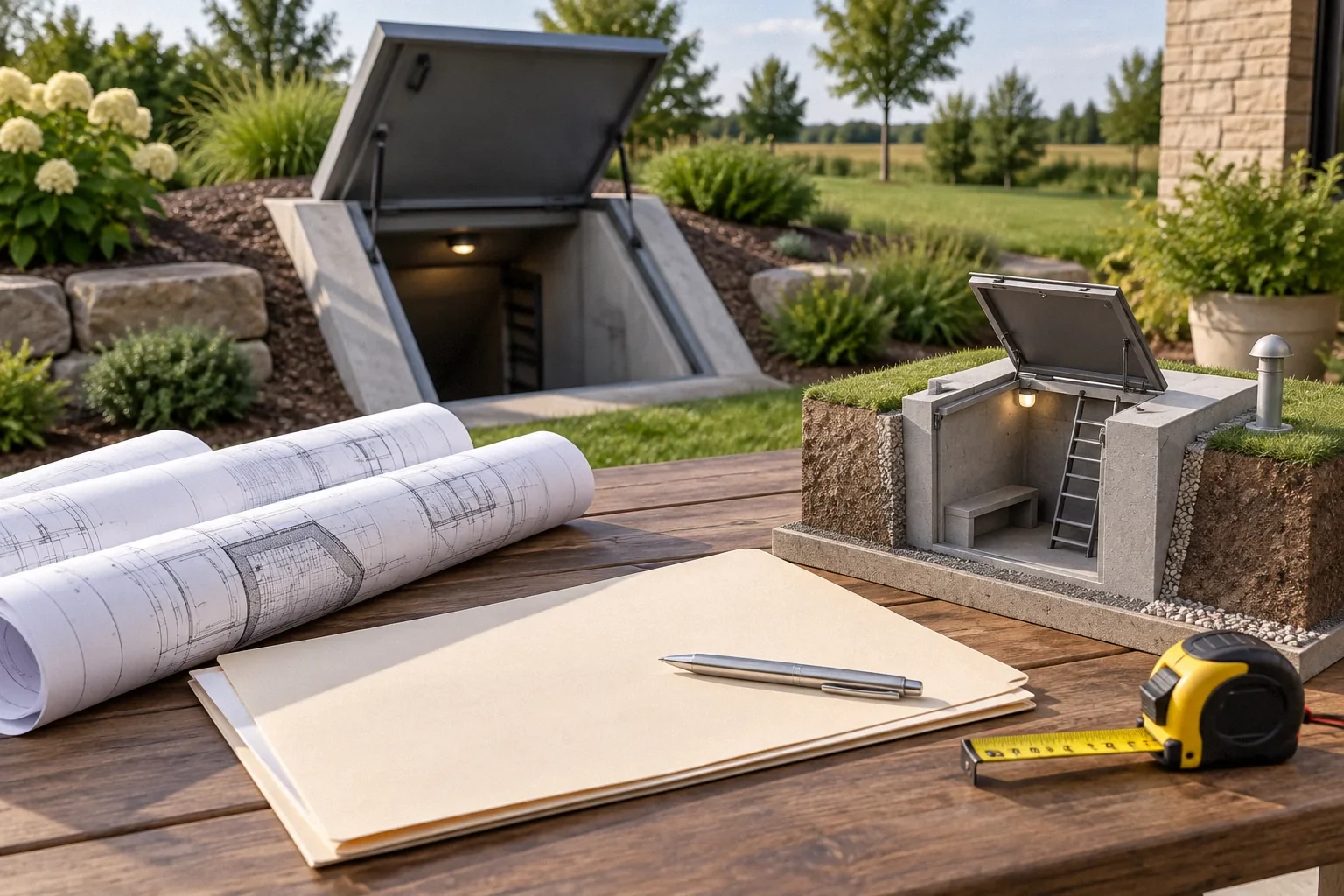
Tell the building department whether the proposal is a new enclosure, a basement conversion, an above-ground installation or an underground unit. Include the intended use and any related electrical, mechanical or site work. Ask which submissions, reviews and inspections apply.
The City of Moore: Storm Shelter Permit Application is one example of a dedicated shelter permit process, specific to Moore, Oklahoma. It should not be copied as the process or fee for a California property or another city. Local departments may require different documents and professional involvement. Obtain the answer for the address and scope, and keep the relevant written instructions with the project record. An installer saying that no permit is needed should be able to explain the basis for that statement.
Match product evidence to the items actually supplied
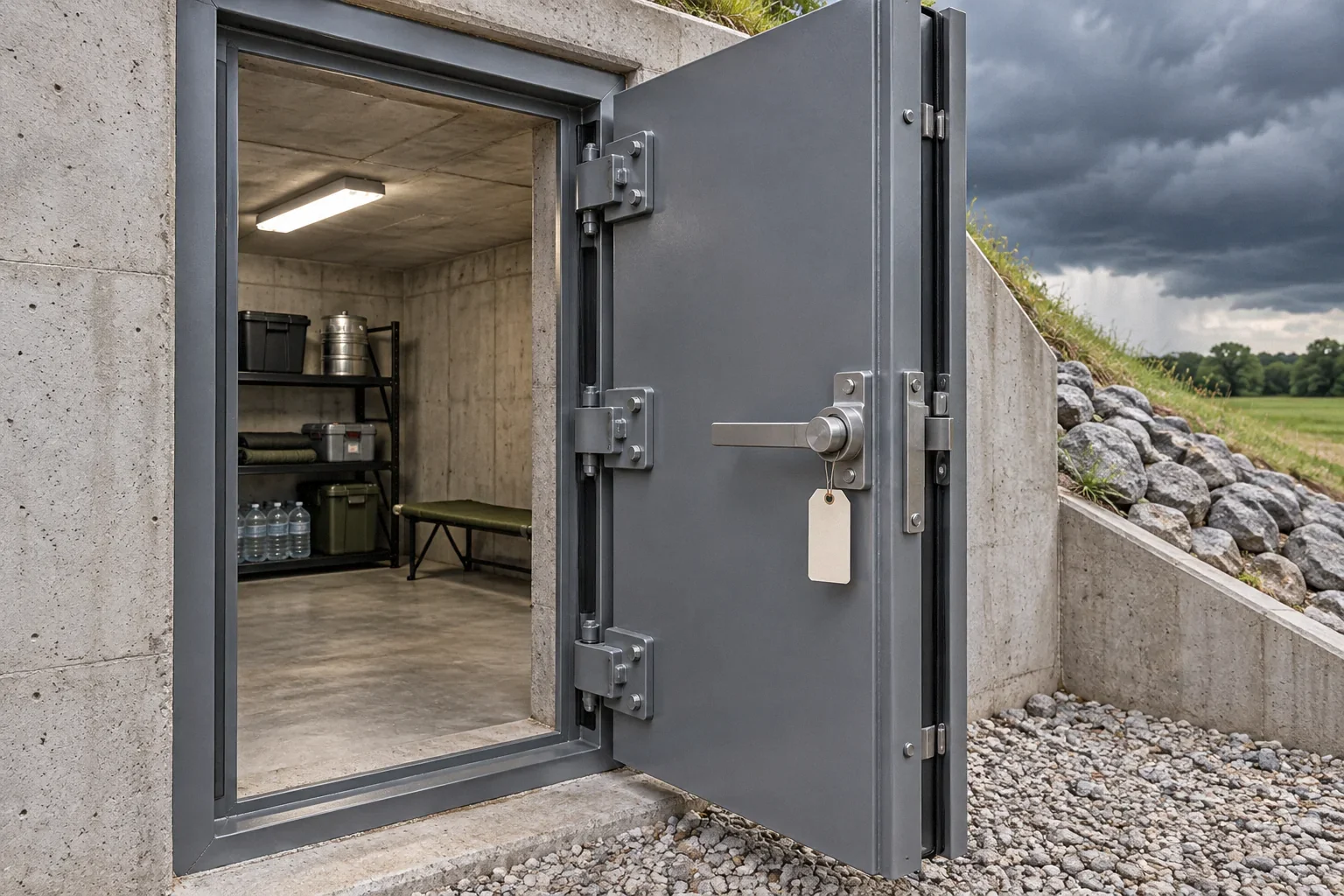
For doors, the FEMA: Residential Tornado Safe Room Doors calls attention to third-party certification labeling and matching hardware. This is product evidence, not a substitute for checking the surrounding construction or installation. Record the actual model and identifying information.
Ask which other components have specific documentation and what installation conditions apply. If a product or configuration changes after approval, identify who reviews the substitution. A certificate for a similar model or a sample installation is not automatically transferable. The closeout package should connect supplied components to the approved documents, including any accepted revisions, rather than leave the homeowner to guess which version of the project was built.
Plan installation inspections before concealment
FEMA: Foundation and Anchoring Criteria for Safe Rooms discusses foundation and anchorage criteria and the importance of verifying work on existing slabs. Confirm with the project team what inspections and observations are required for the current design, including any specialist involvement.
Create a simple sequence of hold points: what has to be ready, who must attend, what remains visible and who records the result. Do not assume that one final visit can verify every concealed detail. If work proceeds past an inspection point, ask the responsible authority how it will be resolved. The solution may require additional evidence or opening work; a photograph taken after everything is covered does not necessarily answer the missing question.
Keep approval, completion and rescue registration distinct
Scroll horizontally to read every column.
| Record | Primary question |
|---|---|
| Product listing or certification | What performance and conditions apply to this component or assembly? |
| Approved project documents | What construction and site arrangement has been accepted? |
| Inspection records | What installation work was observed or accepted under the process? |
| Rescue registry | Where is the shelter so responders can locate it? |
The Oklahoma City: Storm Shelter Registry illustrates the last purpose through an Oklahoma City program. Registration does not certify construction or guarantee immediate rescue. Likewise, contractual payment and municipal approval are different matters. Keep the records separately identifiable so a future owner or professional can understand what each one establishes and what remains outside its scope.
A hypothetical permit promise needs clarification
A homeowner signs for a shelter after the salesperson says the company will handle the paperwork. Near installation, the homeowner receives a link to a city portal and learns that the quoted package did not include application preparation or an inspection appointment. No one has confirmed the foundation documentation required.
The practical response is to pause the unresolved sequence and establish responsibilities, not to assume that delivery makes the permit unnecessary. The parties need a written scope and an approved path through the local process. This hypothetical illustrates a coordination failure without assigning legal liability. If a contract dispute exists, the owner's rights depend on the agreement, facts and applicable law and deserve qualified advice.
Define the handover package before the last payment milestone
Ask for the permit identifier and final status, approved drawings and changes, relevant engineering information, product documentation, installation inspection records and operating instructions. Include a clear list of unresolved items rather than treating missing paperwork as a minor administrative issue.
Store a digital backup and retain the product identifiers needed for maintenance. A future repair, sale or shelter reassessment should not depend on finding a former employee who remembers the job. Accurate records also prevent the next owner from overstating the shelter's protection. The useful finished claim is specific: what was built, under which documents, for which hazard and with which verified installation conditions.
Check the description attached to each approval. A permit for electrical work near the shelter does not by itself document review of its structural installation. Likewise, a product delivery receipt cannot stand in for an inspection record. If the documents describe different scopes, ask the contractor and local authority to reconcile them before describing the entire project as approved.
Before your next decision
- Identify the jurisdiction and describe the actual scope.
- Separate FEMA criteria, product evidence and local approval.
- Assign responsibility for submissions and inspections.
- Resolve substitutions and concealed-work hold points.
- Collect final status, approved changes and operating records.
Related questions
Does “FEMA approved” replace a building permit?
No. FEMA does not certify a vendor's product, and local permitting is a separate project process.
Can I register a shelter after it is installed?
Check the local program. Registration procedures vary and should not be confused with permits or required installation inspections.
What if the installer changes an approved detail?
Have the responsible designer and authority determine the required review and documentation before treating the change as accepted.
Sources & further reading
- FEMAFEMA P-361: Safe Rooms for Tornadoes and Hurricanes (April 2025)
US guidance; distinguish local adoption and FEMA funding criteria
- FEMAResidential Tornado Safe Room Doors
US residential storm shelter door guidance
- FEMAFoundation and Anchoring Criteria for Safe Rooms
2021 guidance; confirm project standard edition
- City of MooreStorm Shelter Permit Application
Moore, Oklahoma example only; verify current fees/process
- Oklahoma CityStorm Shelter Registry
City-specific program example
Homeowner questions behind this article
These discussions informed the questions, not the technical answers. Some were available through indexed excerpts; votes and comments are not an engineering assessment.
- OK - Permit Question
- New house - some questions about including and underground safe room/fallout shelter.
- Looking for recommendations for a storm shelter.