At a glance
Make an essential-load list before comparing equipment. A product’s headline capacity does not describe your household’s complete plan.
Write down the essentials
List refrigeration, communications, selected lighting and any equipment that protects the home, such as a sump pump. For each item, record the model, where it is connected and how long you want it available. Ask an electrician to assess starting requirements and the proposed combination of loads.
If someone depends on powered medical equipment, make an outage plan with their healthcare provider and equipment supplier. Include an alternative location and a way to reach it. Household backup equipment should not be the only contingency.
Compare complete systems
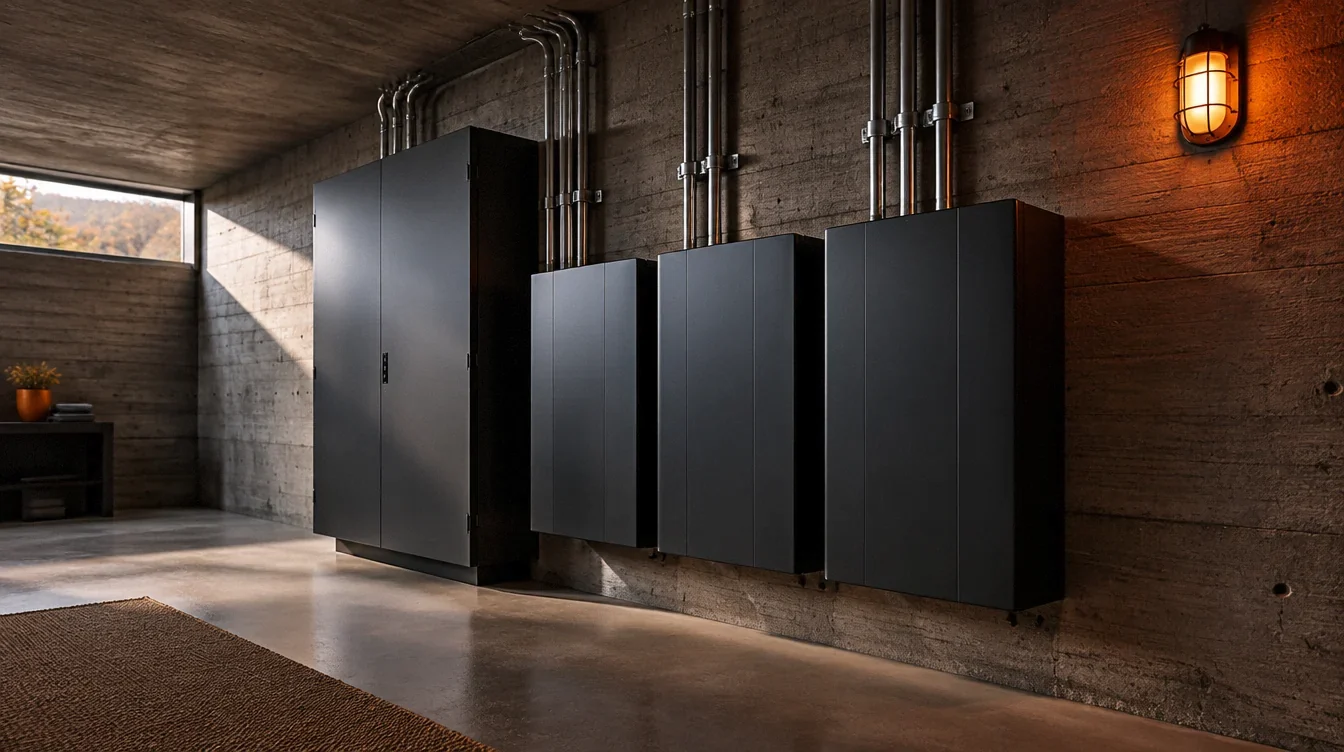
Use the same list when discussing portable battery equipment, a permanently installed battery system or a generator. Ask the installer to explain expected operation, limitations, recharge or fuel arrangements, maintenance and which circuits will be supplied.
Have a qualified electrician design any connection to home wiring and identify required permits and utility coordination. Do not improvise a connection through a wall outlet. Keep a written operating plan with the equipment documentation.
Keep combustion equipment outside
The CDC says portable generators must operate outdoors, more than 20 feet from windows, doors and vents. A garage or basement is not a safe operating location, even with doors open. Use battery-powered or battery-backup carbon monoxide detectors in the home.
Include generator location in the planning stage; a small yard can affect the available options. Follow the equipment instructions and ask the installer to resolve placement and connection questions before the first outage.
Rehearse the household response
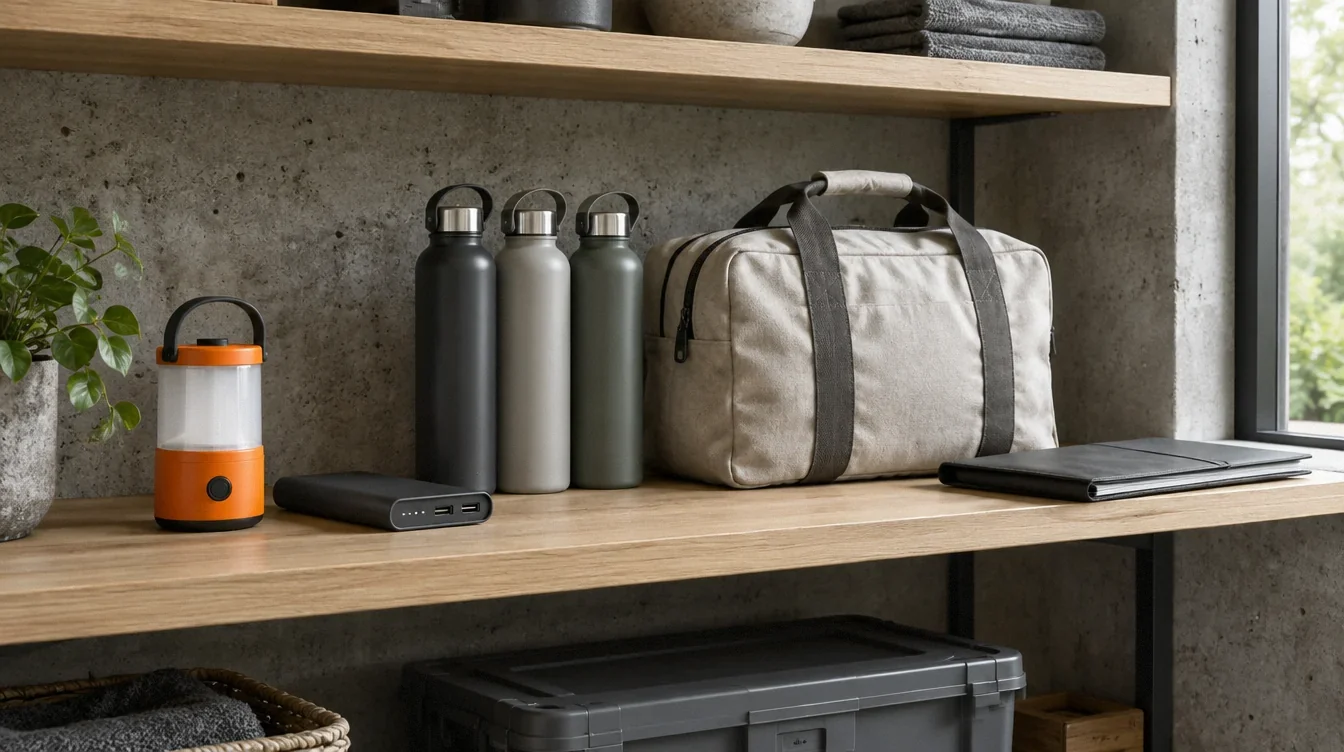
Keep charged lights and phone power banks accessible. Write down who checks alerts, where important documents are kept and who needs assistance. Review the plan when equipment or household needs change.
Our household checklist covers the people and supplies side. Use the project brief for work that needs a contractor.