The short answer
Read the actual payment trigger, then compare it with the work performed, materials delivered and records required for that milestone. Final inspection, substantial completion and punch-list completion are different events unless the agreement connects them. For covered California home improvement work, payment and downpayment rules also apply. Use the appropriate lien releases and reconcile approved changes. Avoid assuming either that every final invoice is immediately due or that all payment can always be withheld.
US general project planning; California requirements and named local examples labeled in the text.
Start with the clause, not a customary percentage
“We always collect at completion” and “everyone holds ten percent” are descriptions of habits, not a complete answer to a payment dispute. Find the signed schedule and the defined event attached to the invoice. Check incorporated documents and approved changes that may have altered the amount or trigger.
A homeowner facing a final invoice before several inspections asked what was normal. The useful next question was what the parties had agreed, alongside applicable law. A well-written schedule prevents that uncertainty by describing the work and evidence for each payment instead of relying on a single undefined word such as “finished.”
Separate the four events often called completion
Scroll horizontally to read every column.
| Event | What it establishes |
|---|---|
| Physical work completed | The contractor reports that a defined scope has been installed. |
| Substantial completion | A contractual concept whose definition must be read in the agreement. |
| Final inspection | The applicable department records its final review of the permitted work. |
| Contract closeout | Remaining deliverables and agreed correction items have been addressed. |
These events can overlap, but they are not interchangeable. If the payment schedule refers to one, do not silently substitute another. Resolve ambiguity through a written agreement or appropriate advice rather than inventing a payment term after the dispute begins.
Design milestones around observable work
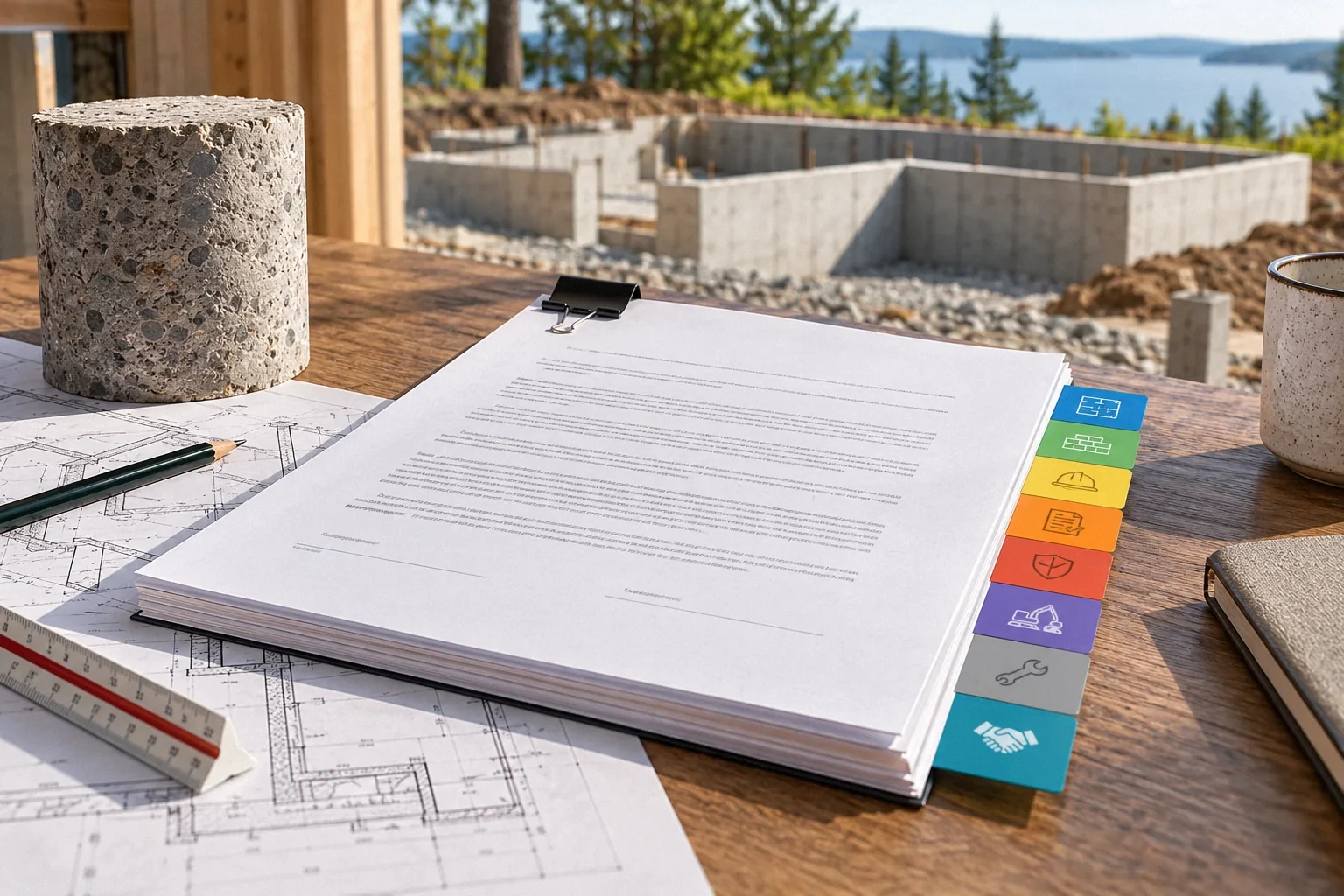
A useful progress milestone identifies a phase and the work or delivered materials associated with it. The owner should be able to compare the invoice with a described scope without independently certifying structural adequacy. Relevant inspection or professional records can provide supporting evidence where required.
The current California home improvement contract statute, checked October 3, 2026, requires covered payment schedules to describe phases and amounts. Its standard contract language addresses payment for completed work and delivered materials, with a downpayment allowed. Applicable exceptions and separate contract categories matter. Do not apply the rules for one covered residential agreement to every construction transaction nationwide.
Understand the downpayment rule before purchasing starts
For standard covered California home improvement contracts, the familiar downpayment limit is the smaller of $1,000 or 10% of the contract price. That rule should be considered within the applicable statutory framework, including referenced exemptions. A demand based only on the contractor's preferred percentage deserves clarification before payment.
Do not confuse the downpayment with later earned progress payments or delivered material charges. If special materials are involved, ask how procurement, delivery and payment will be handled consistently with the law and agreement. The customer's desire to secure a start date does not make an unclear payment structure safer. Resolve the structure before funds are transferred, when both parties can still adjust their proposed arrangement.
Inspect the evidence behind the milestone
For a particular invoice, ask which phase is being billed and what remains within that phase. Compare approved change orders, delivery records and relevant inspection results. If a required report is pending, identify whether it is a condition of the payment milestone or another closeout obligation. The distinction affects how the parties should resolve the missing item.
San Jose's final inspection guidance describes checking approvals and collecting relevant special-inspection, soils and structural-observation letters. This local example shows why an apparently complete installation can still need documentation. It does not establish that every contractor on every project must wait for the entire property's final approval before receiving an otherwise earned payment.
Use the right release for the payment status
CSLB distinguishes conditional and unconditional lien releases for both progress and final payments. A conditional release is designed for an expected payment and becomes effective under its payment conditions. An unconditional release asserts that the relevant payment has been received. Do not ask a party to certify a payment fact that is untrue.
Also identify the relevant claimants. A release from the prime contractor does not itself establish payment to every supplier or subcontractor. Maintain the applicable claimant list and notices, and use the correct statutory forms with appropriate advice when needed. An invoice marked paid and a lien release answer related but different questions.
Check the scope and payment period stated on each release against the payment being made. Identify exceptions, disputed extras or other reserved amounts rather than assuming the document releases everything associated with the property. Retain evidence that the payment actually occurred. If a form or proposed alteration is unfamiliar, resolve it before signing instead of editing statutory language casually.
A hypothetical late final inspection
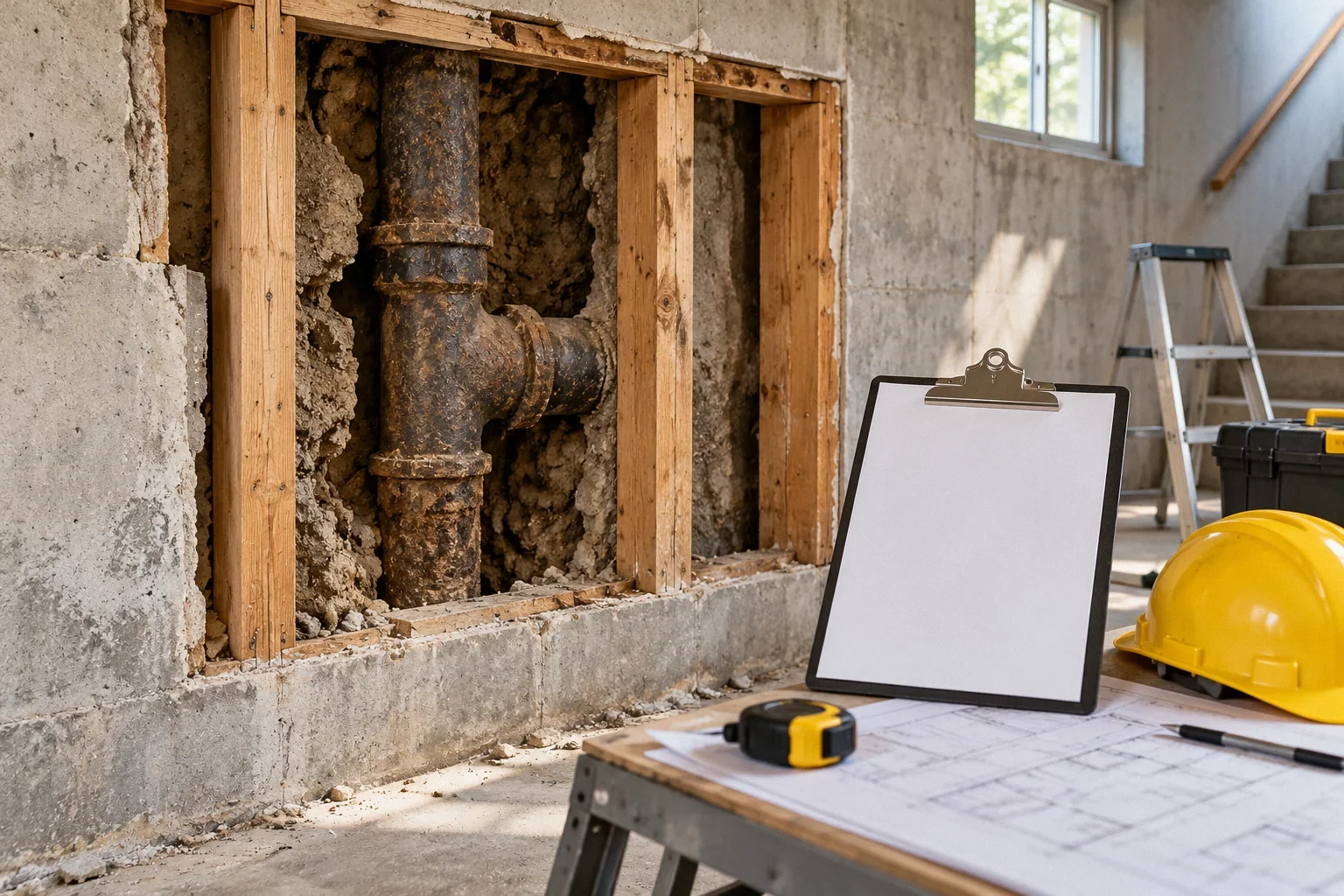
Suppose a basement contract states that a named final installment is due after the department's final approval and delivery of listed records. Installation is complete, but the appointment is still pending. The invoice should be reviewed against that agreed trigger; physical completion alone does not rewrite it. The parties can discuss a mutually agreed adjustment if appropriate, but should document any change.
Now suppose a separate subcontract agreement ties payment to completion of that subcontractor's defined scope, while the overall remodel will continue for months. That is a different arrangement. Treating the property's final approval as an automatic payment condition could impose a term the parties never adopted. The example explains why a universal “never pay before final” rule is unreliable.
Reconcile the numbers before arguing about timing
Create a simple ledger: original contract amount, each approved addition or credit, revised total, payments made and balance claimed. Link each payment to its invoice and applicable release. Identify pending or disputed changes separately so they do not silently become part of the approved total.
If the invoice differs, ask whether the discrepancy is an arithmetic error, an unapproved extra, an allowance reconciliation or a timing question. Those are different disputes with different evidence. Keep a clear record of amounts the parties agree on and the reason for any remaining disagreement. Do not rely on a rounded memory of “about half paid” when exact records are available.
Handle disputed payment without creating a second dispute
State the specific deficiency or unresolved contractual question in writing, provide supporting documents and request a response. Arrange reasonable access for legitimate correction or verification. If the contractor contests the owner's position, obtain qualified advice about the agreement, applicable payment law and possible lien consequences before taking a broad withholding position.
Likewise, do not release money solely because of threats or a claim that another project needs funding. The payment decision should follow the documented obligation. A written resolution can set the outstanding work, required evidence, responsible party and payment event. Avoid signing a broad release of claims simply because it appears alongside a routine invoice or closeout form; understand what the document actually changes.
Before your next decision
- Read the exact invoice milestone and approved changes.
- Reconcile contract total, paid amounts and balance.
- Check relevant work, delivery and inspection evidence.
- Collect appropriate claimant releases using accurate payment facts.
- Document disputed items and seek advice before broad withholding or claim releases.
Related questions
Is a ten-percent holdback always allowed?
No universal percentage applies to every private residential agreement. Read the contract and applicable law. If a holdback is being negotiated, define its purpose, amount and release trigger clearly.
Does paying the general contractor protect me from every lien?
No. Unpaid subcontractors or suppliers may have separate rights. California's official release guidance explains why claimant-specific documentation and the correct forms matter.
Should I sign an unconditional release before the payment clears?
An unconditional release represents receipt of payment. Do not sign a statement that misstates the facts. Use the appropriate form and seek advice if the proposed exchange is unclear.
Sources & further reading
- California LegislatureBusiness and Professions Code section 7159
California statutory home improvement contracts; amended by Stats. 2025 ch.585, effective January 1, 2026
- CSLBConditional and Unconditional Waiver and Release Forms
California lien releases
- City of San JoseFinal Inspection Building Requirements
San Jose final inspection
Homeowner questions behind this article
These discussions informed the questions, not the technical answers. Some were available through indexed excerpts; votes and comments are not an engineering assessment.
- Contractor asking for final installment before final inspections
- Contractor abandoned our ADU project after being paid over contract amount, license appears expired and not his, CA advice needed