The short answer
A useful punch list identifies a specific condition, its location, the requirement it should meet and a practical way to verify correction. Separate safety or code concerns from incomplete scope, functional problems and finish disagreements. A passed building inspection does not answer every contractual quality question, and dissatisfaction does not automatically justify withholding every payment. Use the list to narrow the issue and obtain a documented response.
US general project planning; California requirements and named local examples labeled in the text.
Explain what kind of concern you are raising
“The work is unacceptable” leaves a contractor guessing whether the owner means unsafe construction, a missing item, a malfunction or an uneven paint finish. Begin with the observation and classify it. The classification determines who should review it and what evidence is useful.
A missing promised handover document is different from a technical question about an installed component. A finish mismatch may be visible without proving a code violation. A suspected structural issue needs appropriate professional assessment, not a homeowner's aesthetic judgment. These distinctions help a contractor address reasonable corrections and prevent serious concerns from disappearing among minor touchups.
Do not treat one inspection as every kind of acceptance
The building department reviews work within its authority and inspection process. An engineer may observe a defined structural scope. The homeowner reviews the contractual result and daily functionality. These activities can inform each other, but their purposes and limits differ.
San Jose's final inspection requirements describe final approvals and relevant documentation. They do not promise that every finish preference or contractual obligation has been checked. Conversely, a private reviewer disagreeing with a completed project should provide a clear finding, not merely invoke the word “inspection.” Ask which requirement was evaluated, what was observed and what corrective action is recommended.
Tie the issue to a reviewable reference
For each item, identify the contract description, drawing, product instruction, selected sample or other agreed reference. Include a dated photograph showing context and a close-up when useful. State the observable condition in ordinary language. Avoid diagnosing a hidden failure from a picture when further assessment is needed.
California's home improvement contract framework makes the written project description and incorporated documents important to the agreed work. A punch list should use that baseline rather than introduce a new finish standard at the end. If the agreement is ambiguous, record the ambiguity and seek a reasonable written resolution instead of claiming an unrecorded preference was unquestionably included.
Use an issue register with a verification column
Scroll horizontally to read every column.
| Field | Purpose |
|---|---|
| Identifier and location | Lets everyone discuss the same item without confusion. |
| Observation | States what is visible, missing or not functioning. |
| Reference | Connects the concern to the agreement or relevant requirement. |
| Response | Records acceptance, proposed correction or a reasoned disagreement. |
| Responsible person and date | Shows who will act and when access is needed. |
| Verification | Defines the evidence needed to close the item. |
Do not delete an item merely because a worker says it is done. Change its status after the agreed verification, while preserving the earlier record.
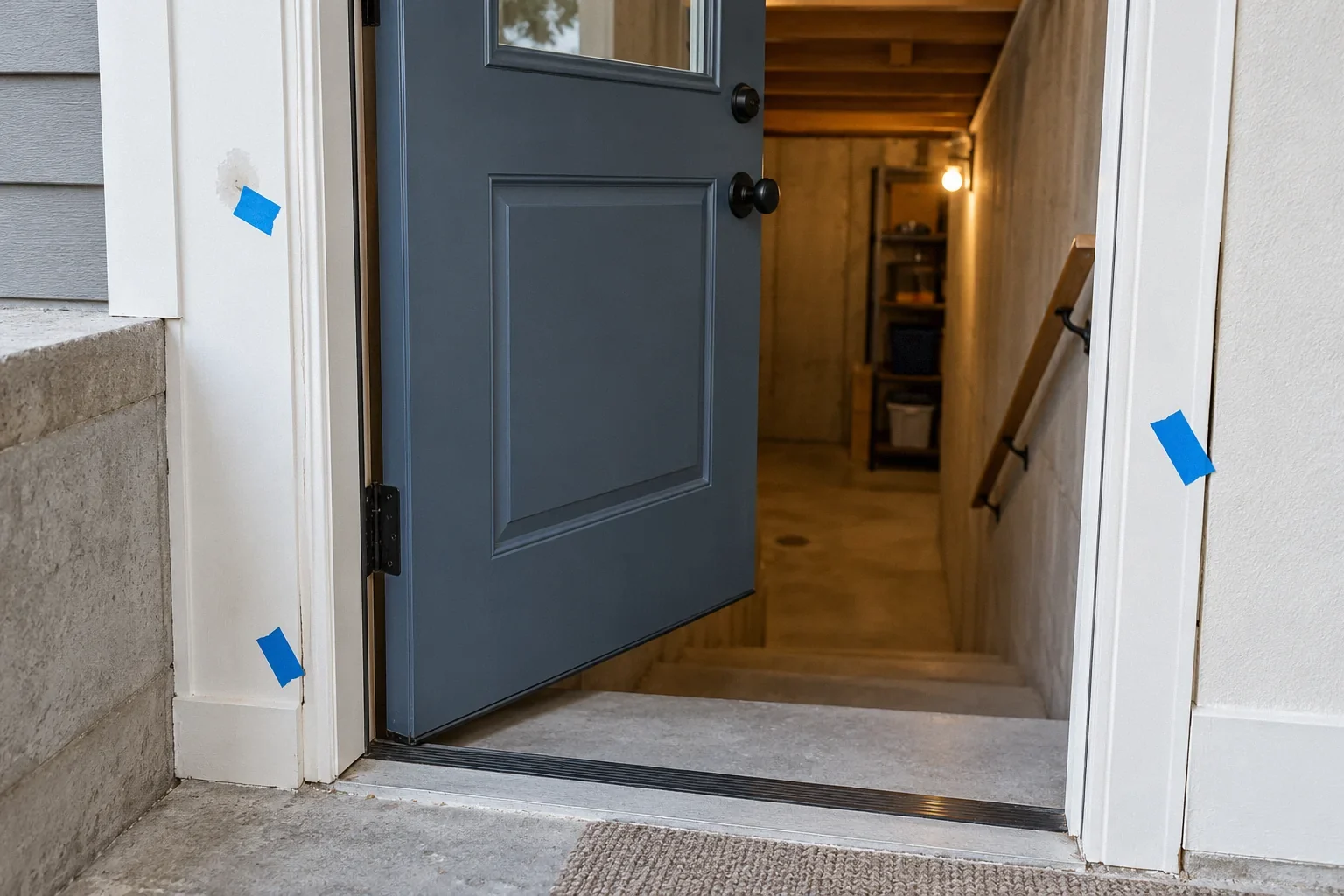
For an ordinary functional concern, describe the expected operation and the conditions under which the problem occurs. A door that catches only when another door is closed is a more useful observation than “door bad.” Do not perform destructive tests or adjust structural components to prove a point. Where a test could damage work or affect safety, have the appropriate contractor or professional define and perform it.
Distinguish incomplete scope from a new request
If the contract includes painting a repaired wall and the wall remains unfinished, that is a straightforward scope question. If the owner now wants the entire basement repainted to match a new color, some of that request may be additional work. Define the original boundary before negotiating the remedy.
Likewise, a requested correction should not quietly become an upgrade without discussing the difference. When a reasonable fix has more than one option, ask the contractor to explain them and obtain required design or product approval where relevant. A homeowner can describe the desired result without prescribing a repair method outside their expertise. Keep price and scope changes in the formal change process.
Provide access and a sensible correction sequence
Group related items when that reduces repeated disruption, but do not delay a serious safety concern for convenience. Identify which occupied areas must be cleared and when a specialist must attend. Some corrections need a sequence: an underlying problem may have to be addressed before finish work can be completed.
For each visit, confirm the intended items and who will review the result. Photograph relevant changes and preserve reports where professional verification is needed. A refusal to allow any access can make a dispute harder to resolve, while unrestricted access without a documented purpose can create confusion. A defined appointment and scope protect both the resident and the crew.
A hypothetical conflict after city approval
Suppose the city records its final approval for a basement renovation. During the owner's walkthrough, a door does not operate as agreed, a specified finish is missing and a required warranty document has not been supplied. Those items can be listed and addressed without asserting that the city failed to inspect the entire job correctly.
Now suppose a second reviewer raises a technical concern about a concealed structural connection. The useful next step is to obtain the actual report and ask the responsible professionals to evaluate it. A contractor discussion about a challenged final inspection shows why an unseen second opinion is difficult to answer. Document the finding before turning it into a generalized dispute over payment or competence.
Keep payment questions attached to the agreement
The existence of punch-list items does not automatically establish the amount that may be withheld or when an invoice is due. Read the contract's payment and completion terms, then identify how the listed items relate to them. A small finish issue and a major incomplete obligation may have very different contractual consequences.
FTC consumer guidance encourages written records and attempts to resolve construction problems with the contractor. If that fails, obtain advice appropriate to the dispute and jurisdiction. Do not use a copied retainage percentage as a substitute for understanding the agreement. A negotiated completion arrangement should state the remaining work, any agreed payment treatment and the event that closes the arrangement.
Close items without losing the remaining record
At the final review, mark each item completed, accepted with an agreed exception, disputed or still pending. Attach supporting photographs, reports or written explanations. This produces a more accurate record than a single signature beneath “all work satisfactory” when material questions remain unanswered.
Read any broad release language separately from the practical completion list. The homeowner and contractor may reasonably want closure, but should understand what rights or obligations a document changes. Keep the final issue register with warranties, permits and the original agreement. A future service call is easier when the record shows exactly what was corrected, when it was checked and which unresolved matters were expressly reserved.
Before your next decision
- Classify each issue and identify its exact location.
- Attach the relevant requirement and dated evidence.
- Request a response, responsible person and correction date.
- Define how each correction will be verified.
- Preserve unresolved items when documenting completion.
Related questions
Can an appearance problem be a valid punch-list item?
Yes, if it relates to the agreed finish or reasonable contractual expectation. Identify the reference and affected area rather than calling every appearance concern a code violation.
Who should verify a structural correction?
Use the relevant design professional, inspector or other qualified reviewer for the specific requirement. A homeowner's visual acceptance cannot replace required professional or official review.
Should I sign a completion form while items remain?
Read what the form says and identify remaining items accurately. A status acknowledgment and a broad release of claims can have different consequences; obtain advice if the language is unclear.
Sources & further reading
- California LegislatureBusiness and Professions Code section 7159
California statutory home improvement contracts; amended by Stats. 2025 ch.585, effective January 1, 2026
- City of San JoseFinal Inspection Building Requirements
San Jose final inspection
- Federal Trade CommissionHow To Avoid a Home Improvement Scam
United States consumer education; state contract and licensing rules vary
Homeowner questions behind this article
These discussions informed the questions, not the technical answers. Some were available through indexed excerpts; votes and comments are not an engineering assessment.
Research method