The short answer
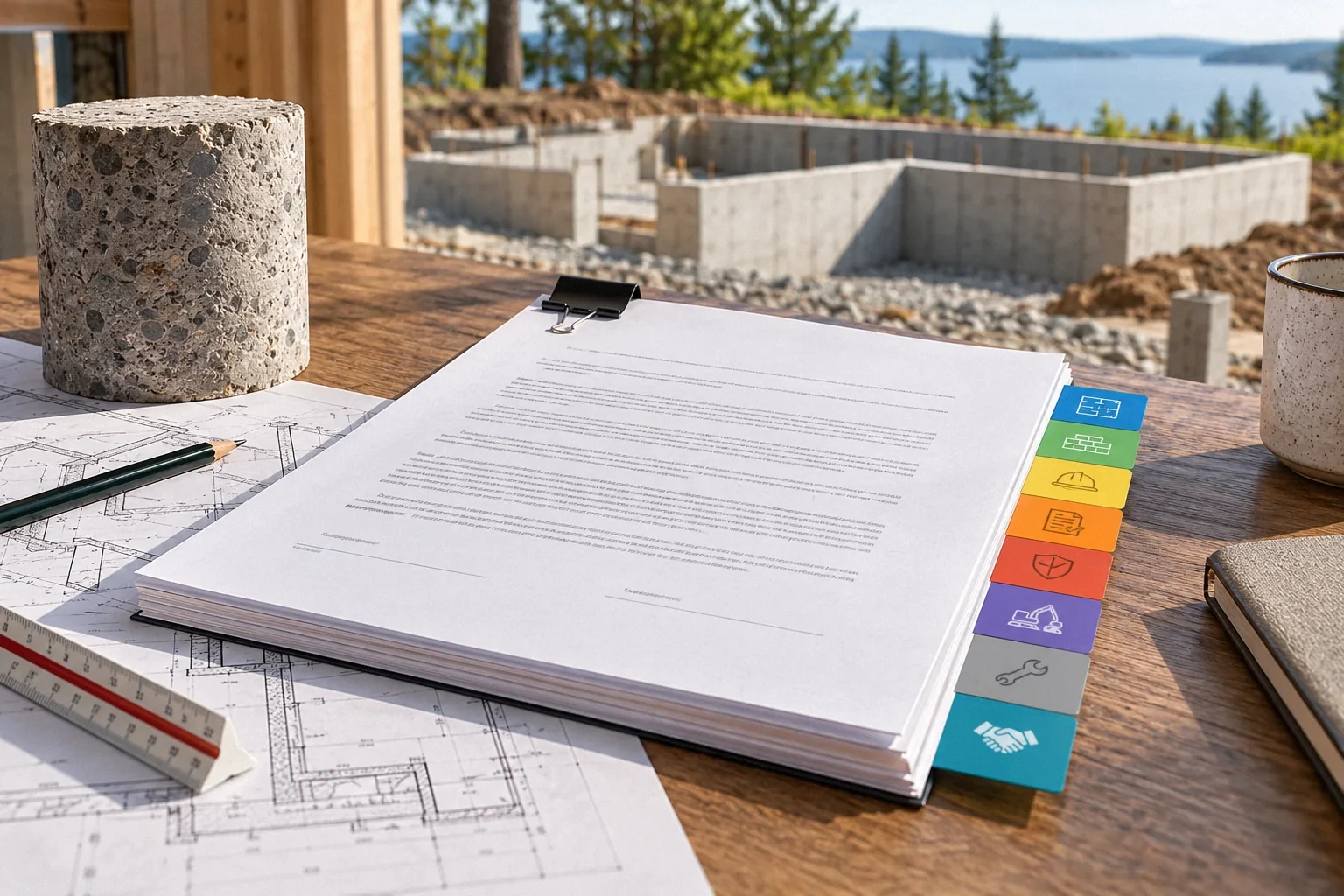
Begin with the pricing agreement. Receipts help verify reimbursable costs under a documented cost-plus or allowance arrangement, while a fixed-price contract may not provide access to every internal purchase. Separately, request records showing that the agreed products were delivered and installed. Product identification, substitution approvals, delivery records and photographs answer different questions; none alone proves that the completed work meets the design.
US general project planning; California statutory requirements and named local examples identified separately.
Separate cost verification from product verification
Two legitimate questions often become tangled: “Did I receive the agreed material?” and “How much did the contractor pay for it?” The first concerns performance of the contract. The second depends substantially on the pricing arrangement and its documentation requirements. Establish which question needs an answer before demanding a box of receipts.
A homeowner in a materials-billing discussion had agreed to weekly raw-material charges plus a markup but lacked clarity about supporting invoices. That is a different problem from an owner trying to renegotiate a fixed total after seeing a supplier discount. The records should support the actual bargain, including how uncertainty and purchasing costs were allocated.
Read the pricing model before reviewing invoices
Scroll horizontally to read every column.
| Pricing arrangement | Questions to resolve |
|---|---|
| Fixed price | Which products and quantities are promised, and what changes alter the price? |
| Cost-plus | Which costs are reimbursable, what evidence is required and how is markup calculated? |
| Time and materials | How are purchases, labor and equipment documented and approved? |
| Allowance | What is included, how is actual cost compared and how are credits handled? |
| Owner supplied | Who verifies compatibility, delivery, storage, defects and missing parts? |
These are contractual questions, not universal statements that every contractor must disclose the same records. Resolve them in writing before material selection or purchasing decisions depend on them.
Define the reimbursable cost clearly
If actual material cost will be billed, ask whether the calculation includes sales tax, delivery, freight, restocking charges, procurement time or a separate handling fee. Specify whether markup applies to each category. Determine how discounts, returns, credits and unused purchases appear in the reconciliation.
Ask for invoices organized by project and billing period, with an explanation for mixed-project purchases or charges that cannot readily be identified. A useful review can protect legitimate confidential information while still supporting the agreed reimbursement. Do not assume that every difference between an online shelf price and a billed amount is improper. Delivery, quantities, product specification and purchasing date may differ; the contract should explain which differences are chargeable.
Connect the promised product to the installed location
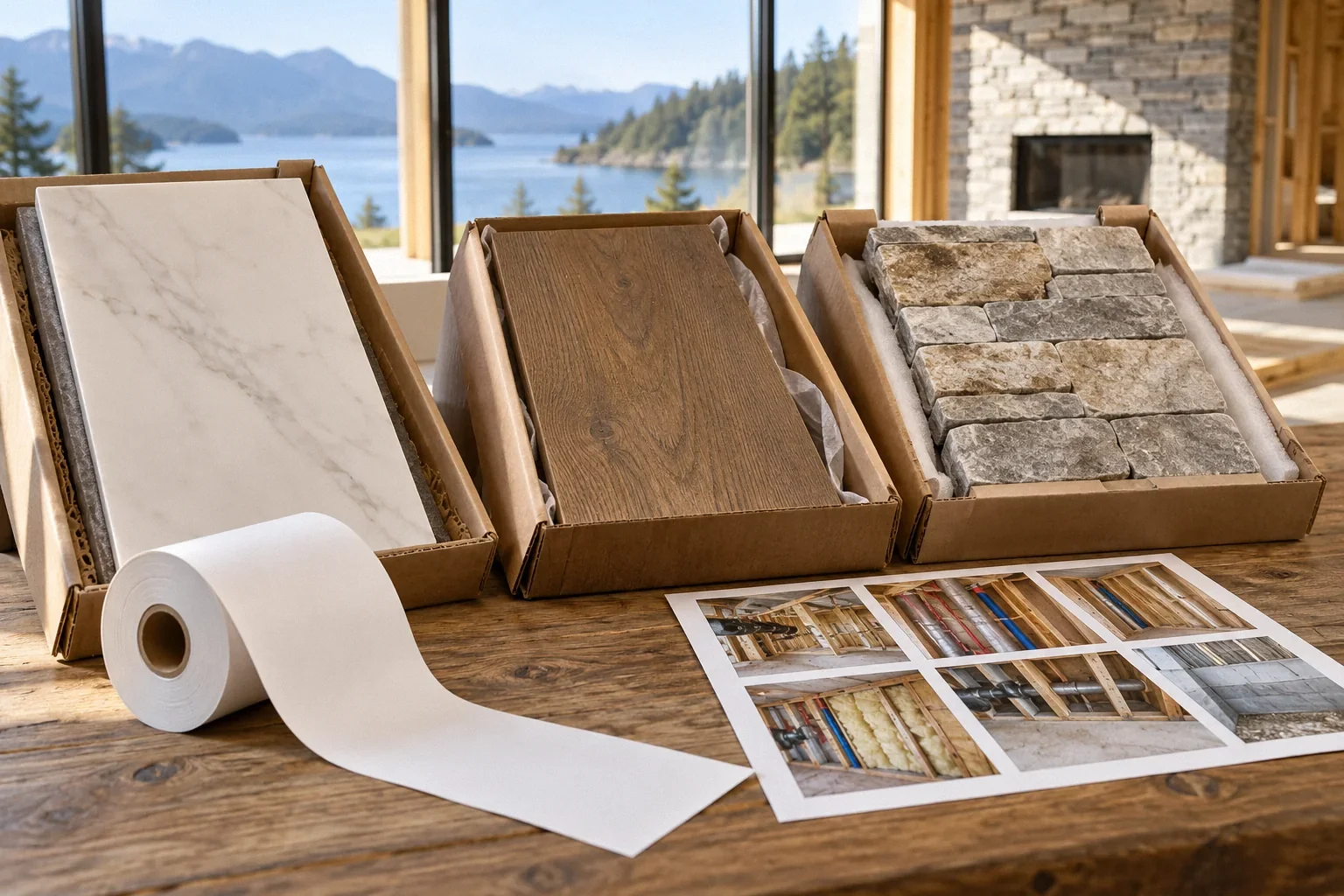
California's CSLB contract guidance recommends detailed identification of products and materials. For a basement or foundation project, the useful record may include the exact product designation, an approved submittal, a delivery document and a photograph showing where it was used. The required detail depends on the design and the product.
A receipt establishes a purchase, not necessarily delivery to this property or installation at a particular location. A photograph of packaging establishes that packaging was present, not that every hidden component was installed correctly. Use complementary records without asking homeowners to certify technical compliance themselves. When the plans call for testing or professional observation, retain that evidence too.
Approve substitutions before they become permanent
Availability problems can lead to substitutions, and some are entirely reasonable. Ask what is changing, why, whether the design professional or building department must approve it, and how warranty or maintenance requirements are affected. Preserve the written decision alongside the original specification.
The current California home improvement contract statute, reviewed October 3, 2026, addresses significant materials and written changes. An owner agreeing to a different color is not necessarily approving a change in a structural or moisture-control product. Describe the actual substitution. If cost or time changes, use the project's change process rather than burying the difference inside a materials invoice.
Plan the records before work is concealed
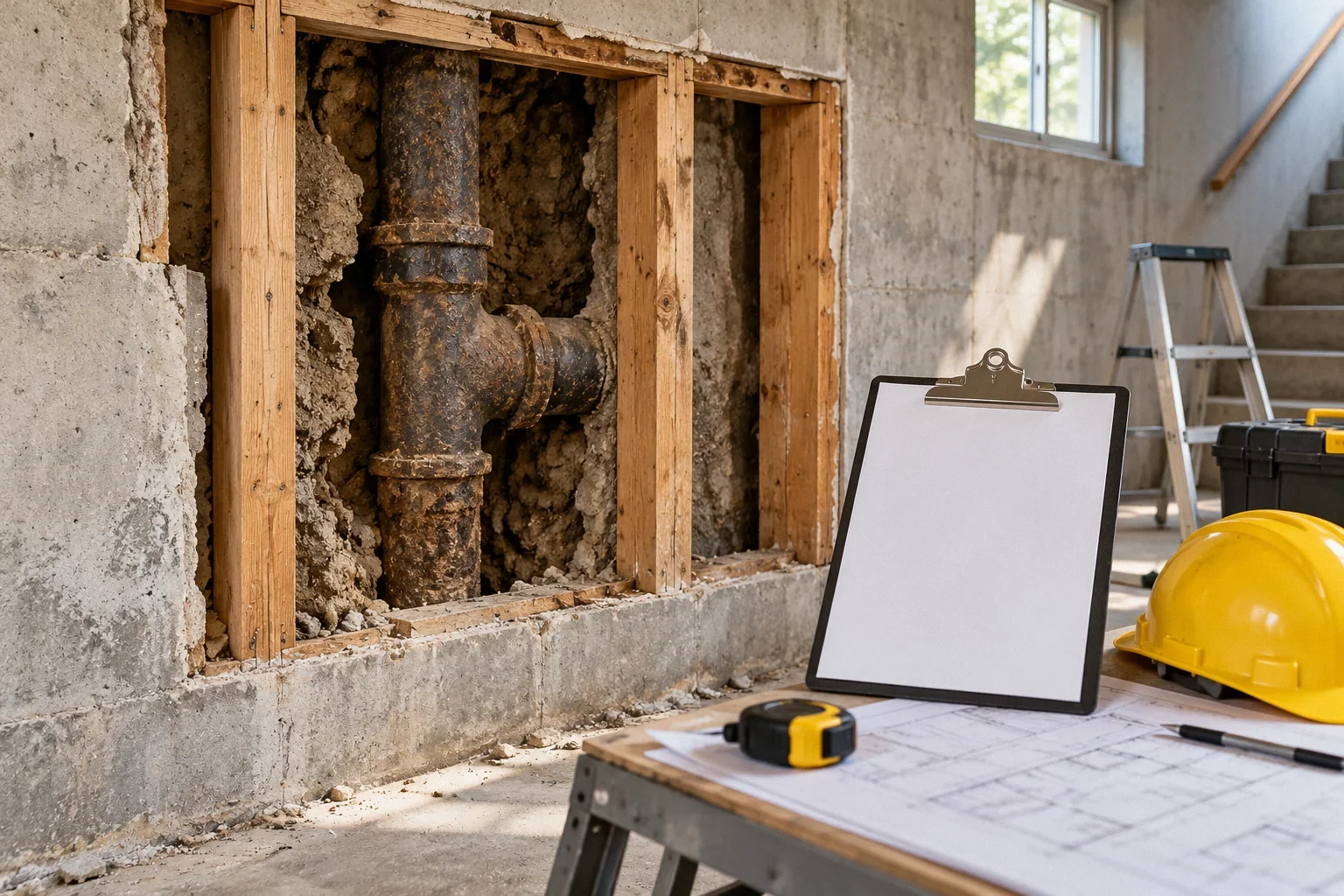
Ask at the pre-start meeting which stages will become difficult to inspect afterward. Agree who will capture the relevant photographs, identify locations and collect observation reports. A file named only “IMG_4021” may be difficult to interpret a year later; a short location and date description makes it much more useful.
Do not treat photographs as an automatic replacement for required inspections. Their role is to supplement the project's records and explain what was done. Nor should the homeowner enter an unsafe work zone to obtain them. The contractor can coordinate safe documentation at planned stages, with the responsible inspector or professional determining the evidence needed for their own work.
A hypothetical allowance reconciliation
Suppose a basement contract includes an allowance for a selected finish product, while installation labor is separately fixed. The owner chooses a product, delivery includes damaged cartons, and some material is later returned. A useful reconciliation identifies the approved selection, invoices, damaged-material credit, returned quantity and the contract's markup treatment.
It should not simply compare the initial allowance with the first receipt and stop. It should also avoid deducting installation labor that remains necessary merely because the product cost decreased. The same example shows why ownership of leftover material should be discussed. Who keeps usable surplus, who removes unwanted leftovers and whether a credit is due depend on the agreement and the actual purchasing arrangement.
Request records in a form that can be checked
A practical request identifies the billing period, charge and missing support: “The invoice lists material reimbursement for the north basement wall. Please identify the product, quantity, supplier invoice and any applicable delivery or return credit under our agreement.” This gives the contractor a finite question to answer. A demand for every company receipt may be both unhelpful and unrelated to your project.
Review selected entries against the agreed cost categories and the work actually scheduled. If a charge appears twice, ask whether one entry is a deposit, a later balance or a duplicate. If a return appears in a later billing period, carry that item forward until the credit is reconciled. Keep a status column so the same uncertainty is not rediscovered every week.
For product verification, collect the information when it is available instead of asking a crew to reconstruct packaging details months later. Assign this task during planning. The result should be a usable record of the agreed products and relevant approvals, not a demand that the homeowner monitor every purchase or direct the contractor's day-to-day procurement.
Link material records to payment and handover
Organize final records so the owner can find product instructions, warranty terms, approved substitutions and installation locations without searching every weekly invoice. Keep cost records separate from the simpler maintenance packet if that improves usability. Preserve originals and share copies when requesting clarification or making a claim.
Payment verification has another dimension: paying the contractor does not necessarily establish that suppliers were paid. CSLB's lien-release guidance explains the distinction and the use of conditional and unconditional forms. A materials receipt, a paid invoice and an appropriate claimant release are different documents. Do not use one as a substitute for all the others.
Before your next decision
- Identify the pricing model and required cost support.
- Define tax, delivery, markup, returns and credits.
- Record product designations and substitution approvals.
- Plan safe documentation before concealment.
- Keep warranty, payment and lien-release records distinguishable.
Related questions
Can I insist on every receipt in a fixed-price job?
Review the agreement and applicable law rather than assuming a universal right to the contractor's internal costs. You can still ask for evidence that agreed materials and approved substitutions were supplied.
Does buying the materials myself always save money?
Not necessarily. Owner purchasing changes responsibility for selection, missing components, delivery, storage, returns and delays. Compare those obligations as well as the purchase price.
Is a delivery ticket enough for a warranty claim?
It may support the product history, but the warranty may require additional installation, maintenance or claim records. Read the actual terms and preserve the relevant documentation.
Sources & further reading
- California LegislatureBusiness and Professions Code section 7159
California statutory home improvement contracts; amended by Stats. 2025 ch.585, effective January 1, 2026
- CSLBLearn About Home Improvement Contracts
California home improvement contracts
- CSLBConditional and Unconditional Waiver and Release Forms
California lien releases
Homeowner questions behind this article
These discussions informed the questions, not the technical answers. Some were available through indexed excerpts; votes and comments are not an engineering assessment.
Research method