The short answer
An appraisal, home inspection and engineering evaluation serve different purposes. An appraisal addresses value for its intended use; a general inspection reports conditions within an agreed scope; an engineer investigates defined technical questions. Read each engagement's limitations and follow up on inaccessible areas or referrals. A lender's appraisal acceptance does not establish that hidden conditions have been evaluated or replace the buyer's own due diligence.
US general project planning; California requirements and named local examples labeled in the text.
Match the service to the decision you must make
Start with a question, not the word “inspection.” Are you deciding whether the purchase price is supported, whether the house has visible maintenance and safety concerns, or whether a particular structural condition requires further investigation? Those questions overlap at the property, but they do not call for the same professional work.
A buyer may need more than one service during the same transaction. The general inspection can identify a condition that merits an engineer's attention, while the appraisal proceeds for the lender's purpose. Coordinate the sequence early enough that a referral does not arrive after the buyer's contractual decision deadline. No appointment should be treated as comprehensive simply because the person visited the entire house.
An appraisal does not answer every condition question
HUD's For Your Protection: Get a Home Inspection explains the distinction between an appraisal and a home inspection. Its core point is useful even though the linked form is older: the appraisal process is not a substitute for the buyer obtaining an appropriate independent inspection. Do not use the form as a source for current transaction deadlines or procedural details.
An appraiser may note conditions relevant to the appraisal assignment or lender requirements. That does not mean the appraiser performed a detailed structural investigation or evaluated every concealed space. Read the appraisal for its stated purpose and conditions, and direct technical concerns to the appropriate service rather than asking a valuation result to answer them.
Read the home inspection agreement before the visit
Ask what systems and accessible areas are included, what is excluded, how unsafe or inaccessible conditions are handled, and whether additional services require separate arrangements. The written scope matters more than a label such as “full inspection.” Ask how observations are documented and whether the report clearly separates observed defects, maintenance items and recommendations for specialist evaluation.
The California Department of Real Estate's First Home California guidance discusses the buyer's investigation process and the distinction between appraisal and inspection. Use the actual purchase agreement to identify deadlines and contingencies. Do not assume that scheduling an inspection automatically extends a contractual deadline or preserves a right that the buyer has already waived.
Treat inaccessible areas as unresolved information
If a crawlspace, basement room or concealed structural area cannot be examined, ask the inspector to identify what prevented access and what conclusions were limited. A report saying “not inspected” is not a favorable finding. It is a gap that may matter to the purchase decision. Ask whether safe, permitted access can be arranged and what follow-up service would be appropriate.
A Reddit discussion about an inaccessible crawlspace and later concerns illustrates how easily expectations diverge. The practical lesson is to resolve the scope before relying on the report, not to assume wrongdoing by the inspector. Preserve photographs and access notes so a later specialist knows what was and was not observed.
Give the engineer a defined question and useful records
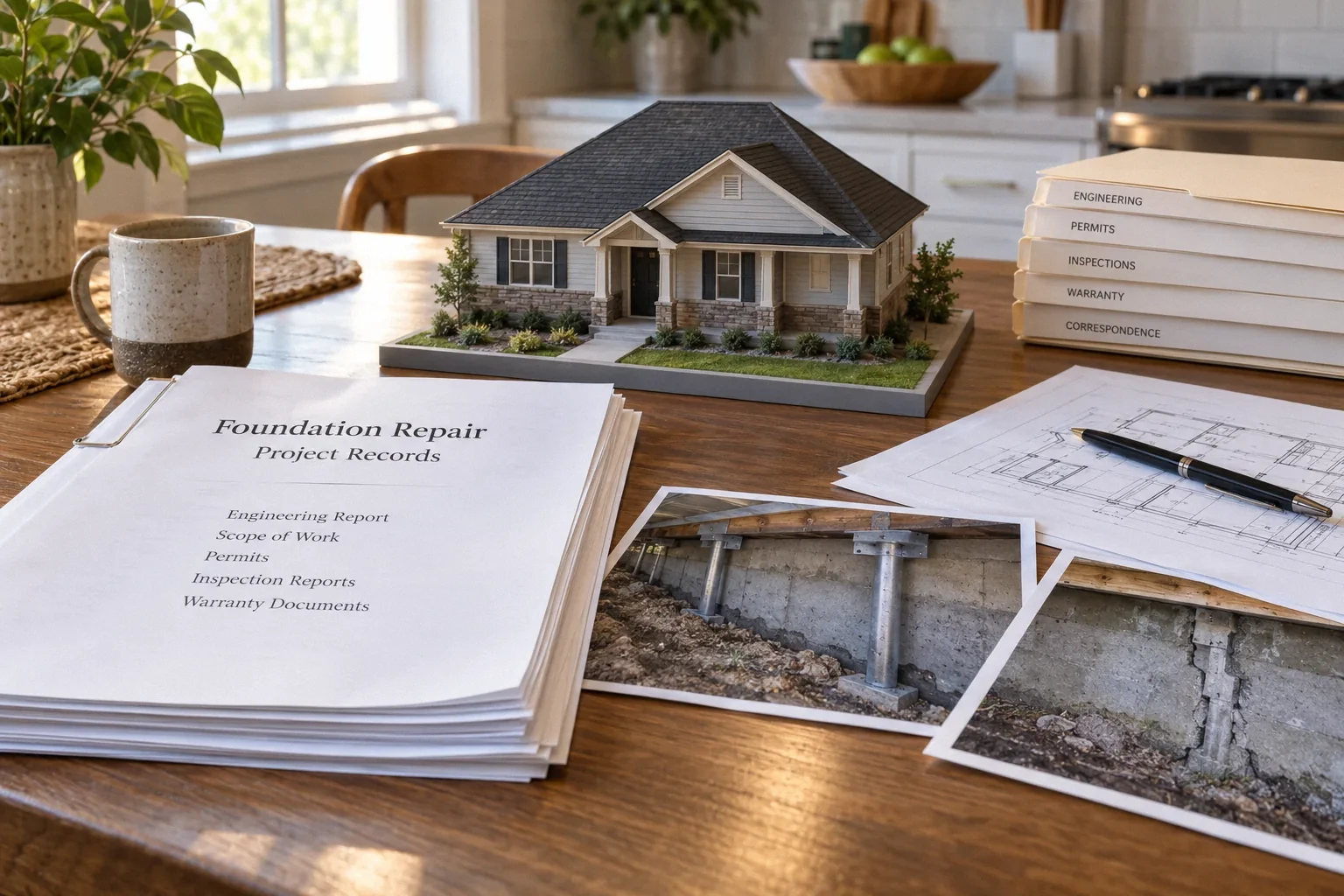
For an engineering evaluation, describe the observed condition and the decision it affects. Examples include whether movement indicators warrant further investigation, whether a previous repair's documentation answers a specific concern, or what additional information is needed before changing structural work. Supply available plans, repair records, general inspection findings and dated photographs. Avoid commissioning a vague “stamp of approval.”
The California board's building design authority guidance distinguishes professional authority for different building work. Do not assume that every residential question legally requires a structural engineer title rather than an appropriately qualified civil engineer. Ask about relevant experience and scope, and confirm the individual through the board's license lookup guidance.
Compare deliverables and limitations
Scroll horizontally to read every column.
| Service | Typical decision supported | Useful scope question |
|---|---|---|
| Appraisal | Value for the intended assignment | What assumptions or conditions affect the conclusion? |
| General home inspection | Condition concerns within the inspection agreement | Which areas were inaccessible and which findings need follow-up? |
| Engineering evaluation | A defined technical question | What evidence supports the opinion and what remains uncertain? |
A brief site visit may produce a limited written opinion rather than calculations, repair design or a comprehensive investigation. Ask whether the fee includes a written report, follow-up discussion and review of newly supplied records. If additional work is recommended, identify the question it will answer before approving another phase.
Hypothetical example: an appraisal and a basement referral
Suppose a lender accepts an appraisal while the buyer's inspector notes a basement wall condition and recommends specialist review. The buyer should not interpret the appraisal acceptance as resolving the referral. The two reports address different assignments and may rely on different levels of access.
The buyer sends the inspection finding, available repair history and photographs to an engineer, requests a defined evaluation and coordinates access with the seller. If the engineer cannot resolve the concern without further information, the buyer discusses timing and transaction options with the appropriate adviser before the relevant deadline. A limited answer is still useful when its limits are explicit; an assumed answer is not.
Make the follow-up fit the transaction calendar
List each open question, the professional needed, access requirements, expected deliverable and delivery date. Allow time to read the report and ask follow-up questions before making a decision. If an appointment is unavailable, ask the transaction adviser about the actual contractual options. Do not treat an anticipated appointment as a guaranteed extension.
Request permission before any destructive investigation or alteration of the seller's property. Clarify who restores openings and how findings will be shared. Where access cannot be obtained, record the remaining uncertainty and its significance to the decision. The buyer may need to evaluate a price, contingency or withdrawal option, but those choices depend on the contract and professional advice, not on a universal checklist.
Judge the report by its reasoning
A useful report identifies the property, assignment, inspection date, documents reviewed, areas observed and limitations. Its conclusions should connect to evidence and explain recommended next steps. If photographs show the wrong location or the text contradicts the stated observations, request a correction promptly. Keep both the original and corrected versions so the record remains clear.
Neither a general inspection nor an engineering opinion is a blanket warranty of concealed conditions or future performance. That limit does not make the work unhelpful. It means the buyer should understand exactly what decision the report supports, what information it leaves open and whether the remaining uncertainty is acceptable before proceeding with the purchase.
Before accepting the final report, check that the stated question matches the engagement. A technically careful document can still be insufficient for your decision if it addresses a different concern from the one you commissioned.
Before your next decision
- Identify the decision each professional is being asked to support.
- Read scopes and exclusions before appointments.
- Track inaccessible areas and specialist referrals.
- Verify professional identity and request written deliverables.
- Resolve timing and access before contractual deadlines.
Related questions
If the appraisal is accepted, do I still need a home inspection?
An appraisal serves a different purpose. Consider an independent inspection appropriate to the property and follow up on technical concerns within your transaction deadlines.
Does every crack require a structural engineer?
No universal rule follows from the presence of a crack alone. Use the observed condition, inspection findings and qualified advice to define whether specialist evaluation is needed.
What if the inspector could not enter an area?
Treat that area as unexamined. Ask what conclusions are limited, whether safe access can be arranged and what further service would address the concern.
Sources & further reading
- US Department of Housing and Urban Development / FHAFor Your Protection: Get a Home Inspection
United States homebuyer education
- California Department of Real EstateFirst Home California
California homebuyer education and disclosures
- BPELSGBuilding Design Authority
California building-design authority
- California Board for Professional Engineers, Land Surveyors, and GeologistsLicense Lookup for California Professional Engineers, Land Surveyors, Geologists and Geophysicists
California individual professional licenses
Homeowner questions behind this article
These discussions informed the questions, not the technical answers. Some were available through indexed excerpts; votes and comments are not an engineering assessment.
- Home inspector or contractor?
- Has anyone taken legal action against the home inspector?
- Hiring Structural Engineer for home foundation evaluation?