At a glance
Keep a simple moisture log. Dates, weather, photographs and the location of each symptom make a site visit more useful.
Record what you can observe safely
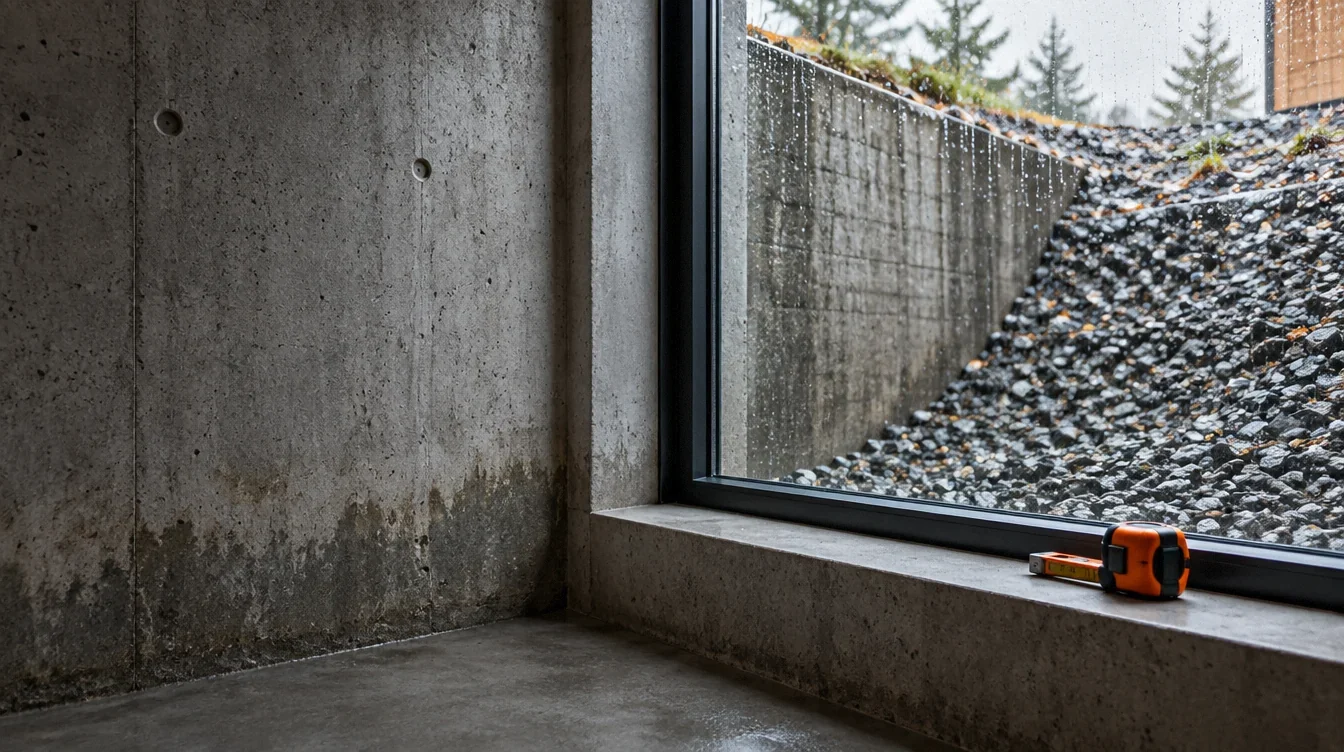
Photograph the same locations over time. Note whether a symptom follows rain, plumbing use or a change in indoor conditions. Mark the room and wall on a simple sketch. Include previous repairs and whether they changed the pattern.
Distinguish observations from explanations: “the lower corner is wet after rain” is more useful than deciding in advance that a crack is the only cause. Avoid disturbing suspect materials to investigate a hidden area yourself.
Ask for a diagnosis before a finish package
A repair proposal should identify what has been observed, what remains uncertain and what investigation is included. Ask how the work addresses the moisture source and how the contractor will evaluate the result.
EPA's guidance makes moisture control central to preventing recurring mold. Painting over a damp or moldy surface does not resolve the underlying condition. A dehumidifier may be part of managing indoor humidity; ask how it fits with the proposed repair instead of treating the appliance as a complete diagnosis.
Make the scope measurable
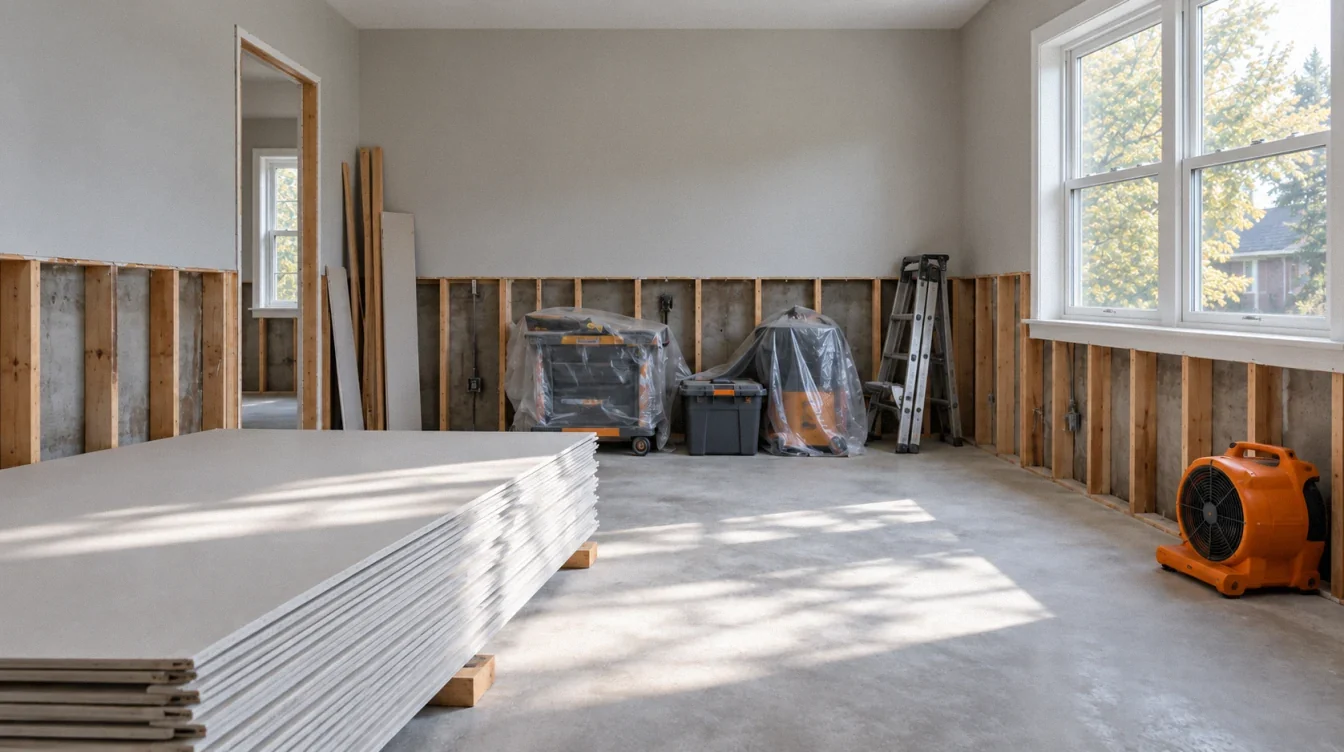
Separate investigation, source correction, removal or cleaning, drying and rebuilding in the written proposal. Ask what findings could change the scope, who records moisture readings and when concealed areas can be closed.
Keep photographs and product information with the property records. Include maintenance access and a plan for checking the repaired area after similar weather. If standing water, a sewage backup or potentially wet electrical equipment is involved, start with the flood-recovery guide.