The short answer
Do not enter a flooded basement until electrical, gas, structural and contamination hazards have been assessed. Never step into water to reach a breaker, appliance or pump. Contact emergency services, the utility or qualified professionals as the conditions require. Once access is declared safe, document the event and organize source control, appropriate water removal, cleanup and drying before planning repairs.
US general planning; local code examples and manufacturer-specific requirements are identified where used.
The first decision is whether anyone can safely enter
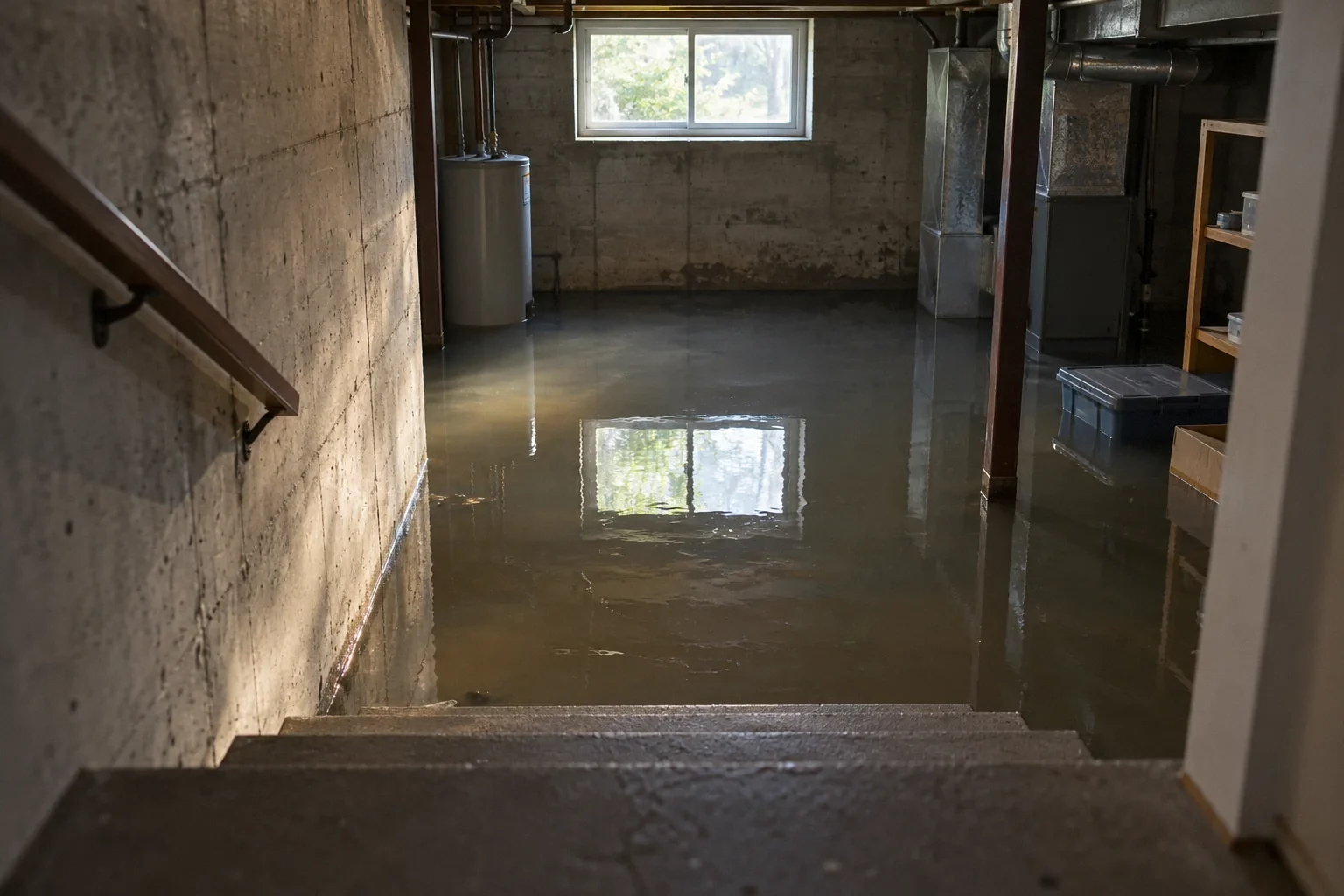
A flooded basement creates pressure to act quickly, especially when water is rising around stored belongings. Resist using the apparent depth as the only safety measure. Shallow water can still contact energized equipment or conceal damaged flooring, openings and contaminated material. Keep people and pets away while the conditions are evaluated from a safe location.
The CDC guidance on reentering a flooded home warns about electrical hazards and directs people not to enter standing water to reach electrical controls. If power isolation cannot be performed safely from a dry location, involve the utility or an electrician. Odor suggesting gas, visible structural damage or other immediate danger warrants the appropriate emergency response. Retrieving photographs, moving a dehumidifier or saving furniture is not a reason to enter an area whose hazards remain unresolved.
Identify the event without relying on water color
A burst supply pipe, sewer backup, river flood and groundwater entry create different conditions, but the water may not reveal its source by appearance. Note the timing, affected fixtures, outdoor conditions and any utility reports without entering danger. If the cause is uncertain, preserve that uncertainty for the professionals assessing cleanup.
Water can contact chemicals, stored products or sewage as it moves through a building. Clear-looking water is not proof of sanitary conditions, and a small visible amount does not establish that adjacent cavities stayed dry. Share the known history with the cleanup provider so their approach fits the exposure. Once immediate hazards are controlled, identifying and stopping the source is essential; drying equipment cannot compensate for continuing inflow. Do not operate plumbing, electrical or pumping equipment based on guesswork about the cause.
Do not make pumping speed the only objective
Removing water is part of recovery, but the safe method and timing depend on conditions inside and outside the building. Where outside water remains high or the structure may be damaged, obtain qualified direction before pumping. This is not a situation for applying a universal drain-it-all-immediately rule from an unrelated incident.
A portable pump also introduces electrical and discharge questions. Equipment must be appropriate for the conditions, operated under its instructions and used only after the relevant hazards are resolved. Keep fuel-powered equipment outdoors and follow current public safety and manufacturer requirements; never use an engine in a basement or attached enclosed area. Ask the responding professional where removed water may be discharged and whether contamination changes that decision. The aim is controlled recovery without adding electrical, carbon monoxide, structural or environmental hazards.
Document safely and establish the cleanup scope
Once the area can be accessed safely, photograph affected rooms, materials and equipment before removal where practical. Record water levels, timing and the suspected source. Contact the parties handling the loss and retain instructions, but do not delay necessary safe cleanup solely to produce a perfect inventory.
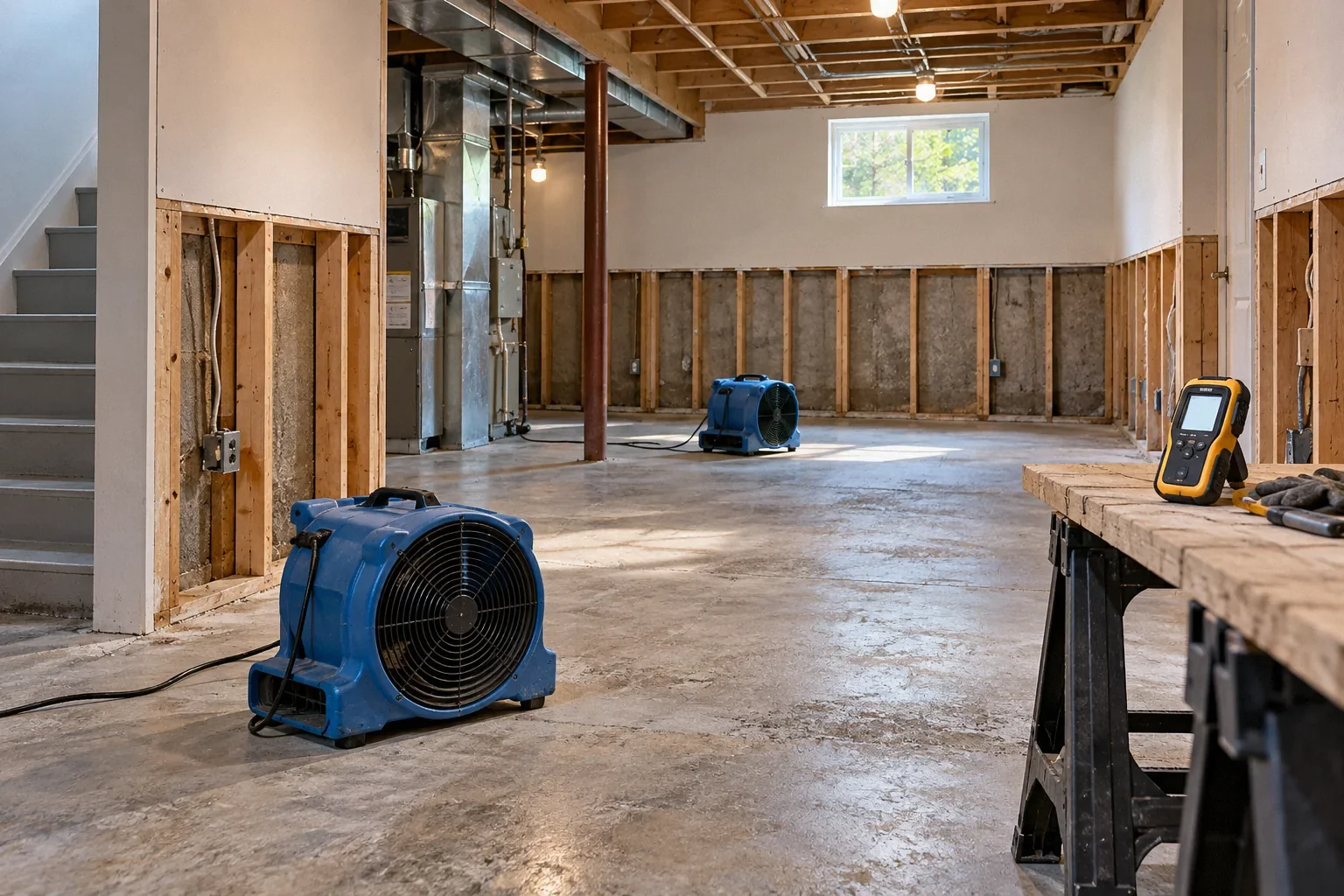
The EPA flood cleanup guidance explains the importance of removing water, cleaning affected areas and drying materials to protect indoor air. Some items can be cleaned; others may require disposal depending on material and contamination. Hidden cavities and insulation may need assessment even when the surface appears dry. Ask the provider to explain which materials will be retained, removed or evaluated further and why. This makes the scope reviewable and avoids reducing the entire event to a number of fans rented for a certain number of days.
Manage mold risk without assuming bleach solves the event
Moisture control and prompt appropriate drying are central to limiting mold growth. The EPA brief guide to mold and moisture discusses drying wet materials within 24 to 48 hours where possible and emphasizes fixing the water problem. That window is a prevention objective, not a promise that everything is safe after a particular time or that contamination can be ignored.
Do not treat visible mold as the only cleanup criterion. Water may remain behind wall finishes or beneath flooring, and sewage exposure brings concerns beyond mold. A bleach application does not establish that porous materials are clean or dry. If HVAC equipment or ducts may be affected, obtain the appropriate assessment before using them in a way that could spread contamination. Larger, complicated or contaminated losses may require professional remediation rather than ordinary household cleaning.
A hypothetical storm loss with an inaccessible panel
Imagine a homeowner returns during a storm and sees several inches of water in the basement. The electrical panel and pump connections are reached only by crossing the wet area. The homeowner stays out, keeps others away and contacts the appropriate emergency or utility resources instead of wading to the breaker.
After qualified responders resolve entry hazards, the source and surrounding conditions are assessed, and a recovery provider develops a water-removal and cleanup plan. Photos and material records are collected during safe access. The homeowner then separates immediate cleanup from later decisions about drainage or reconstruction. This hypothetical sequence may feel slower than grabbing a pump, but it addresses the hazards that water depth alone cannot reveal. The goal is not a fast-looking response; it is a response that does not turn property damage into an injury.
Use clear handoffs from emergency response to rebuilding
Before routine repair begins, know who has assessed electrical equipment, structural concerns and contamination, and what restrictions remain. Water-damaged electrical components may need professional evaluation or replacement before energizing. Dry-looking equipment should not be restarted simply because the floor is no longer wet.
Obtain the cleanup and drying records and identify unresolved moisture sources. Ask what evidence will support closing cavities and installing finishes, rather than accepting a calendar date as the completion test. If the source was sewer surcharge, groundwater or exterior flooding, prevention measures need their own evaluation. A repaired pipe or restored power does not complete the building recovery. Clear handoffs help the owner distinguish safe access, completed cleanup, verified drying and finished reconstruction, each of which answers a different question about the basement's condition.
Before your next decision
- Keep occupants and pets out of an unassessed flooded area.
- Arrange safe electrical and other hazard evaluation.
- Record the event from a safe location.
- Obtain a condition-specific water-removal plan.
- Separate cleanup, drying and equipment clearance.
- Keep completion records before rebuilding.
Related questions
Can I walk through shallow water to turn off the power?
Do not enter standing water to reach electrical controls. If power cannot be isolated safely from a dry location, contact the utility or a qualified electrician.
Should I start the HVAC to dry everything?
Not until its condition and possible contamination have been assessed. Affected equipment or ducts may need professional attention before operation.
Does no visible mold mean rebuilding can start?
No. Hidden moisture, contamination and damaged materials still need evaluation. Drying and cleanup completion should be established before finishes conceal the area.
Sources & further reading
- Centers for Disease Control and PreventionSafety Guidelines: Reentering Your Flooded Home
Flood response safety; opened page reviewed August 24, 2026.
- U.S. Environmental Protection AgencyFlood Cleanup to Protect Indoor Air and Your Health
Post-flood cleanup, material removal and dryness before enclosure.
- U.S. Environmental Protection AgencyA Brief Guide to Mold, Moisture and Your Home
Residential mold prevention and cleanup; health advice must remain bounded.
Homeowner questions behind this article
These discussions informed the questions, not the technical answers. Some were available through indexed excerpts; votes and comments are not an engineering assessment.
- HELP! My power went out and my basement flooded. I have no idea what to do
- Help on remediating steps for water damage behind wall