The short answer
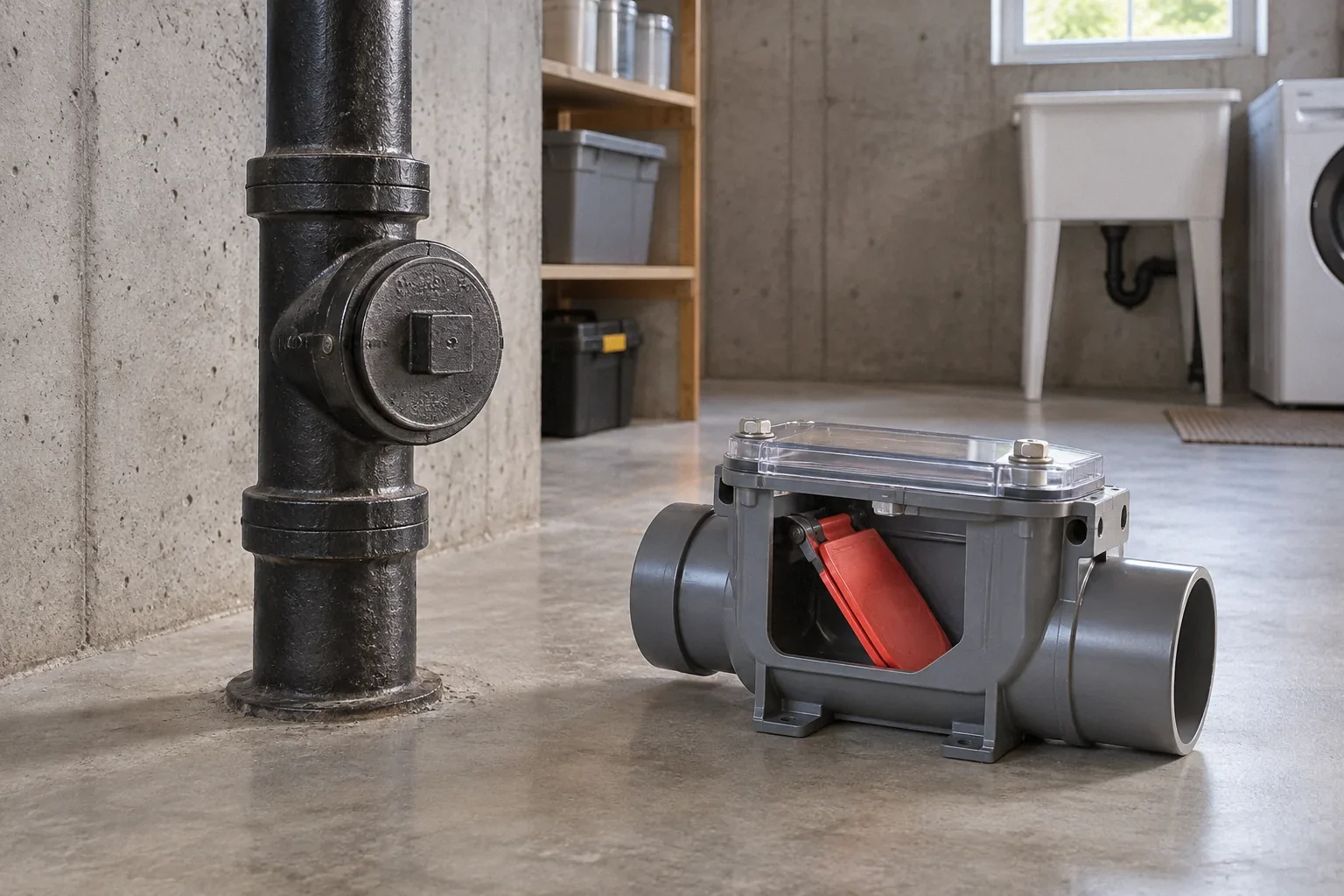
A backwater valve can reduce the risk of sewage flowing backward from a surcharged sewer through the plumbing it protects. It does not stop groundwater seepage, repair a blocked private drain or guarantee protection for every fixture. The right installation depends on the drainage layout and local requirements. Have a qualified plumbing professional identify the backup cause, protected connections and maintenance access before selecting a valve.
US general planning; local code examples and manufacturer-specific requirements are identified where used.
Identify whether the water came through plumbing
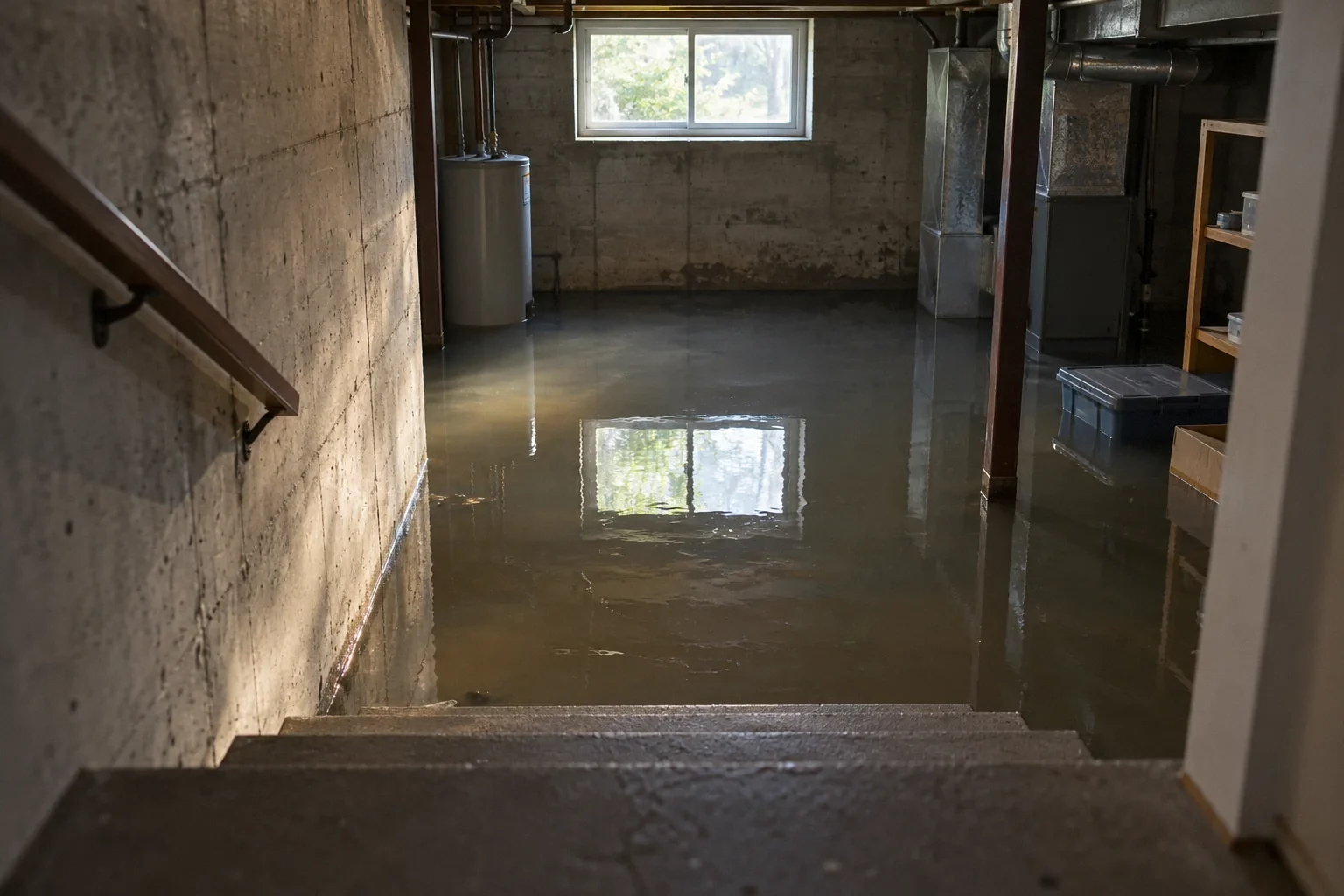
Water at a basement floor drain can suggest a sewer problem, but its location alone does not establish the source. Record which fixtures were affected, whether upper-floor drains were in use, whether neighbors reported a similar event and how the timing related to rain. Keep photographs from a safe location and preserve any utility or plumber findings.
A blockage in the home's private drain, surcharge in the public sewer and water entering through the building enclosure can require different responses. Avoid treating the word backup as a complete diagnosis. A valve intended to resist reverse sewer flow cannot correct every restriction downstream of a fixture. Contact the appropriate sewer utility and a qualified plumbing professional as needed to determine which portion of the system was involved before buying a device or authorizing extensive work.
Know the specific function of a backwater valve
A backwater valve is designed to resist reverse flow under its applicable operating conditions. Which fixtures it protects depends on where it is installed in the drainage system and how those fixtures connect. A valve located in one branch does not automatically protect other branches that join elsewhere.
The City of Columbus Project Dry Basement information describes a local approach to sewer-backup protection and maintenance. Its program eligibility and installation arrangements are specific to Columbus, but it usefully shows that backup protection involves both a device and an identified plumbing problem. Ask the plumber to mark the protected fixtures on a sketch and explain any unprotected connections. The proposal should identify the exact product, its installation requirements and how the owner will access it for inspection and service.
Understand what happens while the valve is closed
When a device closes against reverse flow, wastewater from the home may no longer be able to pass through that protected route normally. The household needs instructions for fixture use during a backup event, based on the actual plumbing configuration. Continuing to send water toward a closed or restricted path can create another problem inside the house.
Ask the installer to explain the operating condition in plain language: what may trigger closure, which fixtures are affected, how an event is recognized and what occupants should do. Do not infer those answers from the product name alone. A basement with a separate pumping arrangement can behave differently from one connected by gravity. The maintenance and use instructions should remain accessible to occupants and future owners, because a correctly installed device still depends on an understood system and appropriate response.
Separate sewer protection from groundwater drainage
A sump and a backwater valve may both appear in a flood-prevention proposal, but their jobs differ. A sump commonly collects drainage water and pumps it to an approved destination. A backwater valve addresses reverse flow in a drainage connection. One is not a universal replacement for the other.
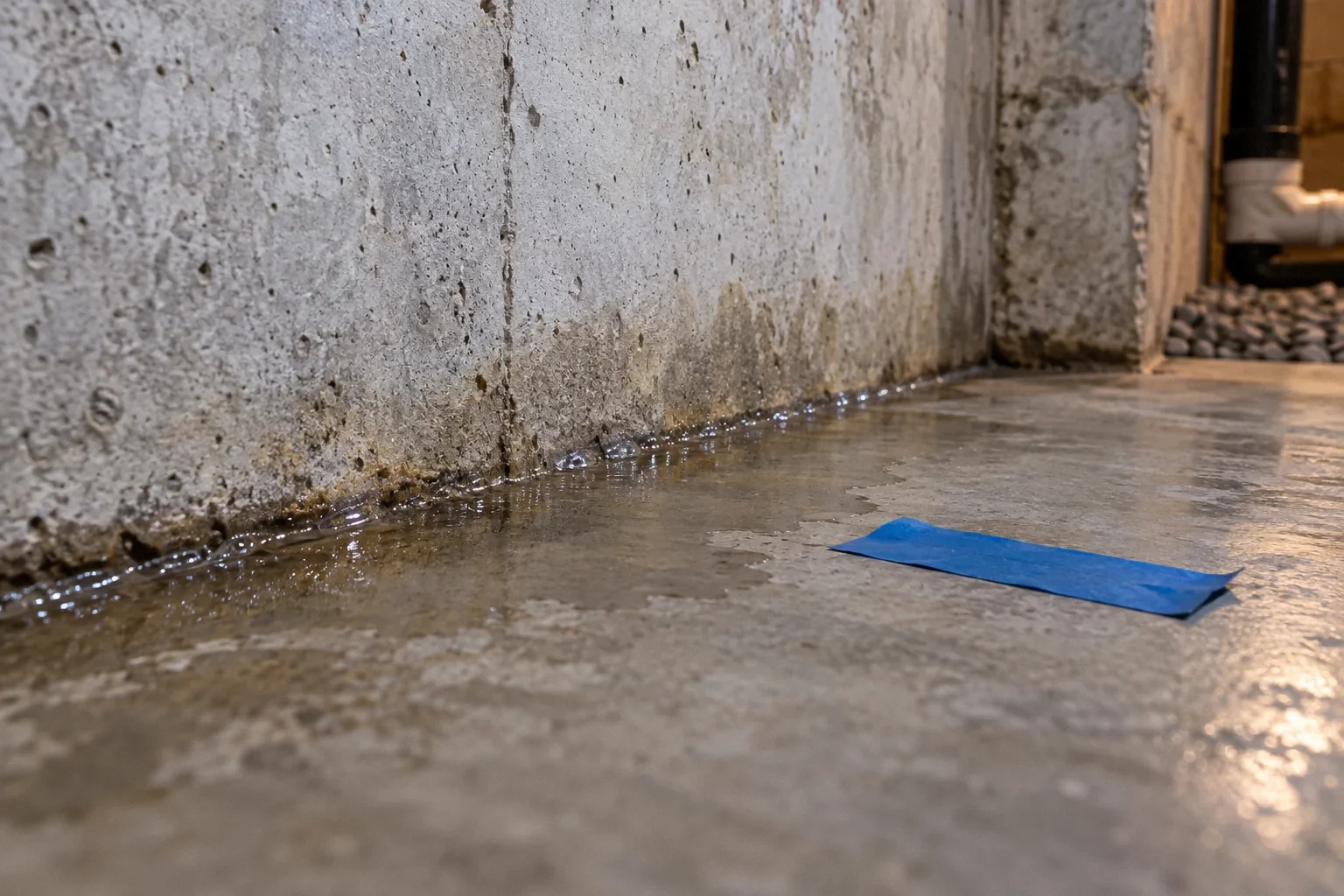
The DOE guidance on basement drains and sump pumps explains the collection and discharge components of groundwater management. Ask the providers to identify each water source and its route on the same plan. Confirm that discharge arrangements comply with local requirements rather than assuming a sump can be connected to any convenient sewer line. If water arrives both at the wall-floor joint and through a floor drain, the basement may have more than one problem. The scope should not force all observed water into a single explanation simply because one device is easier to sell.
Keep the valve accessible and maintained
Debris, damage or lack of maintenance can affect a device's operation. Follow the specific manufacturer's instructions and the local program or plumbing requirements applicable to the installation. A generic annual reminder is not a substitute for those instructions, particularly after an event or when the valve's condition is uncertain.
Plan the access before new flooring or cabinetry covers the location. Ask what inspection and service require, who should perform them and what records should be kept. Do not enter contaminated water or open a sewage system merely to check whether the valve moved. Have the installer demonstrate normal owner observations under safe conditions and identify signs that call for professional service. Record the product and location on the home's plumbing plan so future finish work does not conceal a component whose function depends on access.
A hypothetical basement with two different flooding paths
Suppose a homeowner experiences sewage at a basement floor drain during a neighborhood sewer event. Months later, clear-looking water appears along an exterior wall during heavy rain. A backwater valve proposal may be relevant to the first event, but its relevance does not establish that it will prevent the second.
The plumber and drainage evaluator review the separate histories and map the plumbing and groundwater routes. The owner obtains a valve scope identifying protected fixtures and a distinct enclosure or drainage scope where supported by the findings. This hypothetical case avoids promising a dry basement from a device that addresses only one pathway. It also gives the owner practical records: event timing, affected locations, professional findings and system-specific maintenance instructions, rather than a single broad label such as waterproofed.
Treat sewage exposure and electrical hazards separately
If a backup has occurred, safety and cleanup come before device selection. Floodwater may be contaminated, and basement electrical equipment can create serious hazards. The CDC guidance on reentering a flooded home cautions against entering water where electrical danger may exist and describes conditions requiring professional help.
Do not judge contamination solely by water clarity or odor, and do not assume a valve installation makes previously wetted materials suitable for immediate enclosure. Appropriate cleanup, removal and drying may be needed after the source is controlled. Keep repair records and photographs for the parties handling the loss. Once safe recovery is underway, use the event evidence to refine protection. A backwater valve is most useful when its purpose, limits and operating responsibilities are understood before the next sewer event.
Before your next decision
- Record affected fixtures and event timing safely.
- Obtain a cause assessment before selecting equipment.
- Mark protected and unprotected plumbing connections.
- Understand fixture-use limits during valve closure.
- Preserve manufacturer-required service access.
- Keep sewage cleanup separate from prevention work.
Related questions
Will a backwater valve stop water at the wall-floor joint?
Not if that water is entering from the ground or enclosure. Identify the source; sewer reverse-flow protection and groundwater control address different pathways.
Can I use every fixture while the valve is closed?
Do not assume so. The protected layout determines where household wastewater can go. Obtain specific operating instructions from the installer.
Is an old floor-drain plug equivalent protection?
No universal substitution can be assumed. Have the drainage layout and intended device reviewed by a qualified plumbing professional under local requirements.
Sources & further reading
- City of Columbus, OhioProject Dry Basement
Municipal sewer-backup prevention and model-specific maintenance examples.
- Centers for Disease Control and PreventionSafety Guidelines: Reentering Your Flooded Home
Flood response safety; opened page reviewed August 24, 2026.
- U.S. Department of Energy / Pacific Northwest National LaboratoryDrain or Sump Pump Installed in Basements or Crawlspaces
Bulk-water collection, sumps and discharge; professional-design overview.
Homeowner questions behind this article
These discussions informed the questions, not the technical answers. Some were available through indexed excerpts; votes and comments are not an engineering assessment.
Research method