The short answer
A repair warranty is useful only when you can identify the covered work, the responsible business, the conditions of coverage and the process for requesting service. Collect the written terms alongside installation, inspection and product records before the project closes. A “lifetime” label does not establish whole-house coverage or guarantee reimbursement for every related expense. Read the actual promise and keep a dated baseline of the completed project.
US general project planning; California requirements and named local examples labeled in the text.
Ask what is warranted, not just for how long
A repair can involve workmanship, purchased products and an expected performance result, each with different promises. Ask the contractor to identify the covered components and locations. Does the warranty concern its installation work, a particular product defect or a defined service response? What outcome is being promised, and what remedy is available if that promise is not met?
California's CSLB home improvement guidance advises obtaining offered labor and material warranties in writing. A brochure or sales phrase may leave important details unresolved. Request the actual document associated with the completed work and verify the business name and property identification before filing it away.
Keep different promises in separate categories
Scroll horizontally to read every column.
| Document | Question to ask |
|---|---|
| Contractor workmanship warranty | Which installation work is covered and who performs the remedy? |
| Manufacturer warranty | Which product, installation conditions and claim procedure apply? |
| Service contract | What paid service is purchased, with which exclusions and fees? |
| Inspection approval | What official or professional review occurred, rather than what future remedy is promised? |
| Maintenance plan | What ongoing inspections or service tasks have been agreed? |
Do not combine these into an assumption that someone guarantees every future condition in the basement. Each document should be read for its own scope and responsible party.
Read exclusions and remedies with the same care
Identify what happens after a covered problem is reported. The promise may provide inspection, adjustment, repair or replacement under stated conditions. Determine whether access work, damaged finishes, accommodation expenses or other consequential costs are addressed. Silence should not be treated as confirmation that all related expenses are covered.
The FTC's new-home warranty explanation shows how coverage and remedies can differ by component and agreement. That source concerns new homes; its example durations are not a statutory schedule for foundation repairs. The transferable lesson is to read the actual terms and claim procedure. Do not turn a builder-warranty example into a universal rule for a repair contractor.
Collect the installation record before the crew leaves
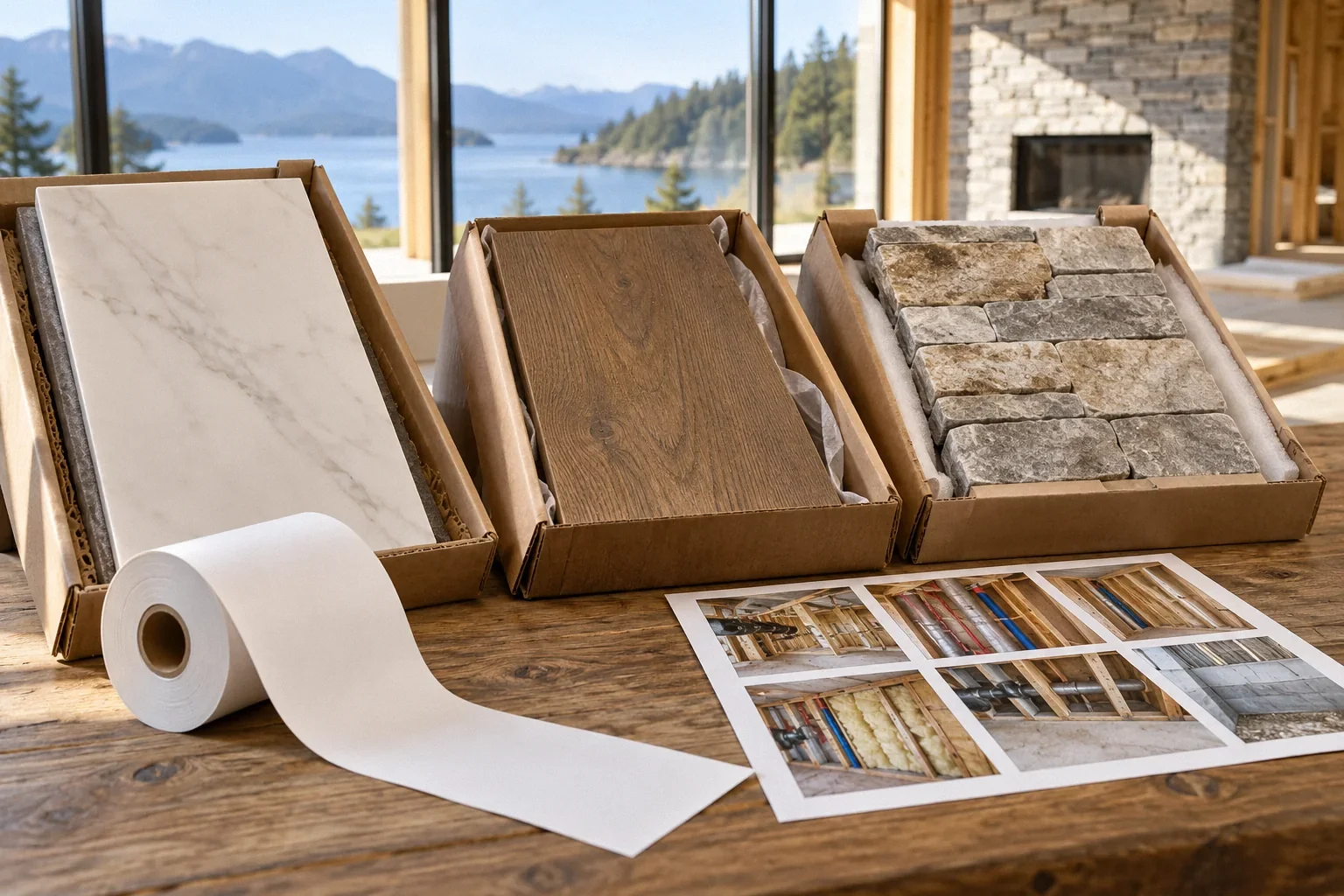
Keep the agreed scope, final changes and documents identifying where the repair was installed. Depending on the project, useful records may include approved revisions, product designations, delivery information, relevant photographs and professional observation or test reports. Ask for the records specified by the contract and design, rather than creating an arbitrary list of tests after completion.
Concealed work deserves early planning. If a particular stage needs to be documented before covering, arrange that during construction. A final photo of a clean room cannot show every hidden component. At handover, check that the images and reports refer to this property and identifiable work areas. Unlabeled files can be difficult to use when the original supervisor is no longer available.
Separate a finished room from administrative closeout
Visible completion and permit closeout can occur on different dates. Ask for the final status of the relevant permits and any outstanding correction or report. Keep approved plan changes with the original drawing set so future readers can understand which version was built.
San Jose's final inspection requirements illustrate the importance of final letters from relevant special-inspection, soils and structural-observation work. Your local process may differ. A warranty does not replace those required records, and an inspection approval does not replace warranty terms. Treat both as distinct parts of the handover packet rather than accepting one when the other is missing.
Record the maintenance duties you can actually perform
Read any inspection, drainage, service or notification obligations stated in the warranty and product instructions. Ask for clarification where a duty is vague. Identify which tasks are ordinary owner maintenance and which require a qualified service provider. Do not undertake structural adjustments or enter unsafe areas simply because a warranty uses the word “maintenance.”
Set reminders only for defined obligations and keep evidence of completed service. If a condition changes, document it promptly and ask the responsible professional what it means for the covered work. A maintenance log should be a factual record, not a retrospective effort to make the property appear perfectly maintained. Preserve reports even when they identify an unresolved problem.
Create a useful baseline without claiming certainty
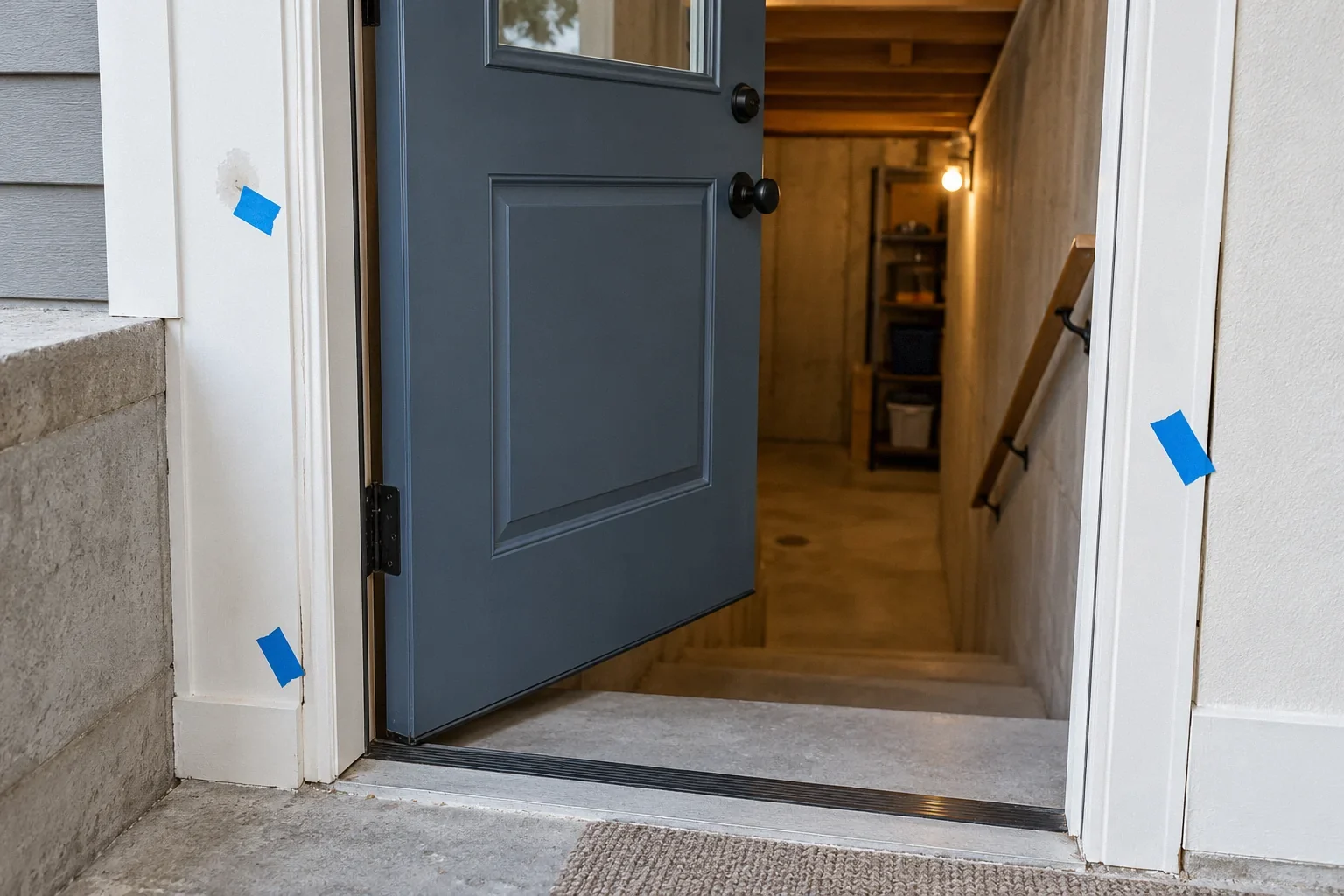
At completion, record the work areas, visible finishes and any agreed remaining conditions. If professional monitoring or measurements form part of the project, retain their methods and reference information. Do not invent new measurements merely to create a reassuring certificate, and do not describe an owner's casual photograph as an engineering assessment.
List pre-existing conditions that the repair was not intended to change. For example, the parties may agree that particular old finish damage remains outside the scope. This helps distinguish a future concern from an unchanged condition, while leaving technical interpretation to the appropriate professional. A baseline improves comparison; it cannot prove that no hidden defect existed or guarantee future performance.
A hypothetical claim with and without good records
Suppose a homeowner notices a new concern near completed repair work and contacts the warranty issuer. With a clear file, the owner can identify the covered location, completion date, current observation and applicable warranty clause. The company can respond to a defined request and arrange the relevant inspection.
Without that file, both parties may spend time establishing which work was installed, whether a later alteration affected it and what the original promise covered. A buyer discussion about a limited lifetime foundation warranty illustrates uncertainty about coverage when a new concern appears. The practical answer is not to assume that the label settles the issue; obtain the complete terms and a written response addressing the actual condition.
Submit a factual claim and keep the response
Follow the stated notice procedure, identify the observed concern and include relevant records. Ask for confirmation of receipt and the proposed next step. Keep copies of reports, appointments and explanations of coverage or denial. A denial should be understood in relation to the specific terms and facts rather than accepted or rejected solely because it is delivered confidently.
Do not delay necessary protection of the property merely to preserve an untouched scene. Document urgent action and consult appropriate professionals about the condition. If the parties disagree about responsibility, obtain advice specific to the contract and jurisdiction. Regulatory complaints, insurance claims and civil remedies have separate purposes and requirements; none is automatically resolved by the warranty's marketing name.
Use filenames and a short index that identify the document, issuer and date. Keep the issued version of a report as well as any later correction or supplement, clearly distinguished. A backup copy protects against loss, but an organized index protects against a different problem: having the necessary evidence and being unable to recognize which version applies when service is needed.
Before your next decision
- Obtain the issued warranty for the correct property and work.
- Identify exclusions, remedies and notice requirements.
- Collect permit finals and required professional records.
- Keep product information and approved substitutions.
- Record defined maintenance and a dated completion baseline.
Related questions
Does lifetime mean my entire house is covered forever?
No. The document may define a particular duration, covered component, remedy and conditions. Read those definitions rather than relying on the label alone.
Can I rely on a verbal warranty promise?
Ask for the promise in writing with the completed project's identification. Written terms make scope, responsible party and claim procedure easier to establish.
Should I keep records after selling the property?
Keep appropriate copies and provide relevant records through the transaction process. Transfer rights and requirements depend on the actual warranty; do not assume they occur automatically.
Sources & further reading
- CSLBLearn About Home Improvement Contracts
California home improvement contracts
- Federal Trade CommissionWarranties for New Homes
United States new-home builder warranty education; not a universal repair warranty statute
- City of San JoseFinal Inspection Building Requirements
San Jose final inspection
Homeowner questions behind this article
These discussions informed the questions, not the technical answers. Some were available through indexed excerpts; votes and comments are not an engineering assessment.
Research method