The short answer
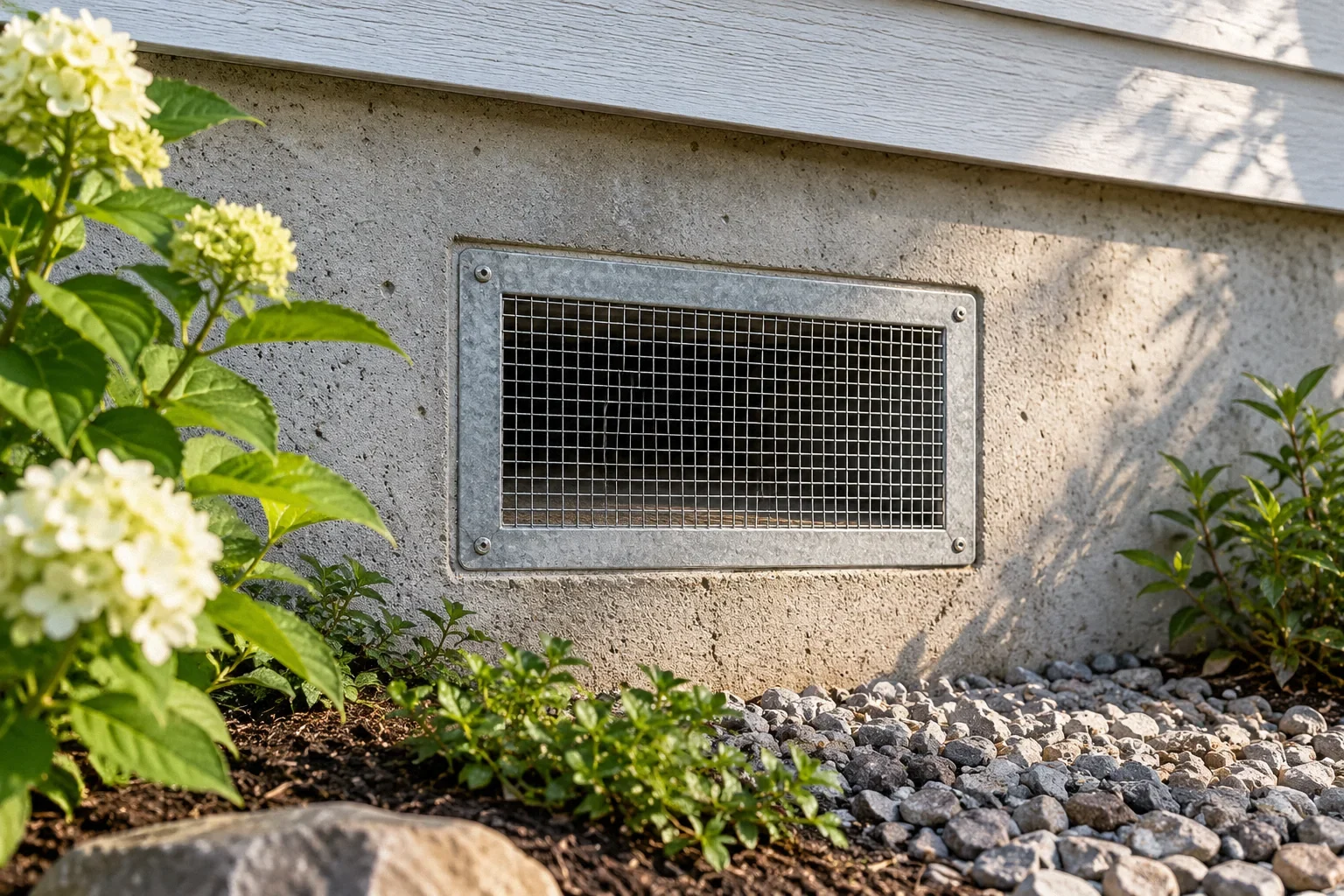
Crawl space access should keep unintended water and pests out while remaining usable for inspection and service. Start by identifying the access door, vents, flood openings and utility penetrations separately. Repairing a door perimeter is different from sealing a required opening. Durable exclusion materials and a clear service route matter, especially when valves, ducts or a sump can only be reached through that hatch.
US general planning; local code examples and manufacturer-specific requirements are identified where used.
Make an opening map before filling anything
Mark the access door, ordinary vents, possible flood openings and major utility penetrations on a simple sketch of the house. Identify which opening actually provides entry to the crawl space and whether an addition, deck or landscaping has obstructed it. A gap at a corner may be an unintended defect, but its appearance alone does not tell you what is behind it.
From accessible areas, photograph the opening and its relation to surrounding surfaces. Do not remove soil around supports or dismantle an unknown assembly simply to improve the view. An opening that is difficult to understand deserves inspection before permanent filling. The map is useful when speaking with a pest provider or contractor because it distinguishes the intended access route from the smaller defects that may be allowing animals or water into the space.
Why apparently small gaps deserve attention
CDC’s rodent-exclusion guidance notes that mice can enter very small openings and identifies crawlspace vents, doors and service penetrations as inspection locations. A door that appears mostly closed can still have a usable gap at a corner or where the frame has moved. Screening that looks intact from the street may be detached at an edge.
Check the reachable perimeter rather than judging only the center of the panel. Look for gnawing, displaced material and repeated disturbance, while avoiding contact with animal waste. If the infestation extends into inaccessible areas, professional pest help may be appropriate. Exclusion should be coordinated with management of animals already inside; otherwise an owner may seal a visible opening yet leave the underlying infestation unresolved. Do not rely on an attractive replacement hatch as proof that every entry path has been addressed.
Water at the door needs its own explanation
A crawlspace door can admit rain directly, receive runoff from nearby surfaces or sit below an area where water accumulates. These are different mechanisms. Weather stripping may improve a small air gap but cannot be assumed to withstand water ponding against an opening. A cover that sheds ordinary rain may still be overwhelmed by concentrated roof discharge.
Observe where water approaches the access area during rain from a safe location. Note downspout outlets, adjacent hard surfaces and visible waterlines. DOE’s closed-crawlspace guidance treats enclosure connections as part of a system; it does not make door replacement a substitute for water management. If the opening is routinely submerged or the surrounding construction is deteriorated, the assessment should address the source and assembly together. Avoid simply sealing the inside face where water has already entered and spread into concealed materials.
Preserve ventilation and flood functions
Ordinary ventilation openings and flood openings must not be treated as interchangeable pest holes. A screen or cover should remain compatible with the required function. Blocking an opening because it admits cold air or looks untidy can affect more than comfort, particularly where flood pressure equalization is part of the building’s design.
DOE’s flood-resistant crawlspace guide explains why openings in flood-risk situations have a specific role. Before changing them, establish which requirements apply to the property. The appropriate detail may differ from an ordinary vented crawlspace screen or an encapsulated-space closure. If an installer proposes sealing every opening, ask how each was identified and how the relevant functions are preserved. A comprehensive exclusion project should produce fewer unintended entry paths without quietly removing a necessary building feature.
Choose a repair that remains maintainable
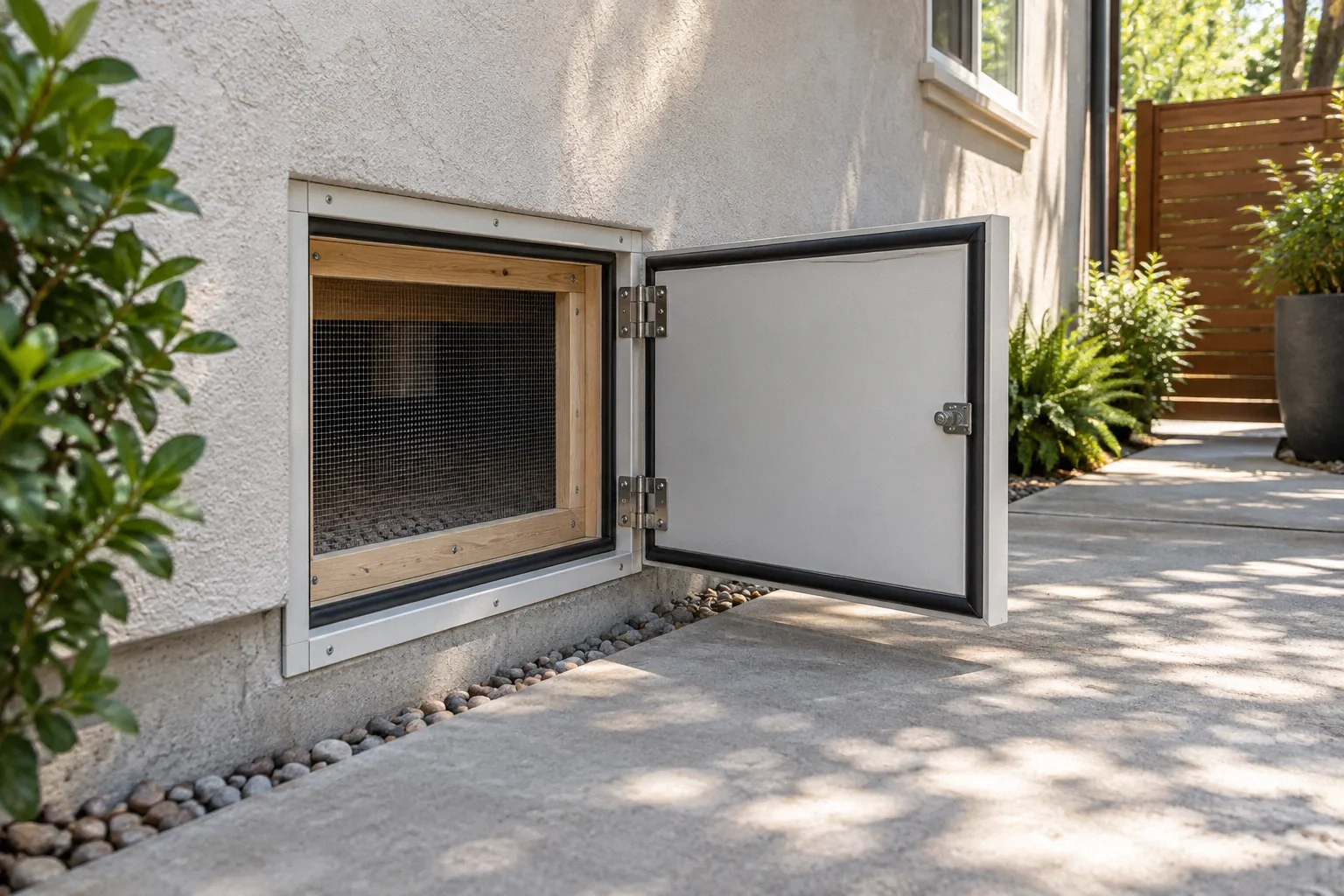
The access assembly should be durable enough for its exposure and repeated use. Consider the panel, frame, fasteners or latch, perimeter seal and the landing or approach needed to open it. A closure that requires demolition each time a valve needs attention is not practical service access. Nor is an unlocked panel that cannot stay securely closed.
Ask what material will be used for larger pest gaps and how it will attach to the surrounding construction. CDC lists durable options for larger openings, but selecting among them still depends on the building detail. Coordinate penetrations so later cable or plumbing work can be sealed again. Keep the access route free of stored materials. The quality of a repair includes how easily a future technician can identify, open, close and restore it, not only how neat it looks on installation day.
A hypothetical porch blocking the only hatch
Suppose a homeowner discovers mice entering a rear corner and decides to fill the opening with concrete. A separate porch addition has already blocked the original crawlspace hatch. Filling the corner without further review might remove the only remaining way anyone can inspect a plumbing leak below the house.
The sensible next step is to determine what access is required and how a proper route can be restored, while separately assessing the rodent gap and water exposure. This hypothetical situation does not make an unintended hole an acceptable permanent doorway. It demonstrates why exclusion and access need to be considered together. The final result should provide a deliberate, serviceable opening and durable repairs to the unintended paths, rather than making the crawl space impossible to inspect in the name of keeping pests out.
Check the repair after use and weather
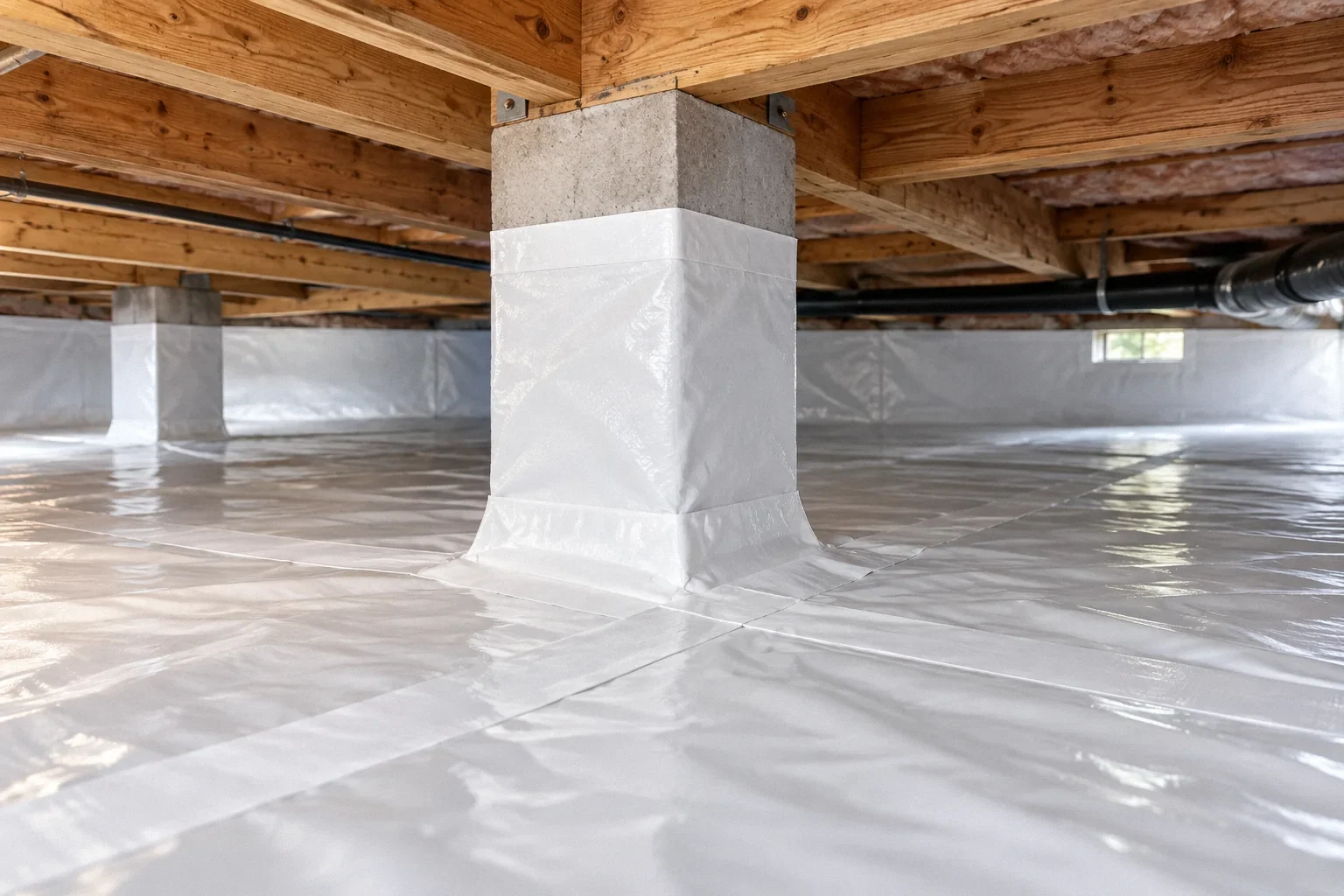
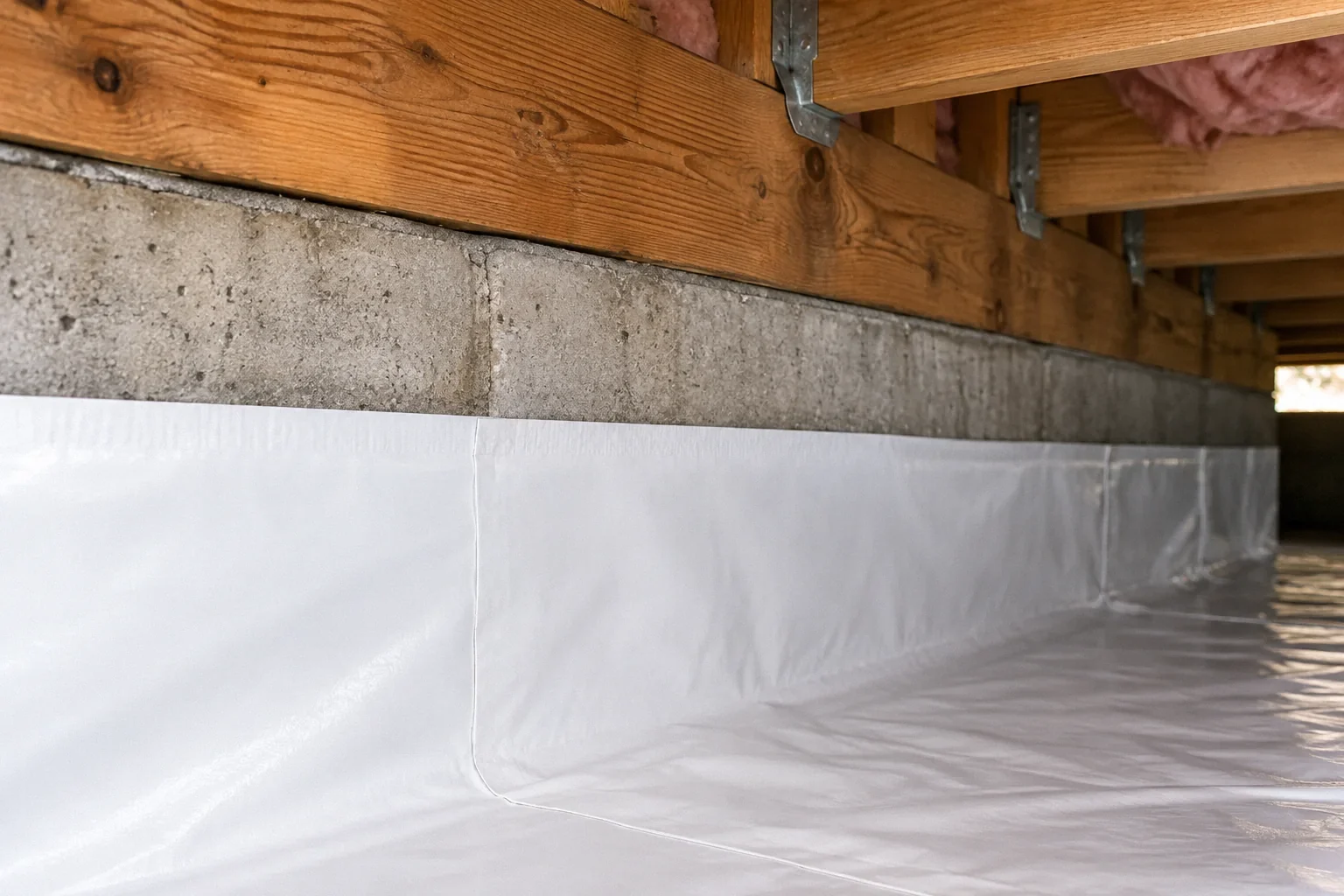
After the work, open and close the access assembly and verify that the seal returns to its intended position. Confirm that the panel can be handled without damaging nearby utilities or the ground liner. Take photographs showing the closed perimeter and the service route beyond it. These details are easy to lose when vegetation or stored equipment later obscures the opening.
Recheck after a period of rain and after the first maintenance visit. Look for new water marks, a displaced screen, loose attachments or damage to the liner where people travel. Continued animal evidence should prompt a search for remaining paths rather than repeated sealing of the same already sound door. A small inspection record makes it easier to distinguish a failed repair from a newly created opening elsewhere in the enclosure.
Before your next decision
- Map all openings and identify the actual access route.
- Photograph reachable gaps and signs of water entry.
- Separate rodent exclusion from water-source correction.
- Preserve required ventilation and flood functions.
- Keep the panel operable and utilities reachable.
- Reinspect after rain and the next service visit.
Related questions
Can I permanently fill an unused access opening?
First establish whether it is required or is the only practical service route. A crawl space that seems unused can still contain plumbing, wiring or structural areas needing inspection. Permanent closure should follow a deliberate access plan.
Will spray foam alone stop mice?
Do not assume so. The opening size, surrounding construction and durable exclusion detail matter. Review suitable materials and existing infestation with a pest professional when the path or affected area is uncertain.
Should I screen every opening?
Only with a detail compatible with the opening’s function. Ordinary vents, access doors and flood openings have different requirements. Identify them before installing screens or covers.
Sources & further reading
- Centers for Disease Control and PreventionHow to Seal Up to Prevent Rodents
Rodent exclusion, published April 8, 2024; reviewed live at the www URL.
- U.S. Department of Energy / Pacific Northwest National LaboratoryUnvented, Insulated Crawlspaces
Closed crawlspace systems; construction guidance with multiple code editions, not proof of locally adopted code.
- U.S. Department of Energy / Pacific Northwest National LaboratoryFlood-Resistant Crawlspace Foundations
Flood-prone-site exception to ordinary closed-crawlspace moisture guidance.
Homeowner questions behind this article
These discussions informed the questions, not the technical answers. Some were available through indexed excerpts; votes and comments are not an engineering assessment.
Research method