The short answer
Test with the basement’s intended use in mind and follow the device instructions and applicable testing protocol. EPA homeowner guidance uses the lowest lived-in level and recommends retesting when living patterns change to occupy a lower level. Short tests, long-term averages and real-estate testing have different contexts. Testing before finishing can inform mitigation planning, but results and system performance still need appropriate follow-up after building changes and occupancy.
US general planning; local code examples and manufacturer-specific requirements are identified where used.
Connect the test to how the basement will be used
A storage basement used briefly each week is different from a planned bedroom, office or exercise room occupied regularly. Write down both present and intended use before deciding what information the test should provide. This helps avoid a result taken upstairs being treated as a complete answer for a future room below.
EPA’s Citizen’s Guide to Radon describes homeowner testing on the lowest lived-in level and retesting when living patterns change to include a lower level. Follow the actual test-device instructions and relevant protocol rather than inventing a personal definition of regular use. A transaction test may follow a different placement context from ordinary homeowner testing. If that distinction matters to the project, ask a qualified tester to identify the protocol being used and the question the result can answer.
Prepare the location and conditions carefully
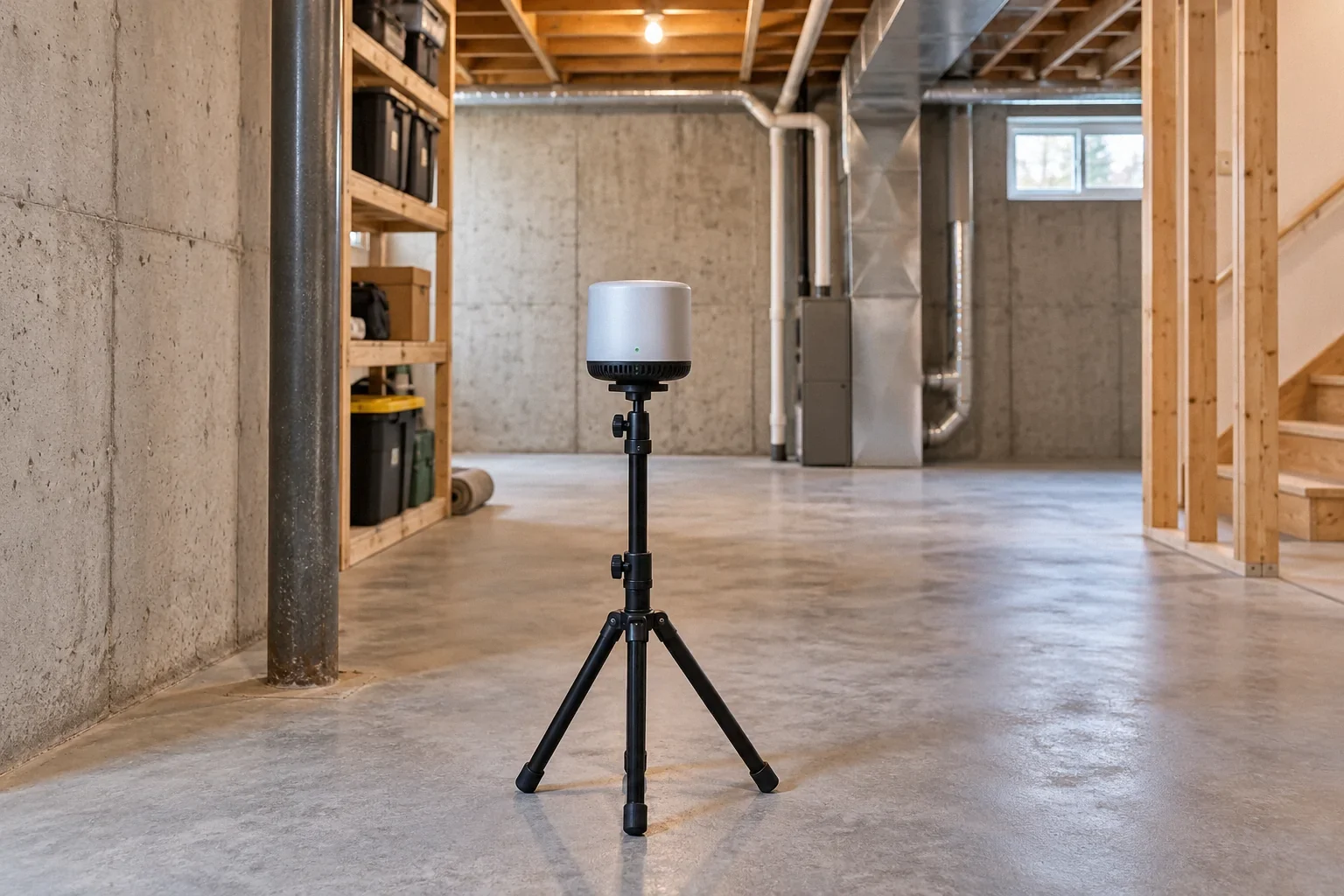
A radon test should be placed and operated according to its instructions, including the room, position, duration and required building conditions. Avoid treating the most convenient shelf, a sump opening or a drafty construction area as automatically suitable. The result is meaningful only in the context of how it was obtained.
Keep a record of the device or laboratory, location, dates and any departure from the instructions. Note major building work or unusual operating conditions that could affect interpretation. This is especially useful during basement finishing, when open doors, temporary ventilation and active construction may differ from normal occupancy. Do not attempt to improve a test result by changing the house temporarily. The objective is to obtain information that supports a sound exposure and mitigation decision for the way the home will actually be used.
Understand what the duration does and does not show
Radon levels vary over time. A short-term test can provide useful information quickly, while a long-term test is more representative of average conditions over its measurement period. A monitor’s daily spike should not be confused with a confirmed annual average, and a low short reading does not prove that future conditions cannot change.
EPA’s guide explains a follow-up decision sequence. Use that sequence rather than selecting whichever reading is most reassuring. Keep the original reports together so differences in device, placement and duration remain visible. If the result is near an action level or conflicts with other measurements, a qualified tester can help establish the appropriate next test. The important question is not whether one number “passes,” but whether the evidence is sufficient for the decision about mitigation and future occupied use.
Use the action level without calling lower results risk-free
EPA recommends reducing radon when levels are confirmed at 4 pCi/L or above and explains that lower levels still carry risk. The action level is not a boundary separating harmful air from perfectly safe air. Presenting it that way can mislead a homeowner who sees readings just below the number.
Discuss the result in its testing context, including whether follow-up is needed and what reduction options are available. Avoid making a medical conclusion from a household monitor or diagnosing individual exposure effects. The practical response is to follow established testing and mitigation guidance. A planned occupied basement offers an opportunity to consider this before finishes make access harder. The presence of a new slab, an existing fan or a builder’s radon-resistant feature also does not eliminate the need to test the completed occupied home.
Plan mitigation before hiding useful routes
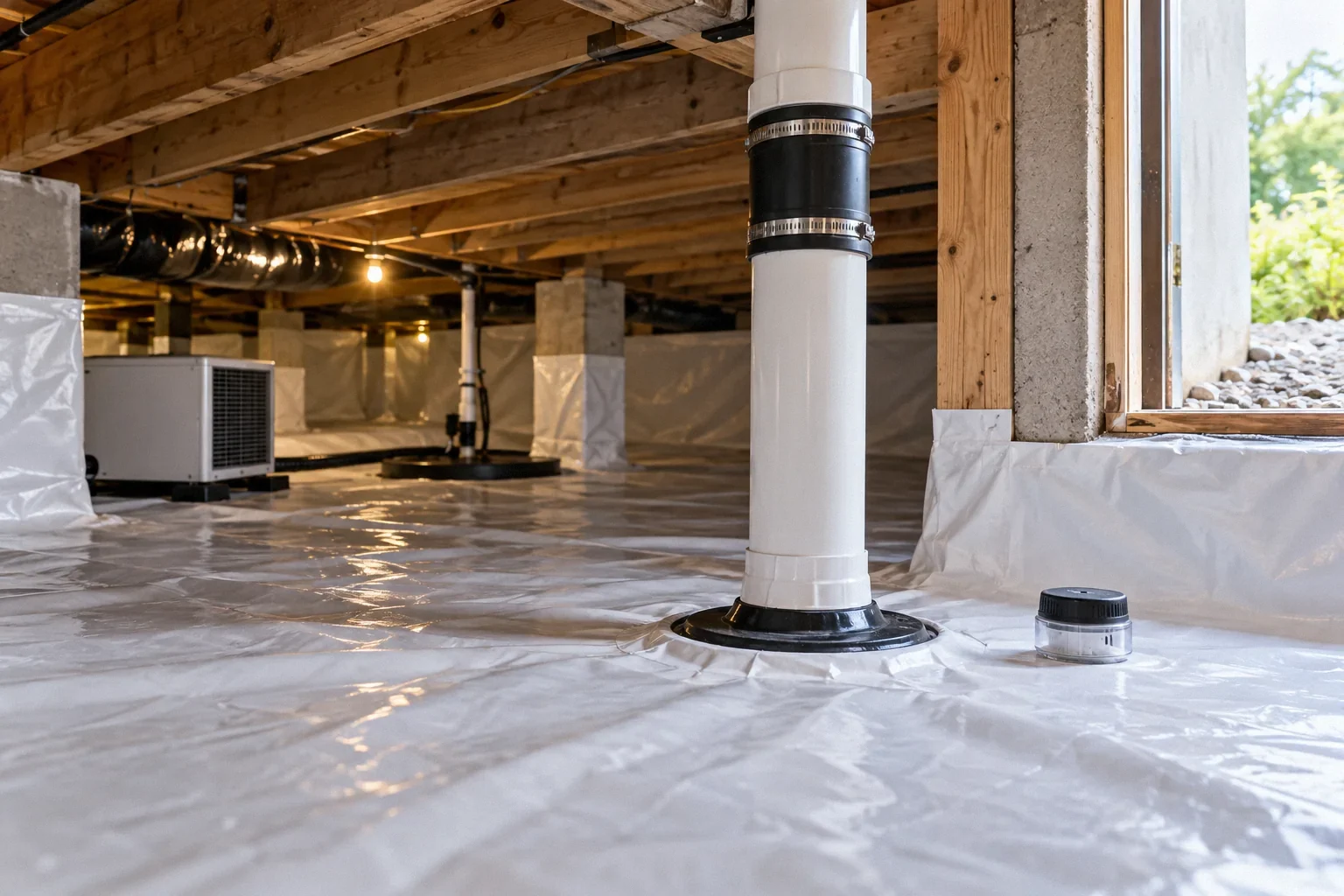
EPA’s radon-reduction guide describes approaches that depend on the foundation arrangement, including subslab, sump-related and crawlspace methods. An existing house can have more than one foundation type, so the visible basement area may not be the whole mitigation problem. A qualified provider should evaluate those connections.
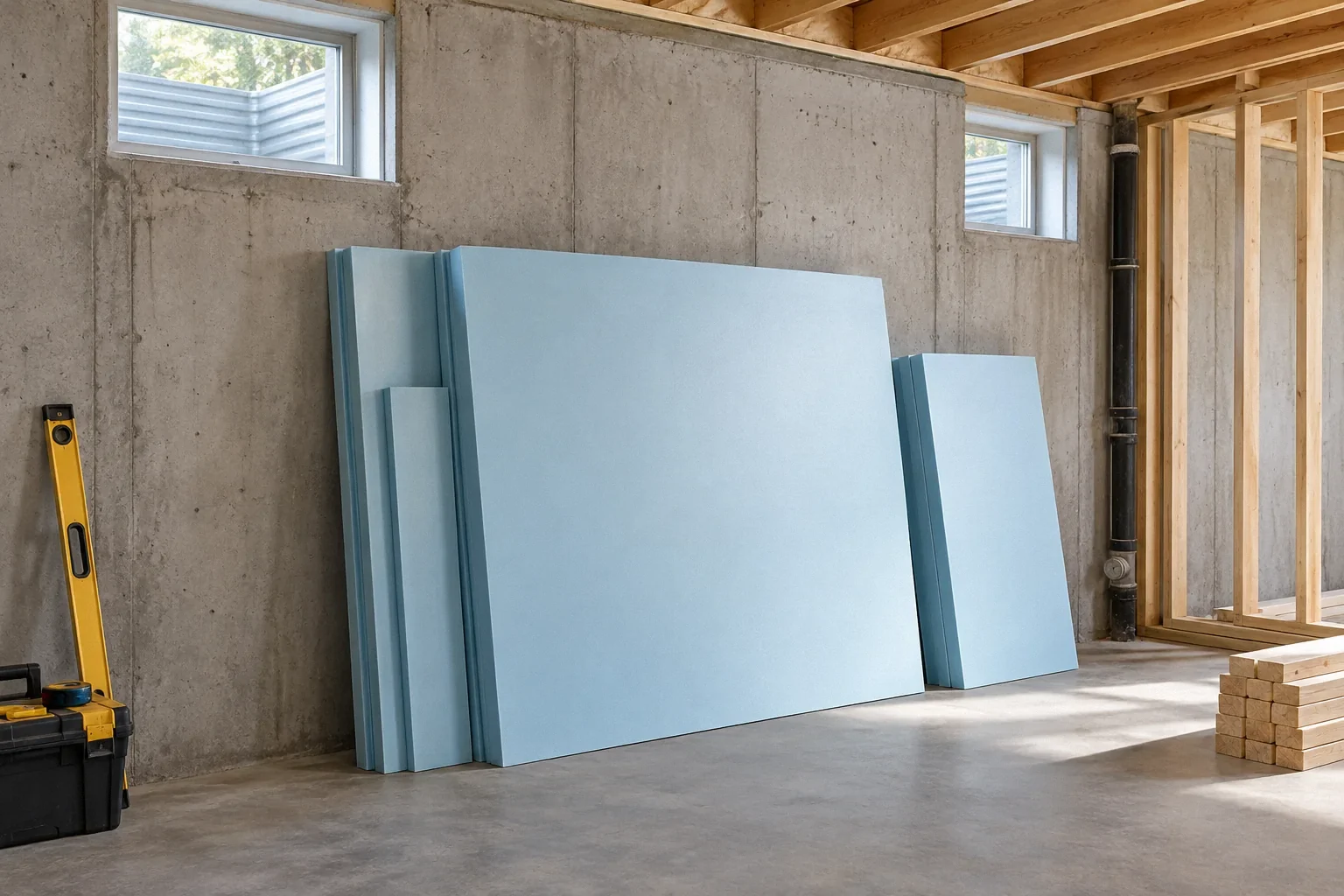
Before framing and drywall, discuss potential piping, fan location, access to sumps and the interaction with drainage. Do not cover a service point merely because no system has yet been selected. DOE’s basement-insulation guidance includes radon among the issues to assess before insulating. This makes radon planning part of the sequence, rather than a late accessory. It does not mean every basement needs the same equipment or that a homeowner should install a suction system based on a generic diagram.
A hypothetical office in an occasionally used basement
Suppose an owner tested the first floor years ago and now plans to spend each workday in a finished basement office. The old result remains part of the house record, but it does not automatically answer the new occupancy question. Testing appropriate to the planned use can identify whether mitigation needs to be incorporated into the project.
If reduction work is indicated, the owner can coordinate access and routing before the walls close. After mitigation and relevant building changes, verification testing checks the completed condition. This hypothetical example does not imply that finishing inevitably raises radon. It shows that the use and configuration of the house have changed, so relying exclusively on a historical result from another level would leave an important gap in the evidence supporting the new workspace.
Keep a testing and system record after completion
Save test reports with location, duration and protocol information, along with any mitigation design and operating instructions. If a system is installed, know what its indicator or alarm shows and what it does not show. An indicator of fan or pressure operation is not itself a measurement of room radon concentration.
Follow the provider’s and applicable guidance for verification and later testing. Revisit the question when occupancy or building systems change, rather than assuming a successful initial result is permanent under every condition. Keep sump covers, monitoring points and equipment accessible after decorating or storage is added. A usable record allows a future owner or technician to distinguish the original test, the mitigation work and the result that verified it. Those are separate stages and should remain identifiable in the project documentation.
Before your next decision
- Describe present and planned use of the lowest level.
- Choose and document the applicable testing protocol.
- Record device, location, dates and unusual conditions.
- Use EPA's follow-up guidance rather than one convenient reading.
- Coordinate mitigation access before finishes conceal it.
- Retain verification results and operating instructions after completion.
Related questions
Should I test an unfinished basement I rarely use?
Consider both current use and the space you plan to occupy, then follow the relevant EPA and device guidance. A qualified tester can help distinguish ordinary homeowner testing from a transaction or planned-use protocol.
Is one high monitor spike enough to decide?
A brief spike is not the same as a confirmed average. Follow the appropriate testing and follow-up sequence, and seek qualified interpretation where results or protocols are unclear.
Does a radon-resistant feature mean testing is unnecessary?
No. A feature or installed system does not prove the resulting room concentration. Testing and appropriate post-installation verification are necessary to establish performance.
Sources & further reading
- U.S. Environmental Protection AgencyA Citizen's Guide to Radon: The Guide to Protecting Yourself and Your Family from Radon
The opened PDF displays a 2025 edition despite its 2016 URL directory.
- U.S. Environmental Protection AgencyConsumer's Guide to Radon Reduction: How to Fix Your Home
The opened PDF displays a 2025 edition; radon mitigation principles and qualified-provider guidance.
- U.S. Department of Energy / Pacific Northwest National LaboratoryAir Sealed, Insulated Basements
Basement thermal boundary and insulation assemblies; details must fit moisture and fire requirements.
Homeowner questions behind this article
These discussions informed the questions, not the technical answers. Some were available through indexed excerpts; votes and comments are not an engineering assessment.
Research method