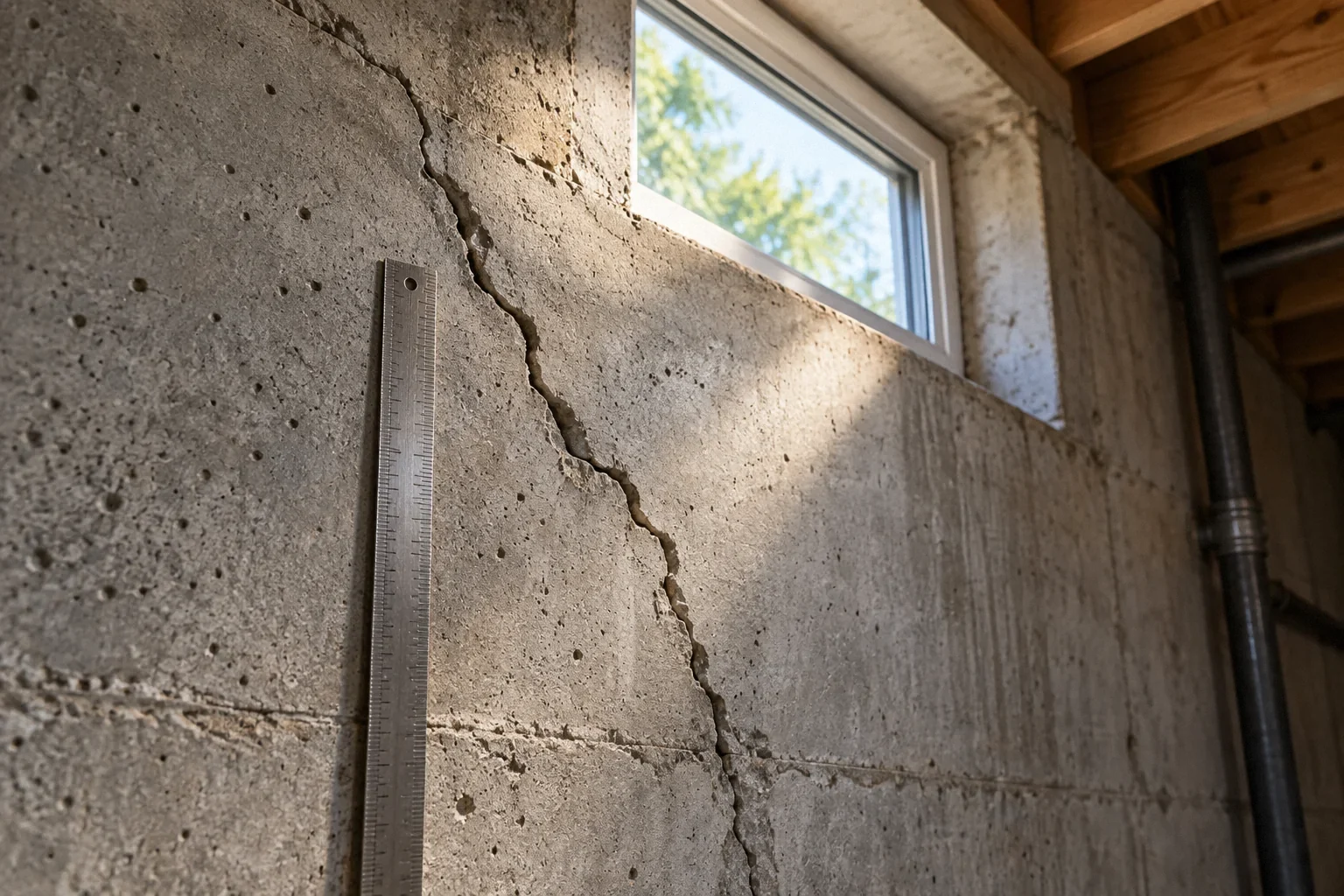
Foundation Crack Patterns: What They Can and Cannot Tell You
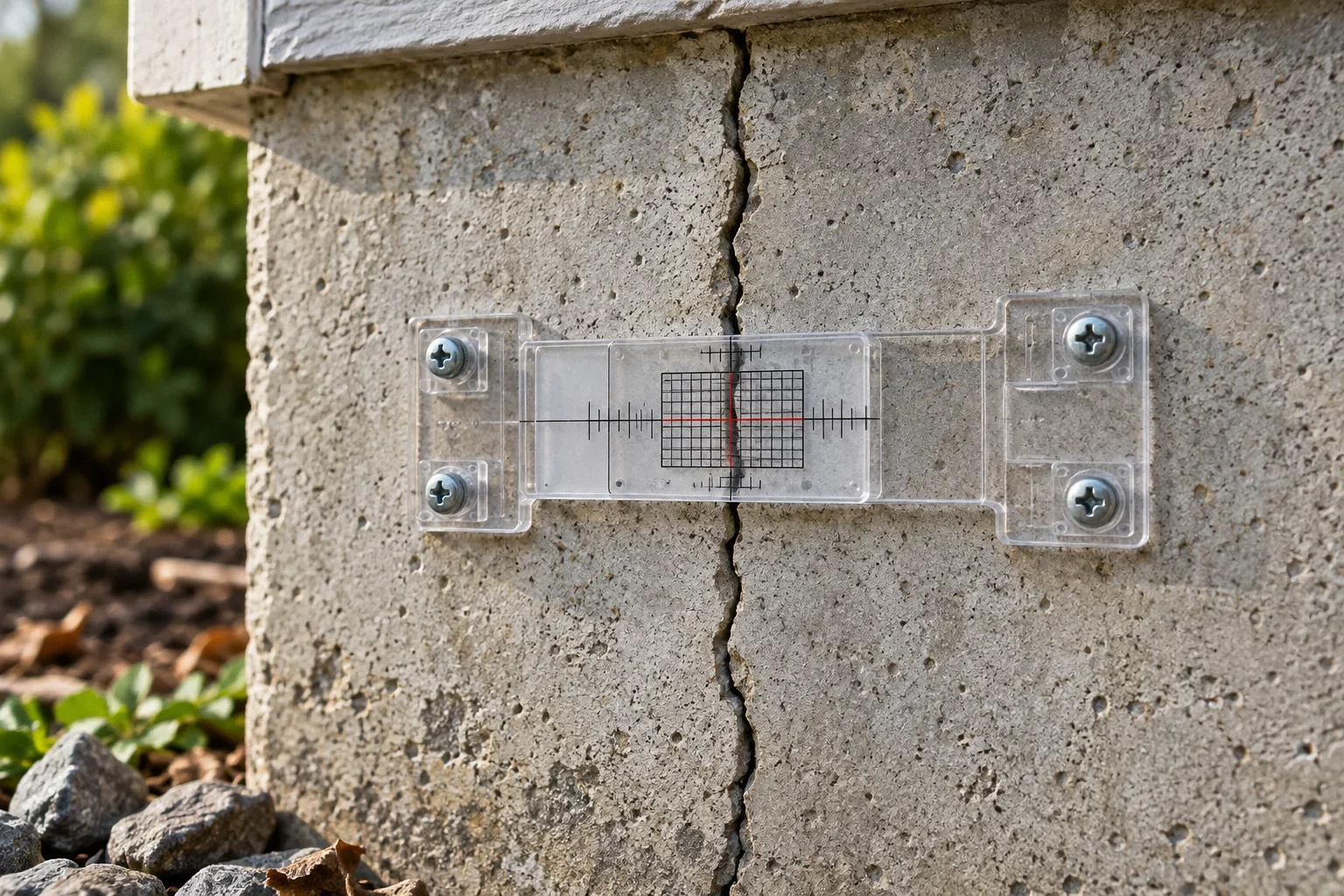
Read foundation crack patterns in context: location, displacement, movement history and related symptoms matter more than a photograph or a width alone.
Read articleHUMAN UNDERGROUND / THE BLOG
Cracks, ground movement and repair decisions.
30 articles
Browse the FAQTry a shorter phrase such as “crack”, “water” or “permit”, or browse all topics.
Read foundation crack patterns in context: location, displacement, movement history and related symptoms matter more than a photograph or a width alone.
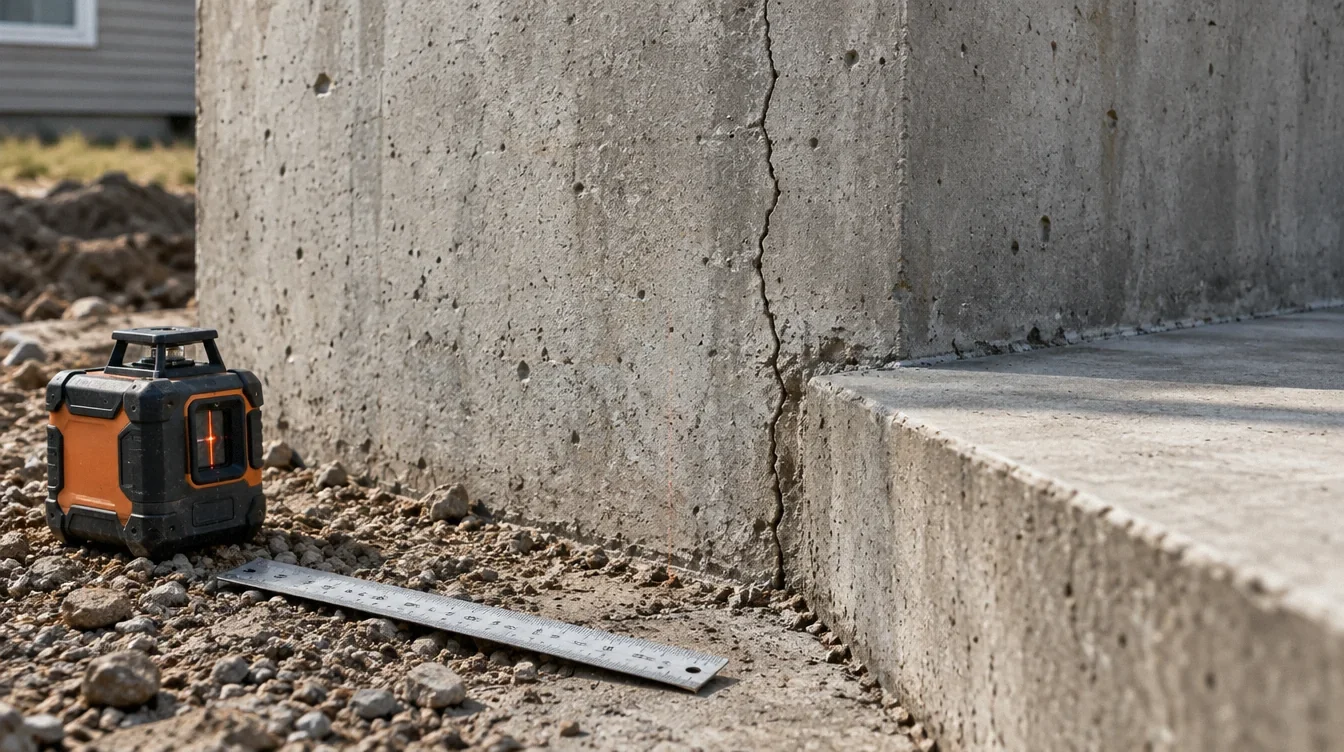
Read articleBuild a useful foundation-crack record with consistent photographs, measurements and follow-up questions, while avoiding false reassurance from a quiet interval.
Read articleA floor elevation survey measures relative height, not automatically recent settlement. Learn what baselines, framing observations and repeat surveys add.
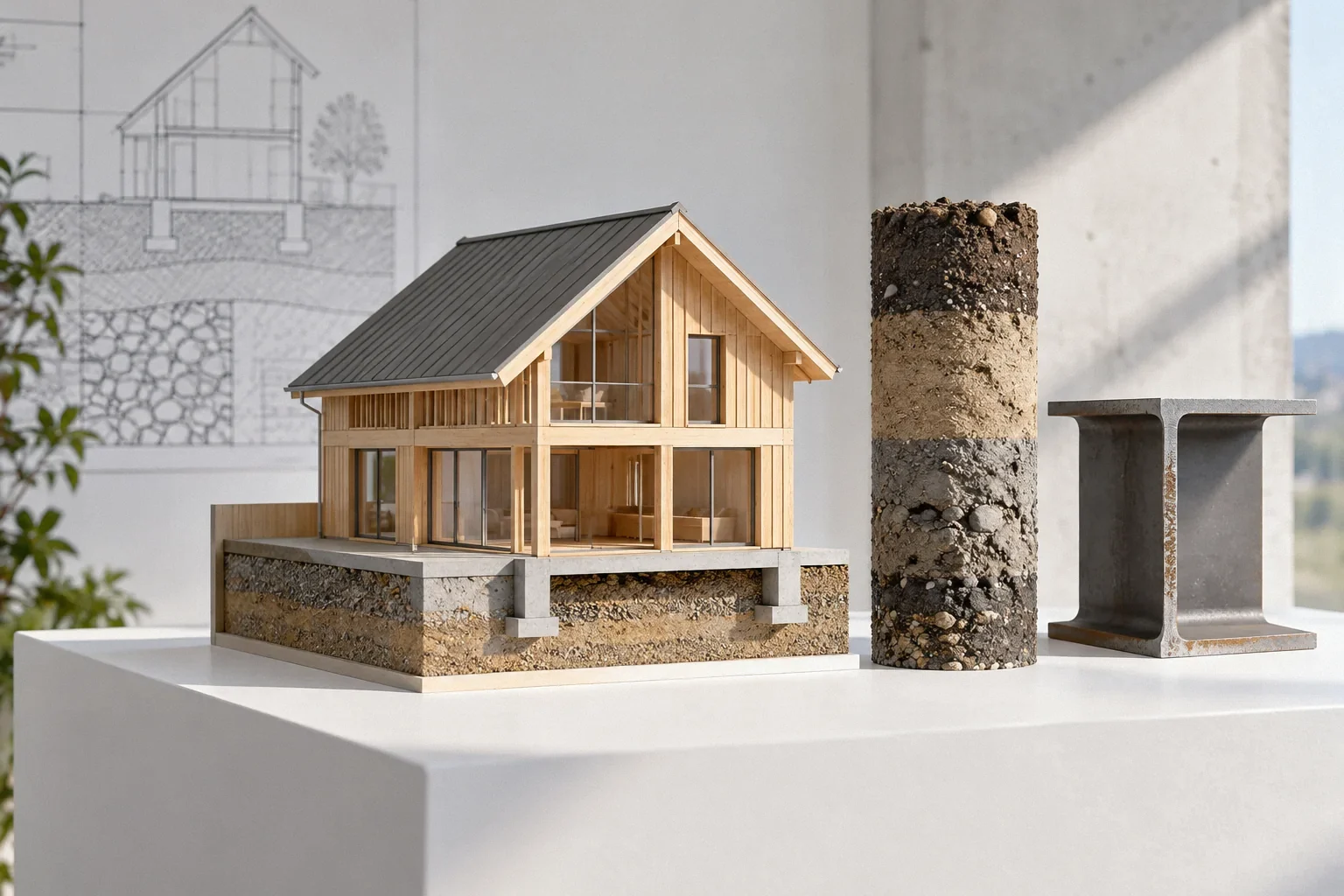
Read articleUnderstand what structural and geotechnical engineers investigate, when their work overlaps, and which missing evidence matters for a foundation decision.
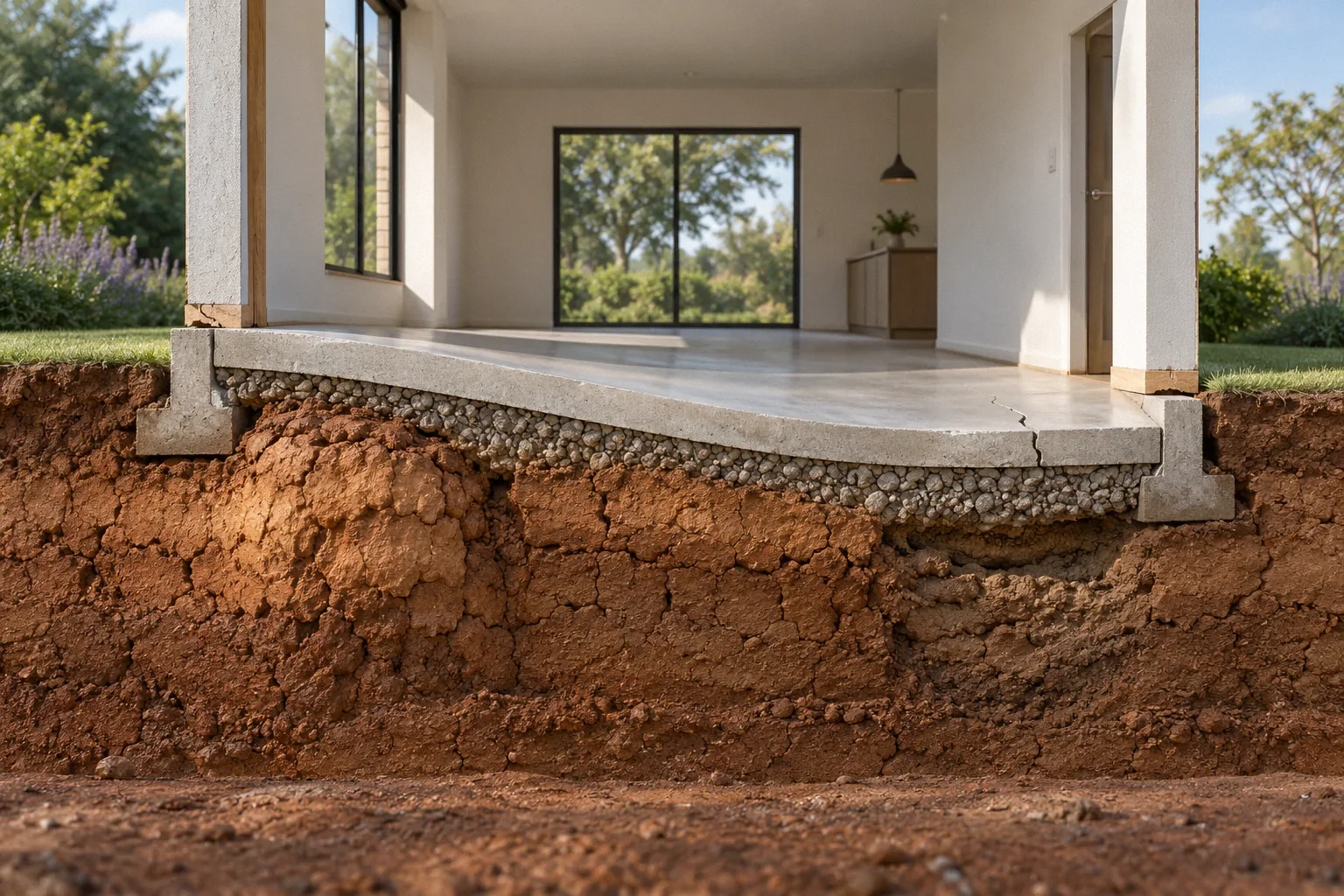
Read articleLearn how settlement and soil heave can produce similar symptoms, why relative floor levels may mislead, and what evidence guides the next investigation.
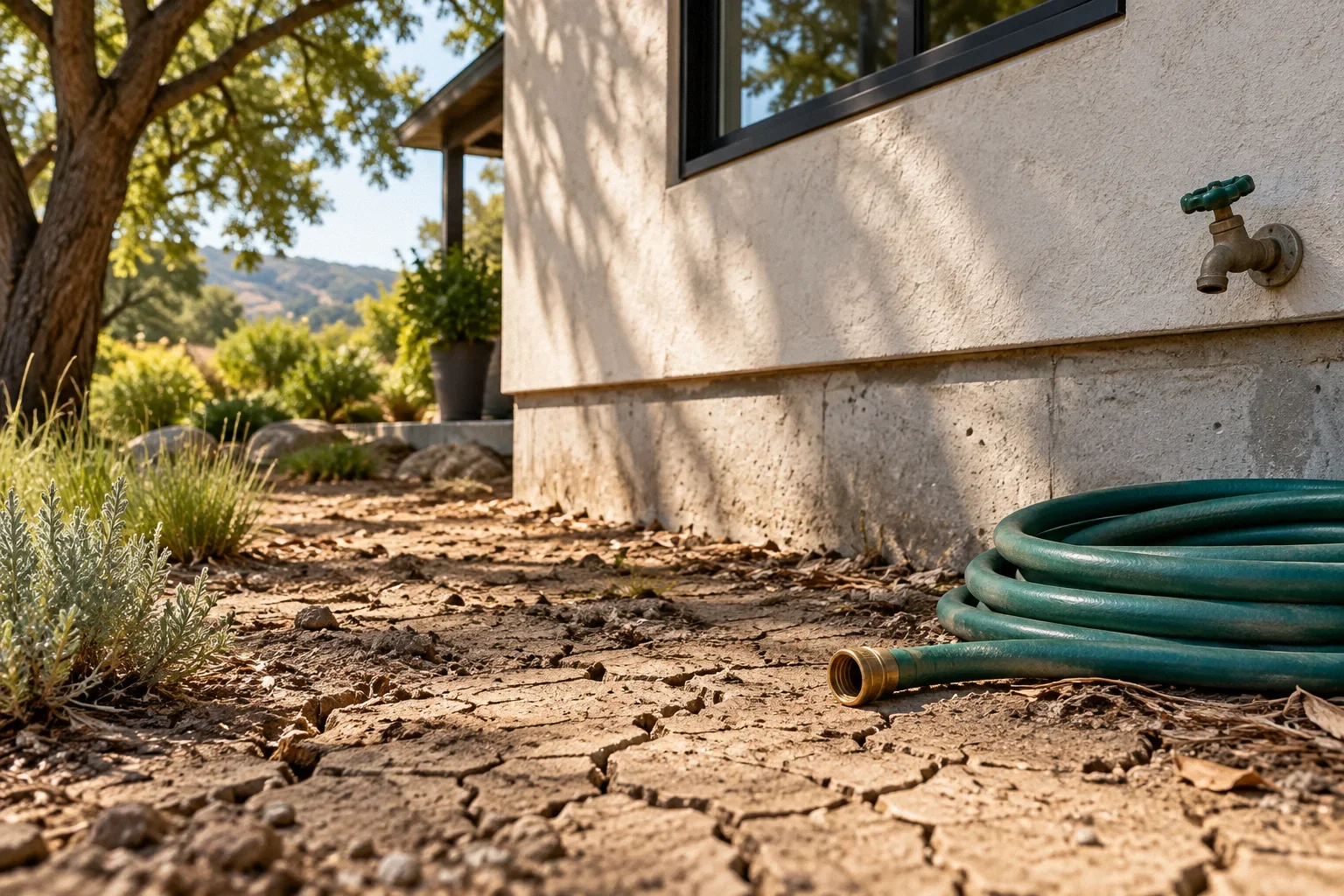
Read articleFoundation watering advice depends on soil and climate. Understand drought gaps, uneven moisture and the questions to resolve before changing irrigation.
Read articleRegional subsidence maps describe broad ground movement. Learn how aquifer compaction differs from local foundation settlement and what a house assessment adds.
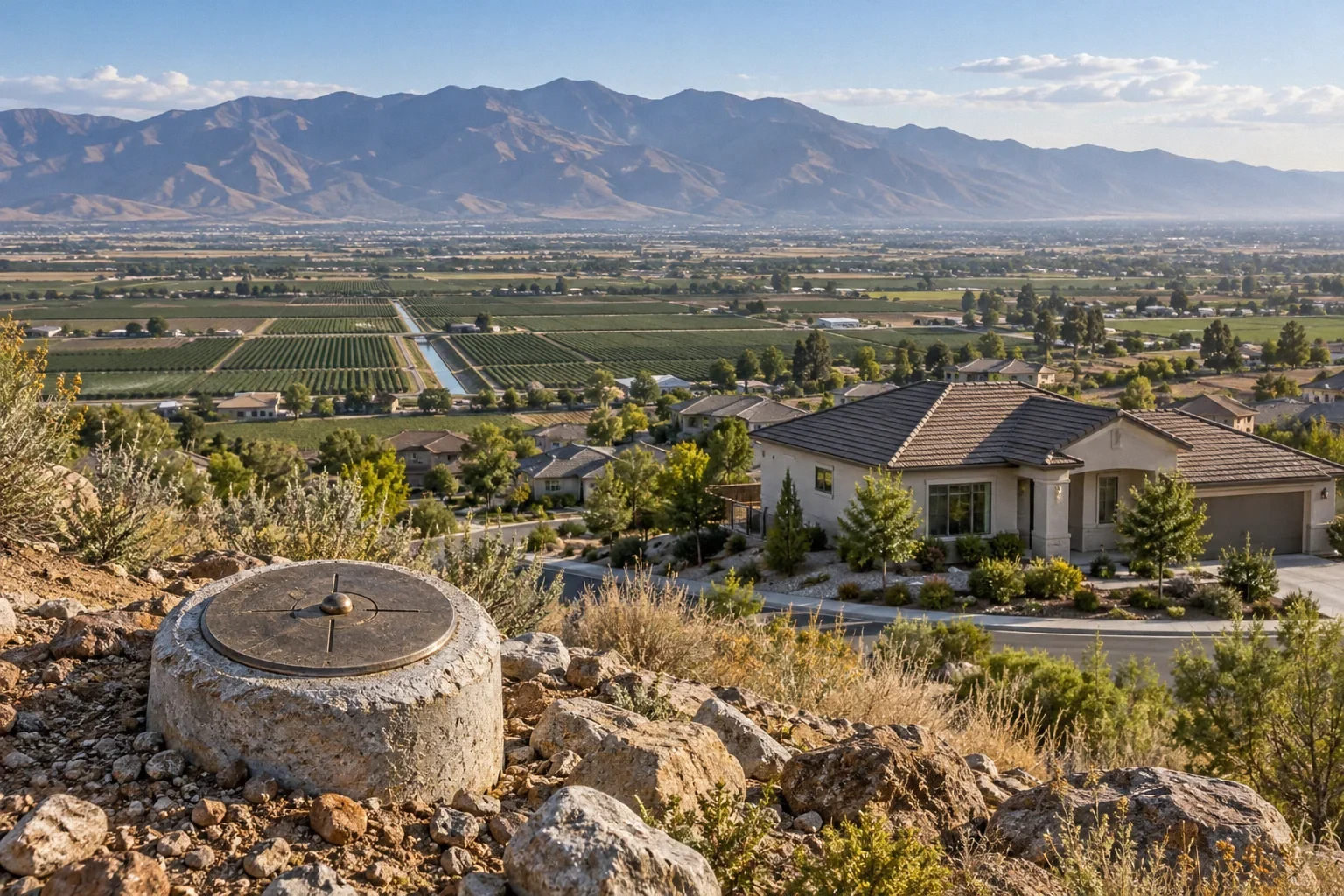
Read articleHillside cracks need context beyond the house. Learn which ground, water and utility observations help distinguish local support issues from slope movement.
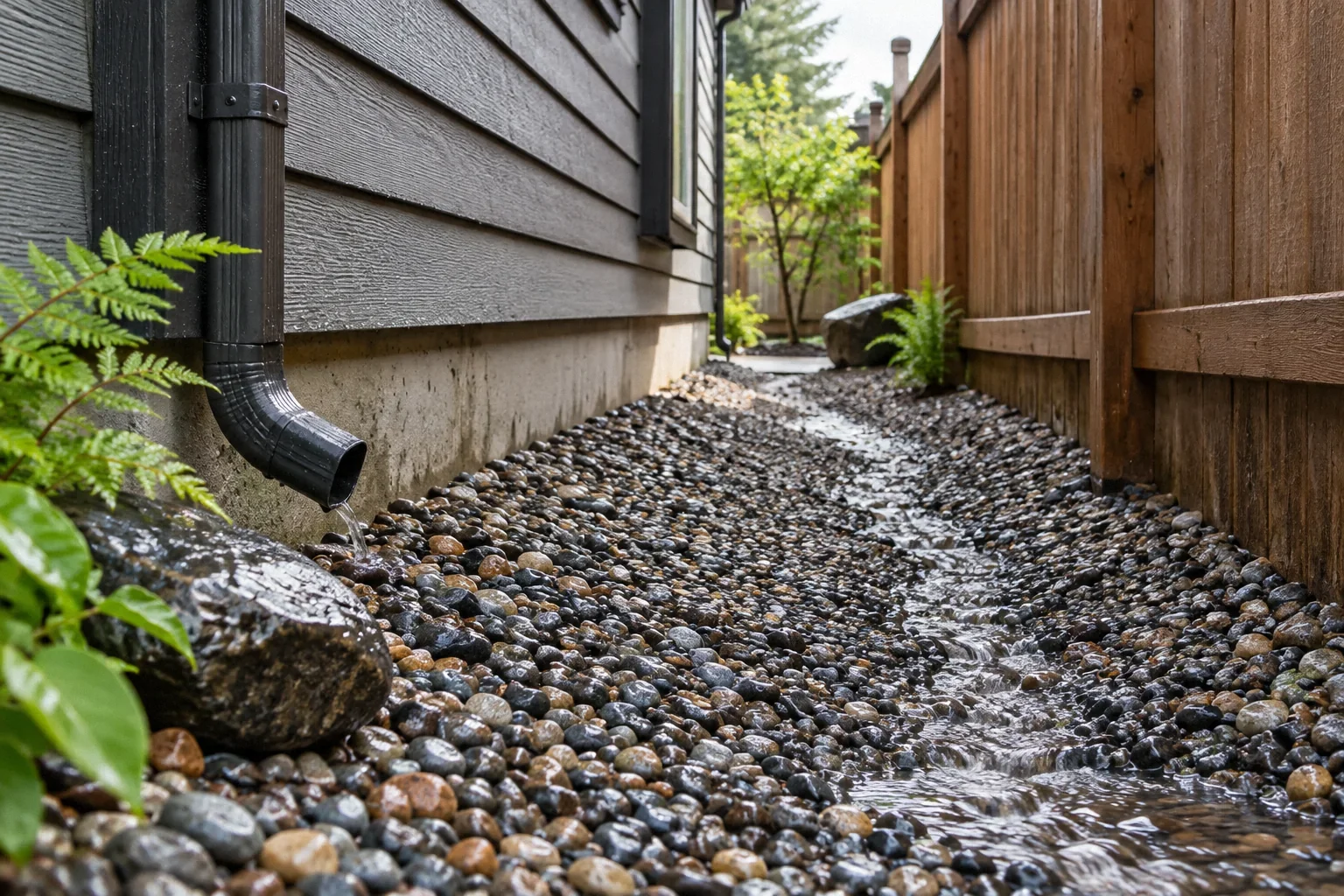
Read articleImprove foundation drainage without burying siding or ignoring a narrow yard. Start with existing levels, obstacles, water routes and a workable outlet.
Read articleA buried downspout is only useful if water reaches an appropriate outlet. Trace gutters, connections, blockages and overflow before blaming the foundation.
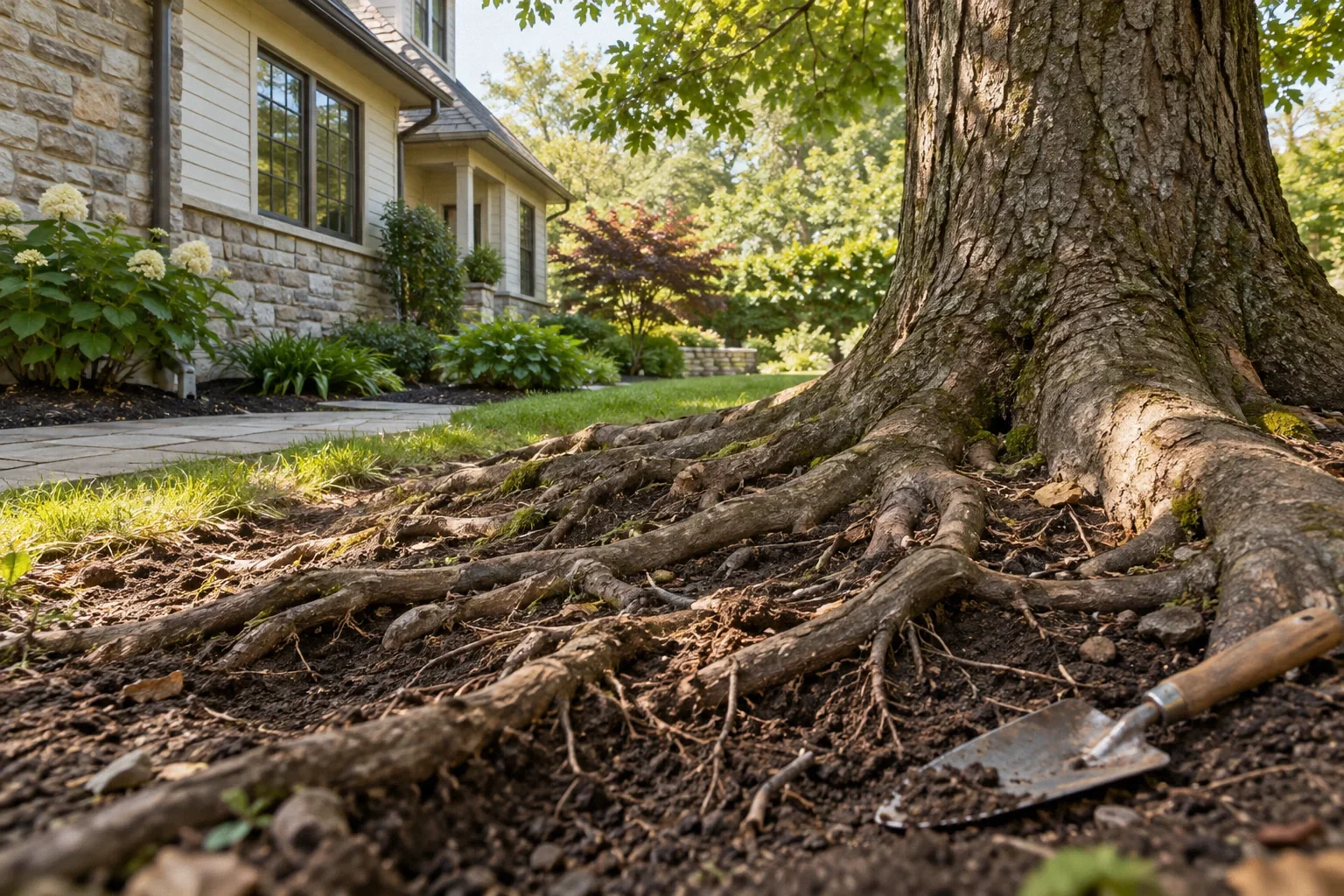
Read articleSeparate root contact, soil-moisture changes and tree stability before cutting roots or removing a tree near a foundation. Know which specialists can help.
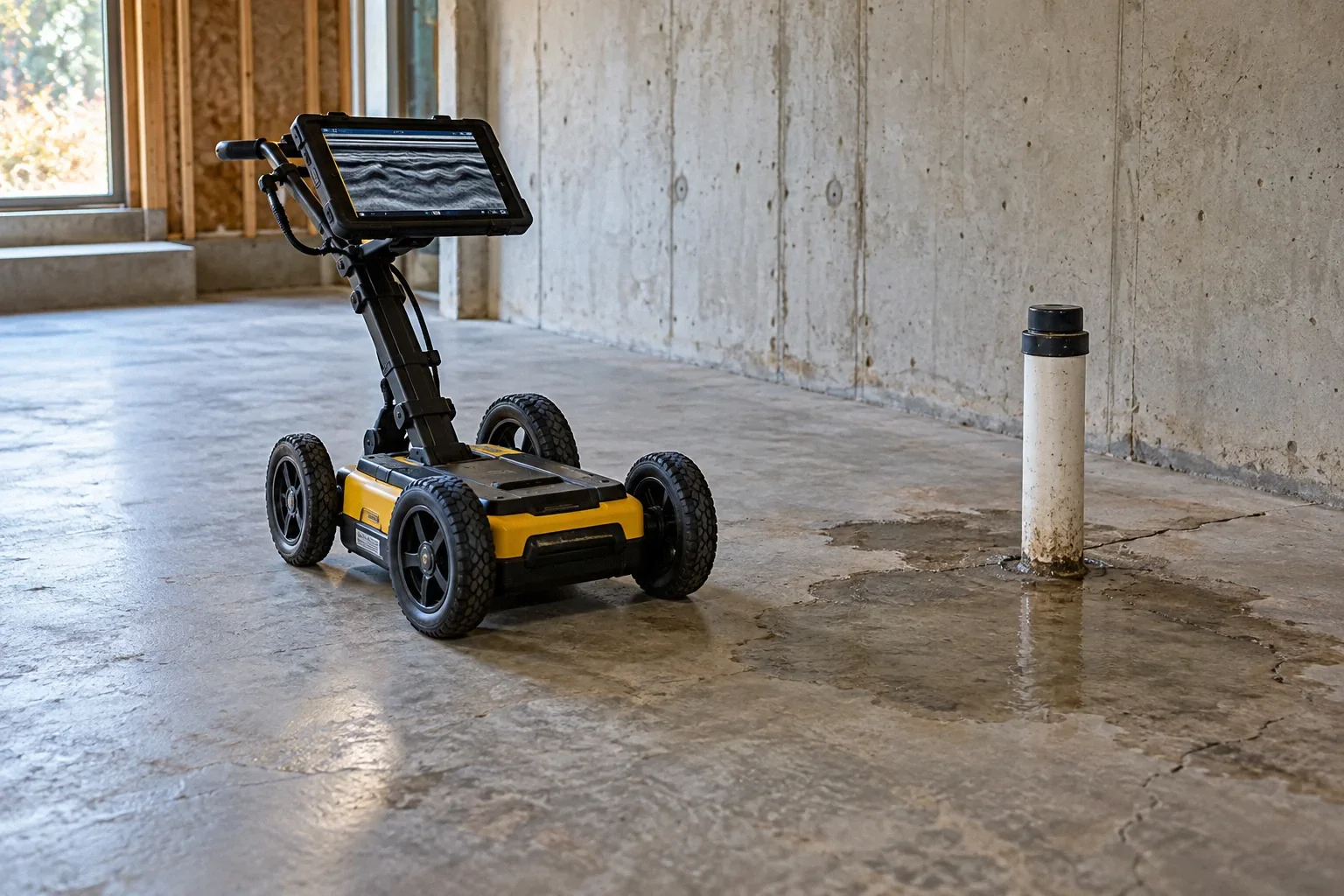
Read articleAfter a slab leak or plumbing tunnel, stopping water and restoring ground support are separate questions. Learn which records and symptoms guide investigation.
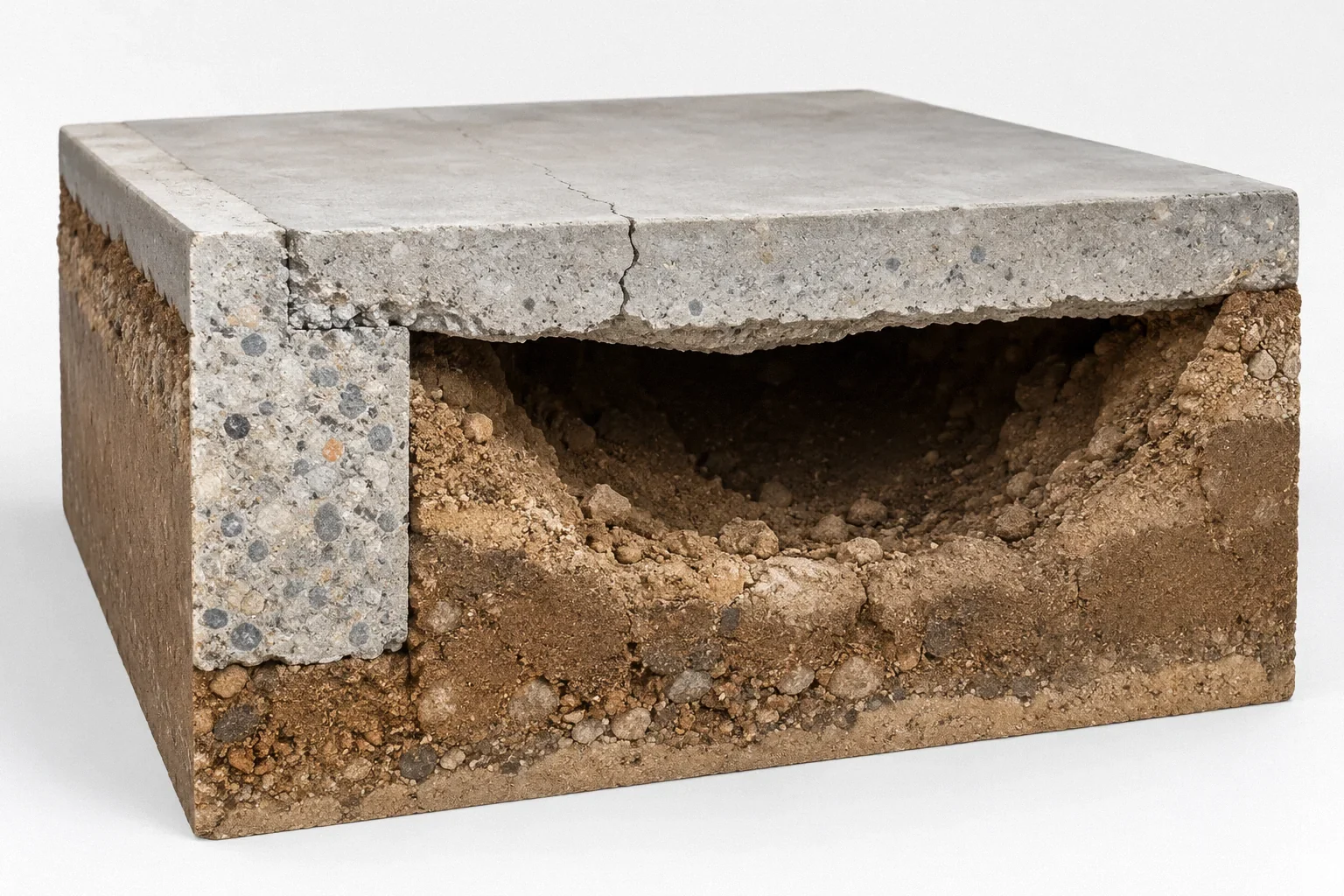
Read articleA void beneath a floor is not automatically a whole-foundation diagnosis. Identify the slab’s role, the missing support and the cause before selecting repairs.
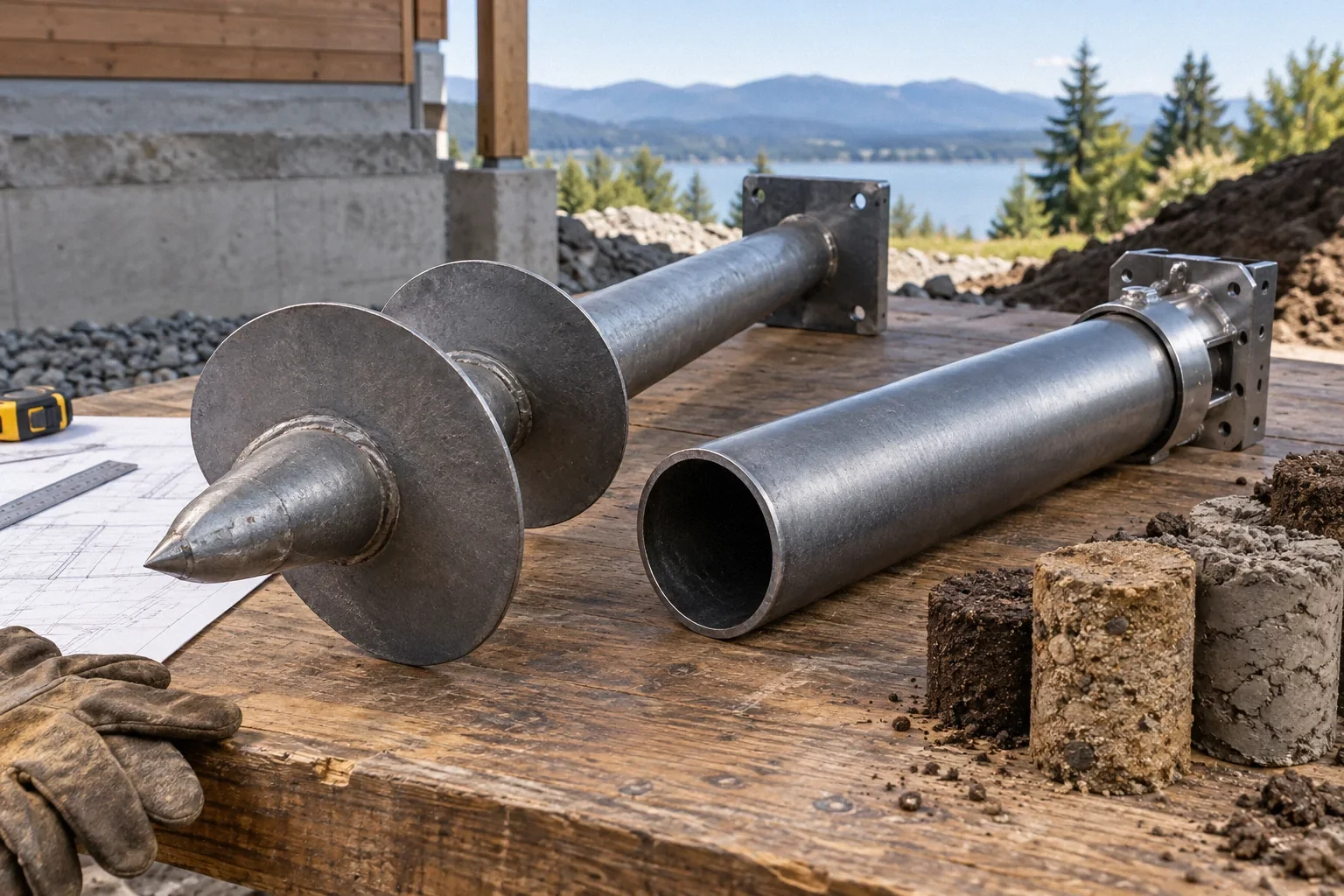
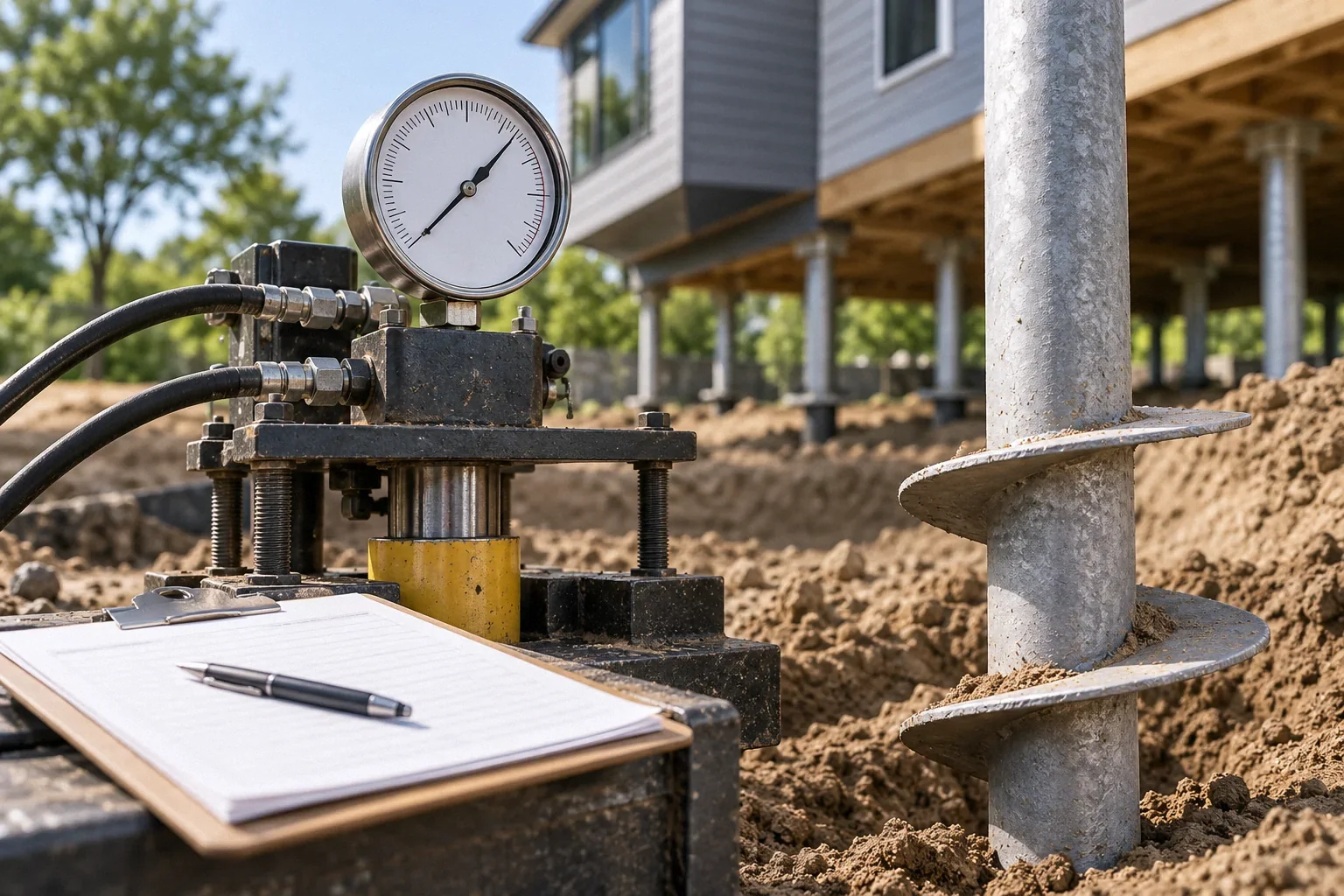
Read articleCompare helical and push piers through soil, footing condition, access and verification. A shared engineering question is more useful than a universal winner.
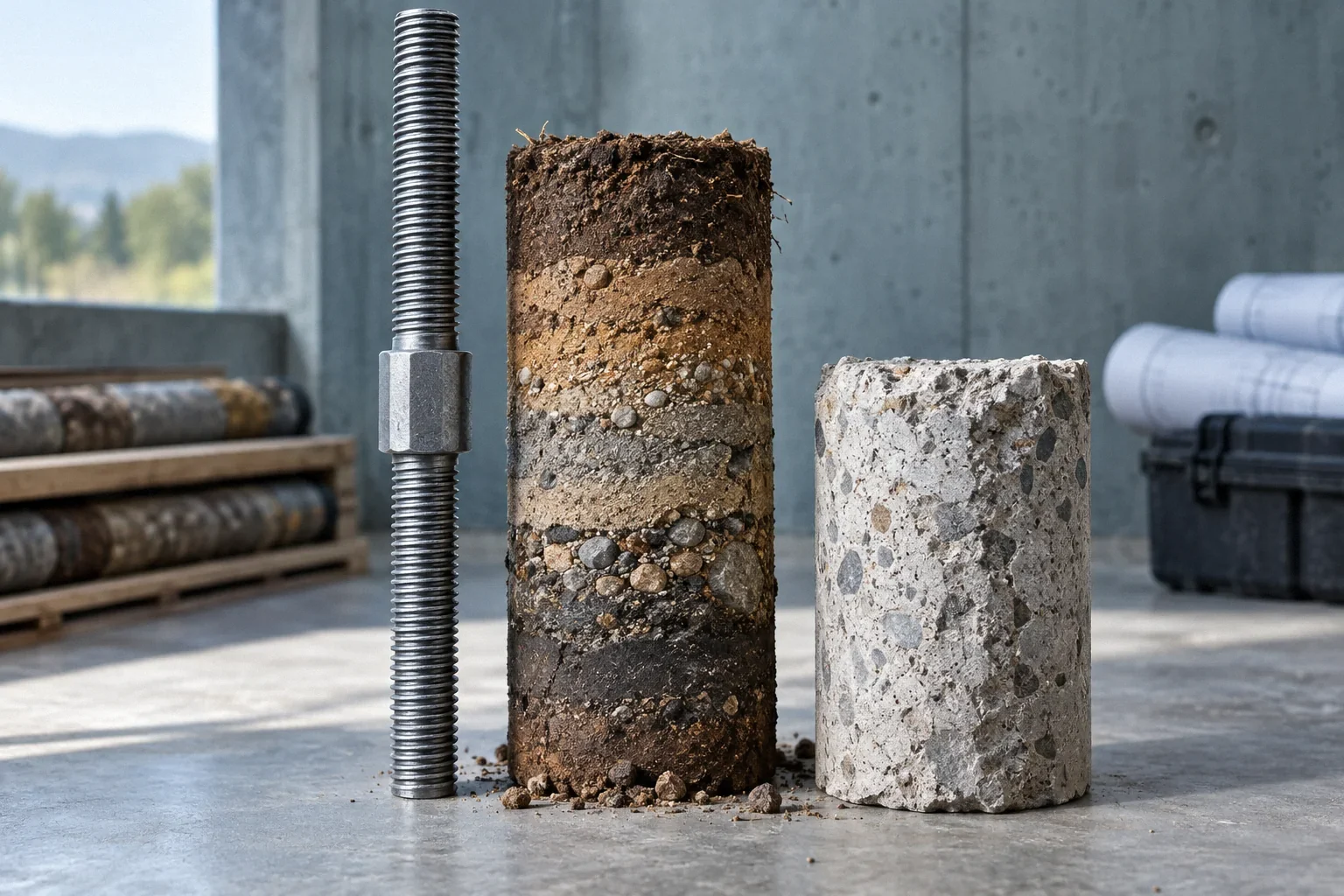
Read articleUnderstand why a foundation design may shift to micropiles, what the soil report contributes, and which connection and testing questions matter to a homeowner.
Read articleFoundation stabilization, elevation recovery and finish repairs are different outcomes. Define the intended result before expecting a repaired house to be level.
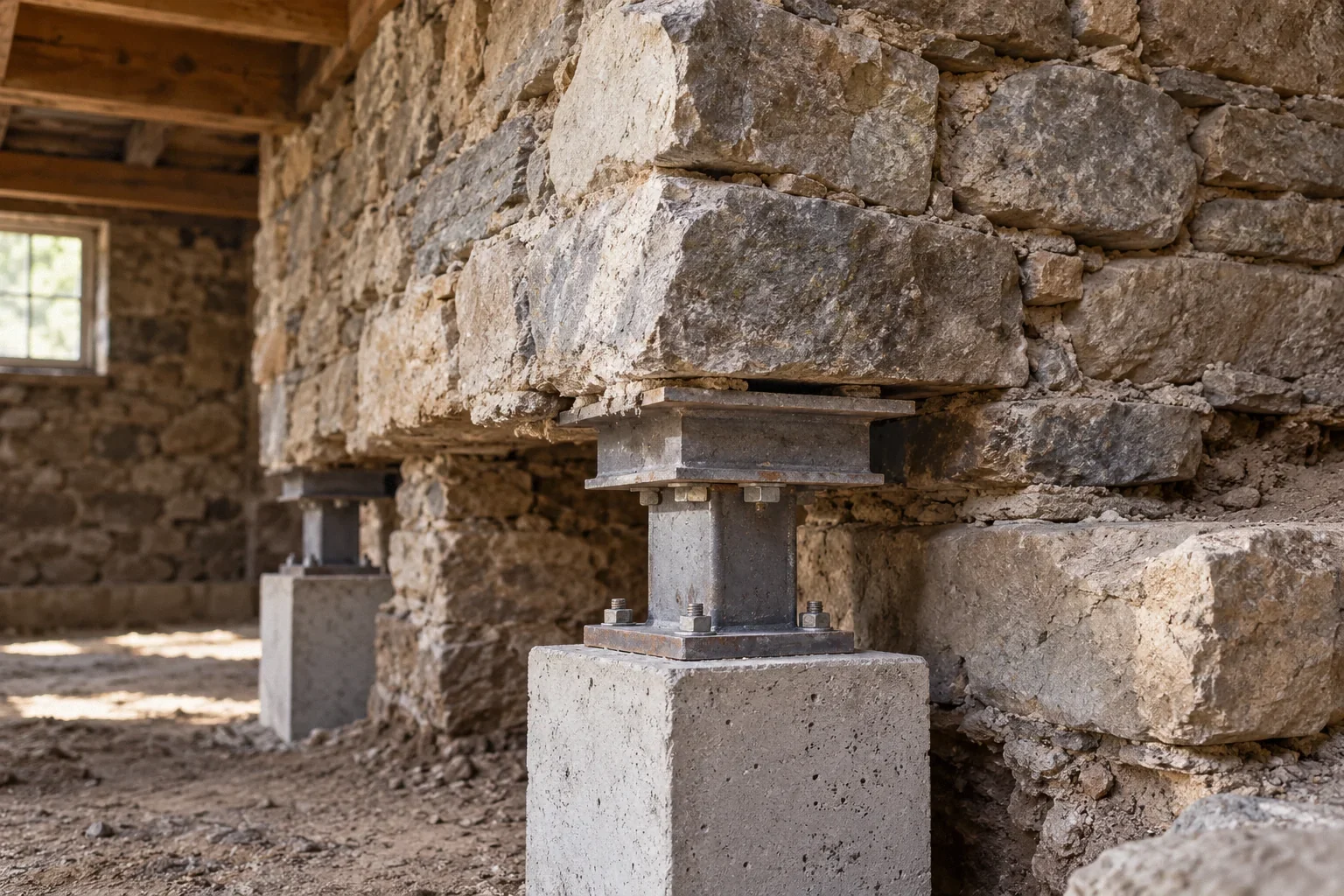
Read articleUnderpinning an old stone foundation requires a reliable connection between fragile existing masonry and new support. Learn what a standard pier sketch may miss.
Read articleInterpret helical-pier torque, depth and testing records in context. Learn which documentation connects the installed support to the actual design requirements.
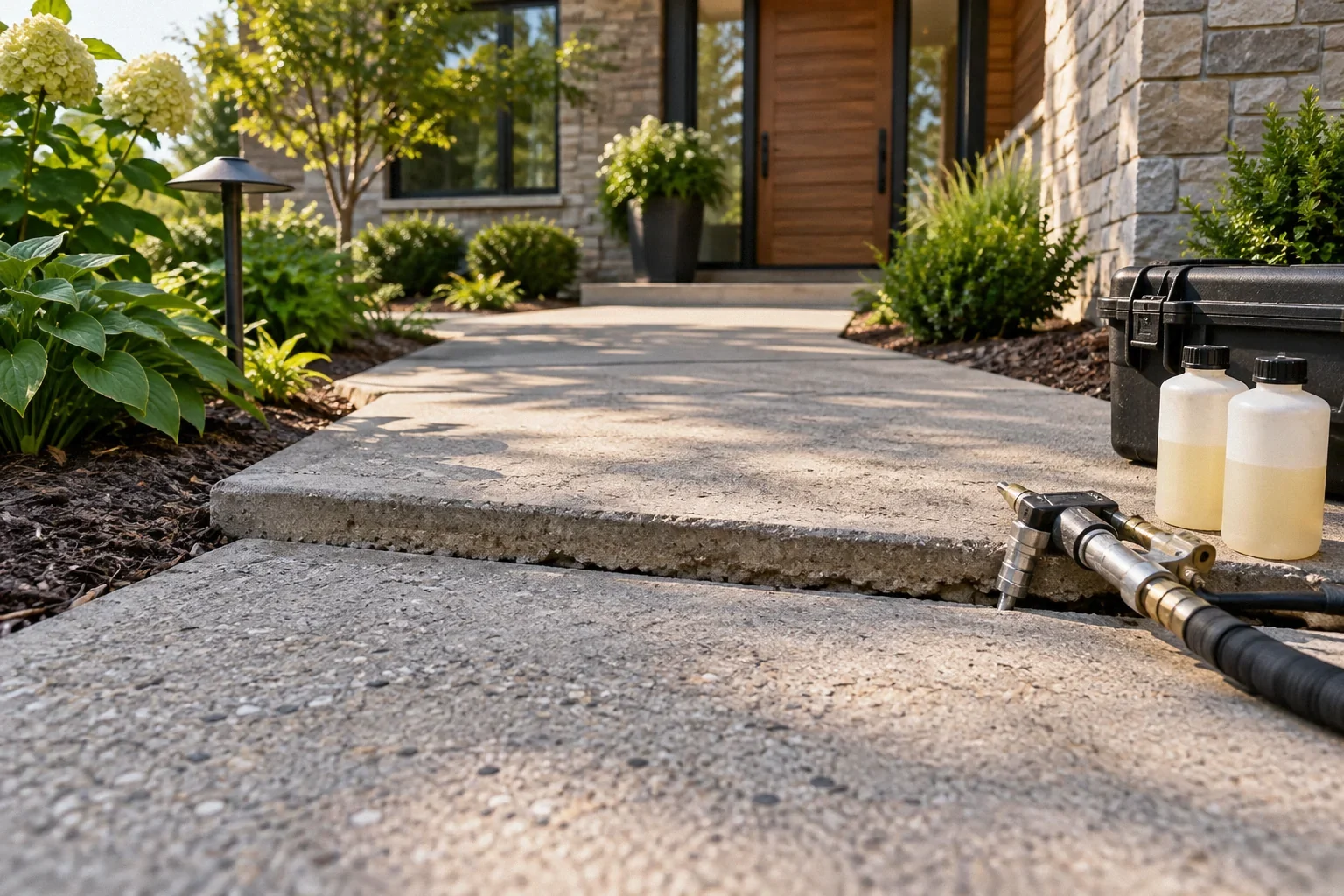
Read articleChoose between concrete lifting and replacement by checking the slab’s role, condition, support loss and drainage objective—not just the injection material.
Read articlePlan post-tensioned slab penetrations with records, appropriate locating and structural review. Exterior tendon marks alone do not establish safe drilling.
Read articleCompare epoxy and polyurethane crack repair by purpose: structural bonding, water sealing, continuing movement, and the evidence needed before choosing a product.
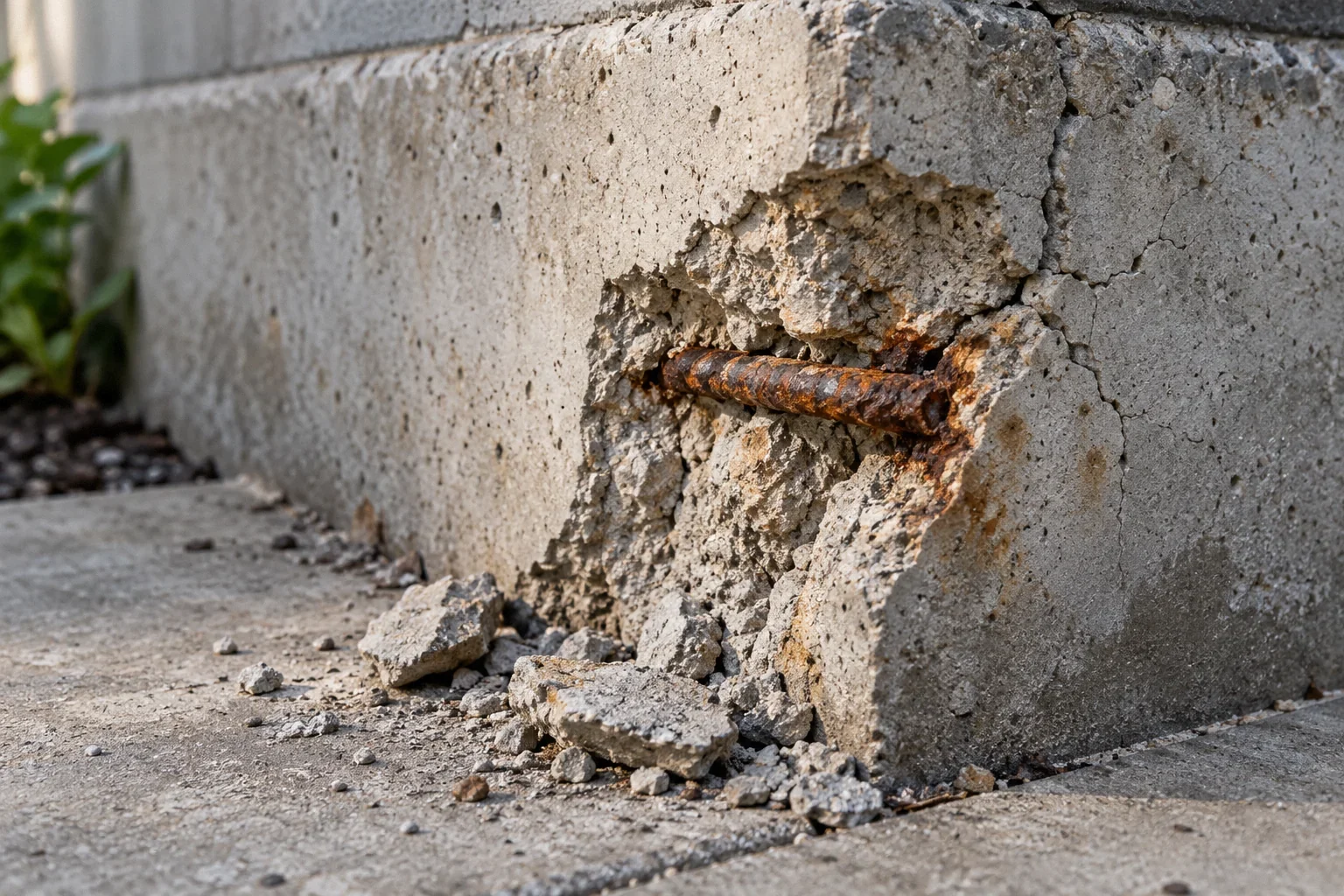
Read articleUnderstand foundation spalling, rusty reinforcement and concrete cover loss, including what an assessment should establish before a patch hides the damage.
Read articlePlan stone-foundation repointing around mortar compatibility, wall condition and moisture causes, with questions for sampling, mockups and repair records.
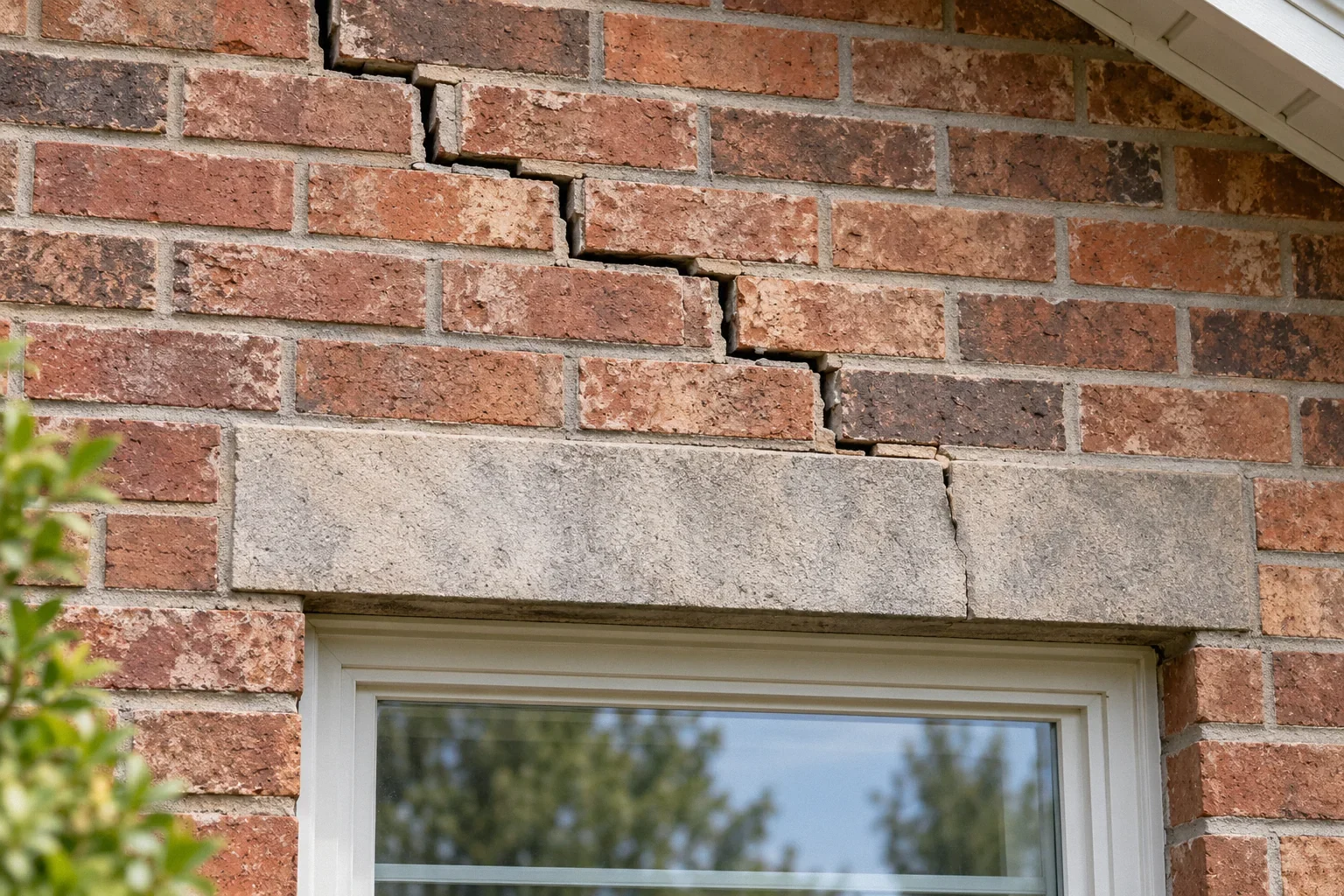
Read articleEvaluate brick veneer cracks by their location, timing and related symptoms, including lintels, material movement and the limits of blaming the foundation.
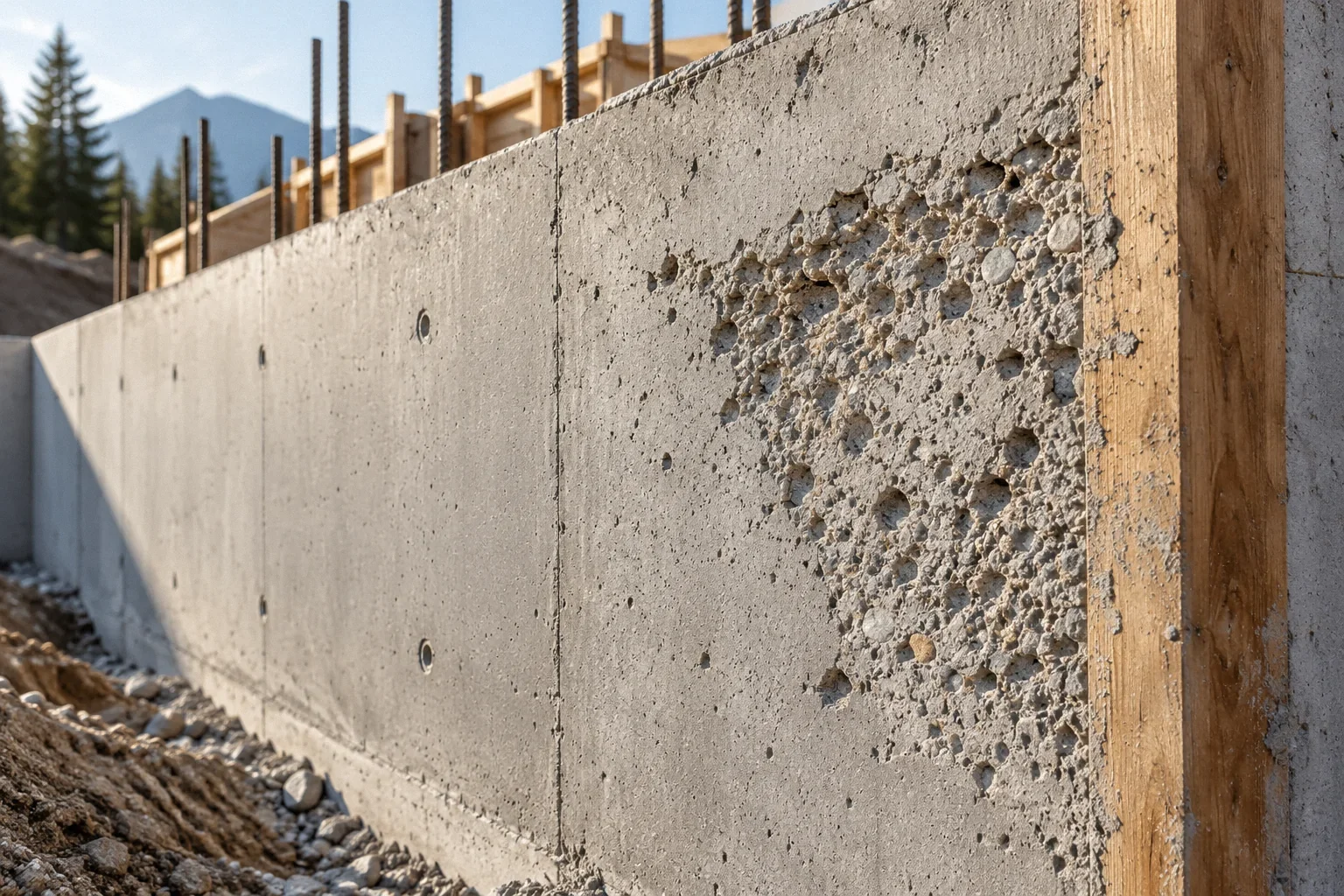
Read articleAssess new foundation cracks and honeycombing with construction records, defect mapping and targeted evaluation before patching or finishes hide useful evidence.
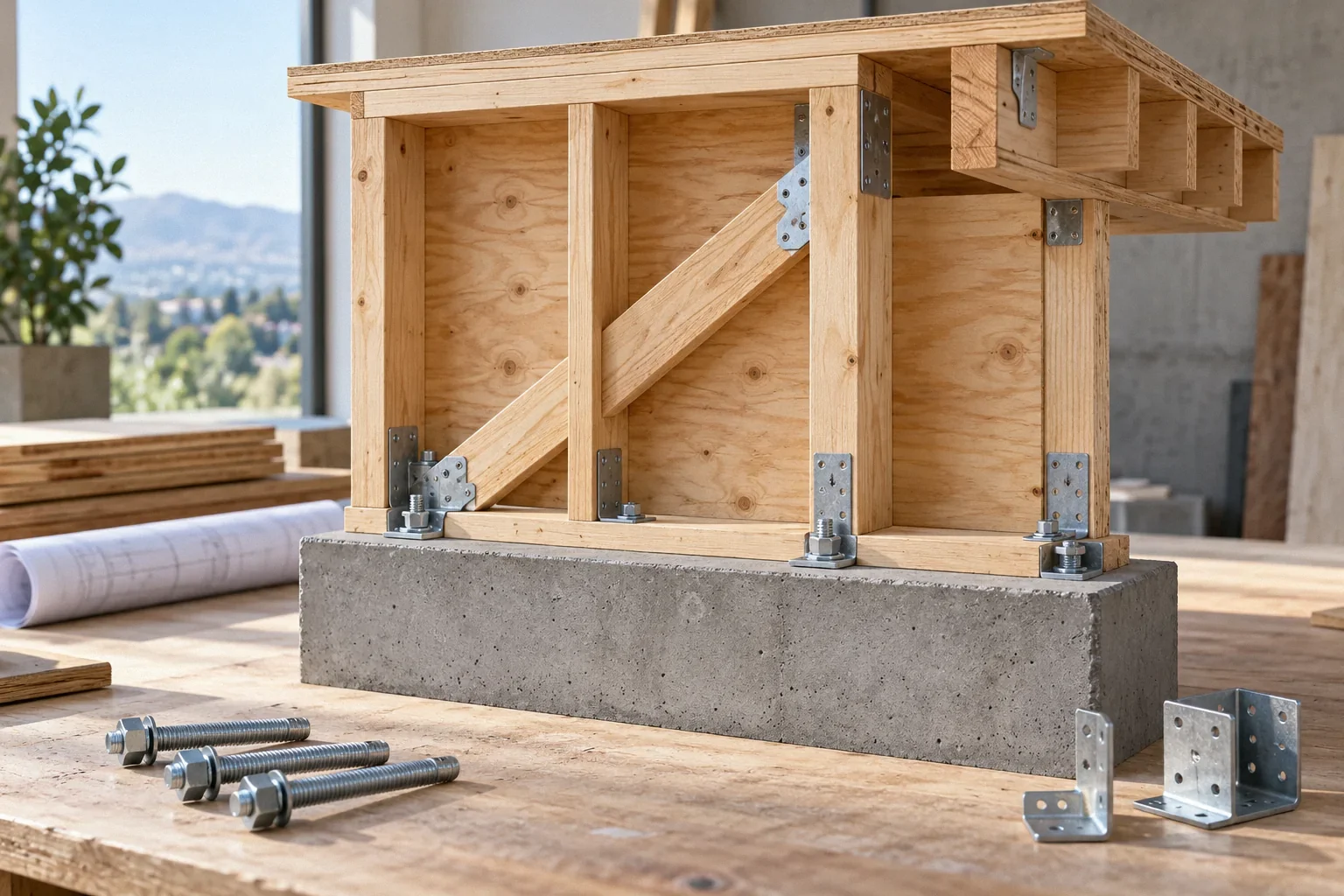
Read articleUnderstand how foundation bolts, cripple-wall bracing and floor connections work together, and what evidence a seismic retrofit assessment should provide.
Read articleExplore why rooms over a wide garage opening can need a different seismic assessment from routine foundation bolting, including framing and foundation demands.
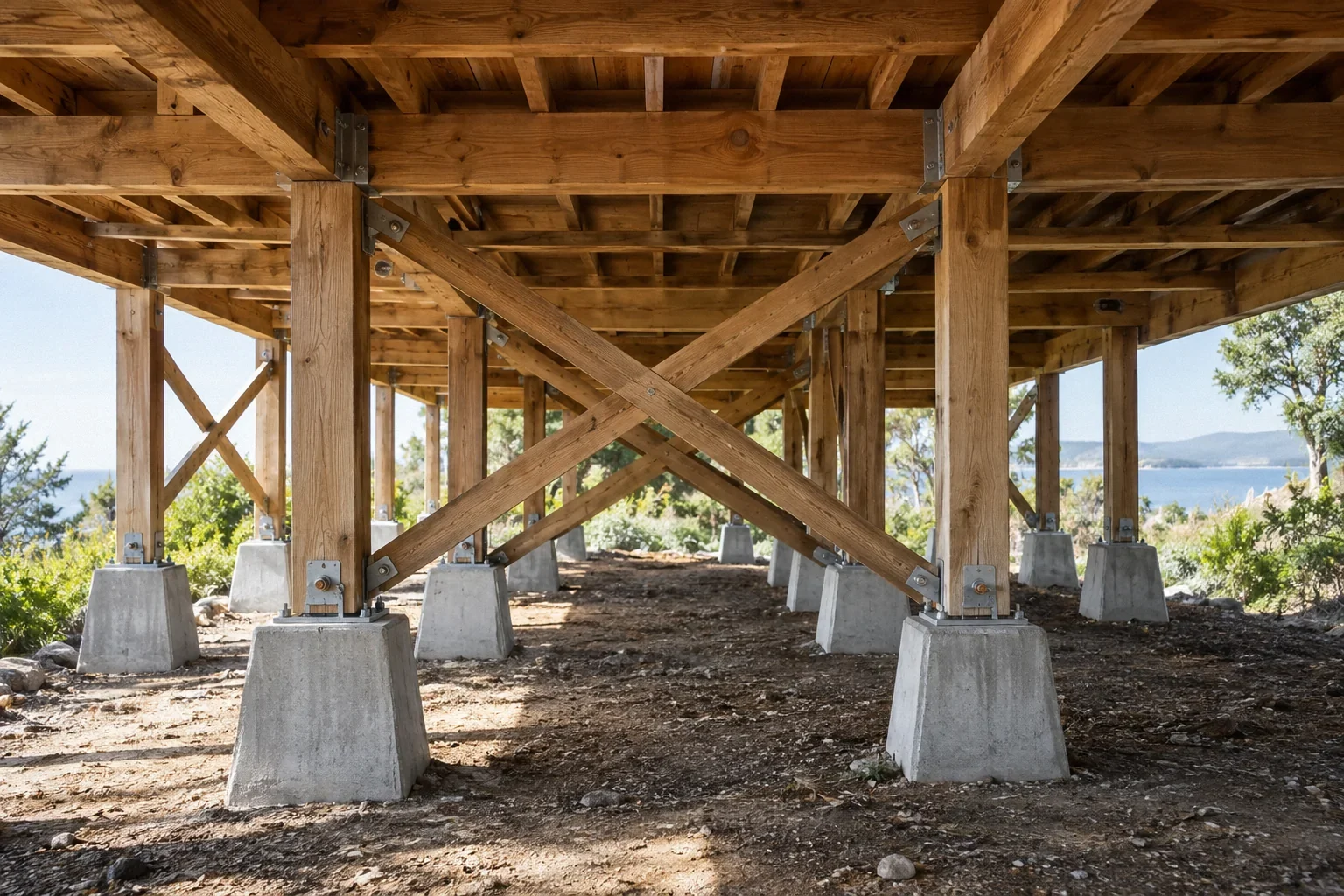
Read articleAssess post-and-pier houses by separating vertical support, earthquake resistance and connection continuity before choosing foundation or seismic repairs.
Read articleRead a foundation soil report by separating mapping, borings, laboratory results and recommendations, and learn why a neighbor’s report may not answer your question.
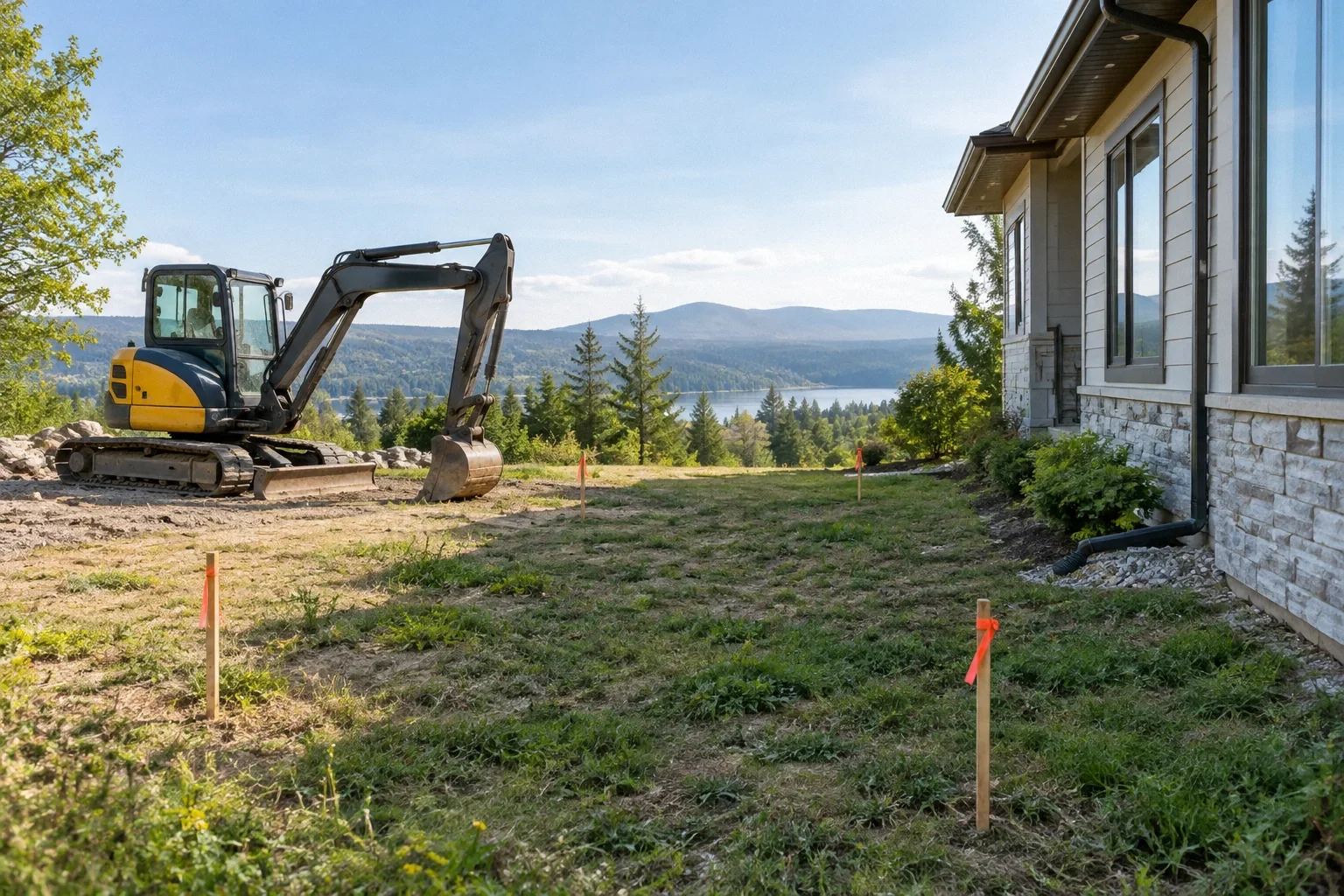
Read articlePlan excavation or backfill near a foundation around temporary support, utilities, roots and water paths, with questions to resolve before ground is disturbed.
Read articleGoogle Analytics is off. Enable optional page-view and contact-click measurement, or keep it off.
Privacy details